


Japanese tea ceremony has long been considered a unique and sophisticated art form, a renowned cultural feature of Japan. Besides the art of tea preparation, the space in which tea is enjoyed is also a crucial factor influencing the experience of tea enjoyment. The tea space is a symbol of purification, a highly refined environment. A person leaving the tea room will find their soul more at peace and their mind calmer than when they entered. In this article, Tây Âu Landscape will provide you with important information and unique aspects of the tea ceremony space.
An Overview of the History of Japanese Tea Ceremony
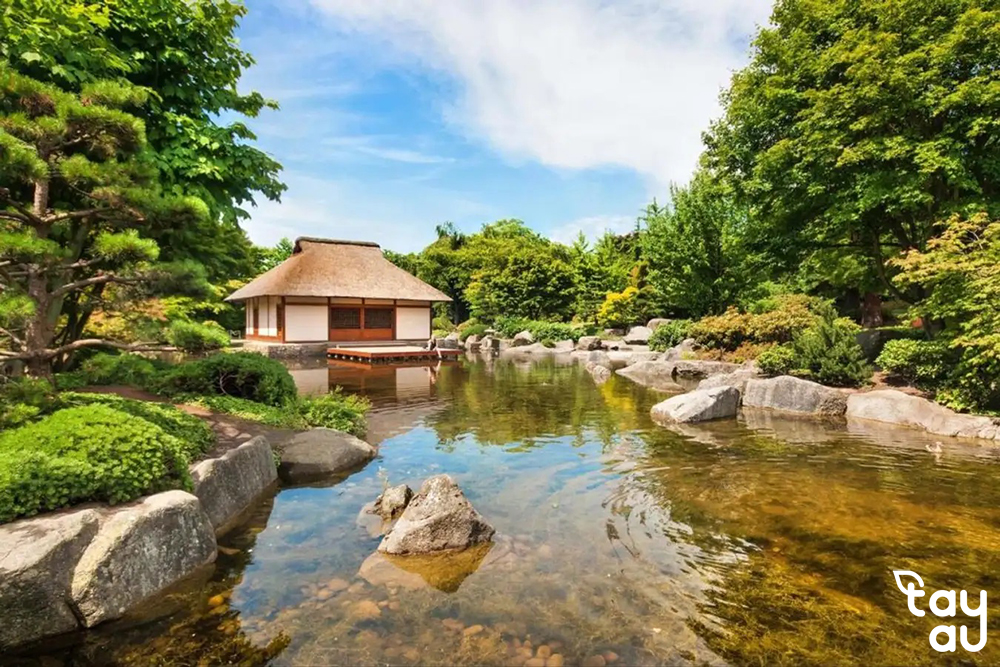
The tea room was developed based on the Sukiya style, created by the famous tea master – Sen no Rikyu. Profoundly influenced by the contemplative atmosphere of tea ceremonies led by Zen monks, he sought to recreate that atmosphere in his own tea gatherings. According to traditional Japanese culture, chashitsu is a type of architectural space specifically designed for gatherings.
In the past, tea ceremonies were usually held in rooms styled after Shoin, an architectural style reserved for samurai and the aristocracy. Over the course of history, through periods of war and peace, many Zen monks, samurai, and merchants sought to explore the tea ceremony as a way to find tranquility and peace of mind.
What is a Tea Room?
A tea room is a space specifically built for the enjoyment of tea. In this room, one will generally experience quietness, serenity, and solitude. Depending on the surrounding scenery, it may guide your mood towards peacefulness or a subtle sense of loneliness. Typically, the room is designed simply, blending into a peaceful, natural garden setting with trees and minimal decorations to foster a tranquil atmosphere. Additionally, the interior of the “tea room” is similarly quiet, with straw mats, wooden tables, sliding doors made of wood or bamboo, calligraphy paintings, bamboo blinds, and a tea set.
What is a Tea Garden?
A tea garden surrounds the tea room. Besides the trees, the tea garden also includes objects like Tsukubai—a stone water basin, Tourou—a lantern that lights the path to the tea room in the evening, and Tobiishi—large stepping stones placed on the path in the tea garden.
Typically, before entering the tea room for the ceremony, guests will cleanse themselves by using water from the Tsukubai stone basin to wash their hands and mouth.
The Four Important Elements of Japanese Tea Ceremony
HARMONY: represents the harmony between people and nature, and between the tea artisan and the tea utensils.
RESPECT: is the respect between people. It encompasses gratitude for life and respect for everyone, regardless of rank, class, or status.
PURITY: refers to the tea artisan’s inner tranquility. It also signifies peace of mind, free from worry. When you master your emotions and act selflessly, your soul becomes pure.
TRANQUILITY: means solitude. It does not imply sadness but rather a sense of calmness, peacefulness, and quiet.

The Unique Features of Japanese Tea Ceremony
Tokonoma: Tokonoma is a traditional architectural feature. It is decorated in a simple and rustic manner, often combining calligraphy paintings or bonsai with decorative items like Japanese swords or fragrant wood boxes. Therefore, Tokonoma is considered the soul of the house, reflecting the humility and refinement of the Japanese people.
Chabana: Chabana, meaning “tea flowers,” is a form of floral arrangement. Although simple, it exudes elegance within the tea ceremony space. Delicate, light-colored flowers are placed in porcelain vases, reflecting the deep meaning of the host’s sincere hospitality toward the guest enjoying the tea.
Kakejiku: Kakejiku refers to the distinctive hanging scrolls commonly seen in a corner of the tea room. Sometimes, these might feature calligraphy with meaningful sayings, truths, or reminders. They may also display landscapes with birds and animals.
Tea Preparation: Before brewing tea, the tea utensils must be rinsed with boiling water to clean and warm them. Then, they are dried with a clean towel. During the tea-making process, attention must be paid to the amount of water, the type of tea, and the brewing method. Additionally, the water used for brewing should not be boiled but kept at a temperature of 80-90°C when poured into the teapot.
Tea Enjoyment: When enjoying tea, people typically refrain from wearing accessories, using perfume, dressing elaborately, or behaving vulgarly. Both men and women usually wear white socks and Kimono when partaking in tea. While drinking tea, you should use your left hand to gently lift the bottom of the tea cup with respect and focus entirely on the tea, avoiding glancing around. After drinking, whether the tea is finished or not, the guest should wipe the rim of the cup with their thumb and forefinger.

The Vietnamese Tea Tradition
Not only Japan, but Vietnam also has a longstanding tea-drinking culture that spans throughout its history. In the past, drinking tea was a symbol of noble and refined living, a reflection of the virtuous nature of intellectuals. However, today, tea drinking is a popular activity that anyone can enjoy. In Vietnam, tea drinking does not demand as many strict rituals as in Japan. Vietnamese people drink tea in a natural and carefree manner, focusing on the brewing process and the flavor, making tea consumption more enjoyable and meaningful.
Vietnamese people often use tea to calm the mind, to find peace, and to engage in deep conversations with friends over poetry and stories. There’s nothing overly sophisticated about it; Vietnamese drink tea to find companionship and to add flavor and meaning to life.
When discussing tea brewing in the ancient royal court, it was a meticulous process, with tea brewed using dew collected from lotus petals. In contrast, in common folk culture, tea was often brewed with rainwater, which made the tea taste purer and sweeter. These traditional methods have been preserved to this day, each with its own unique charm.
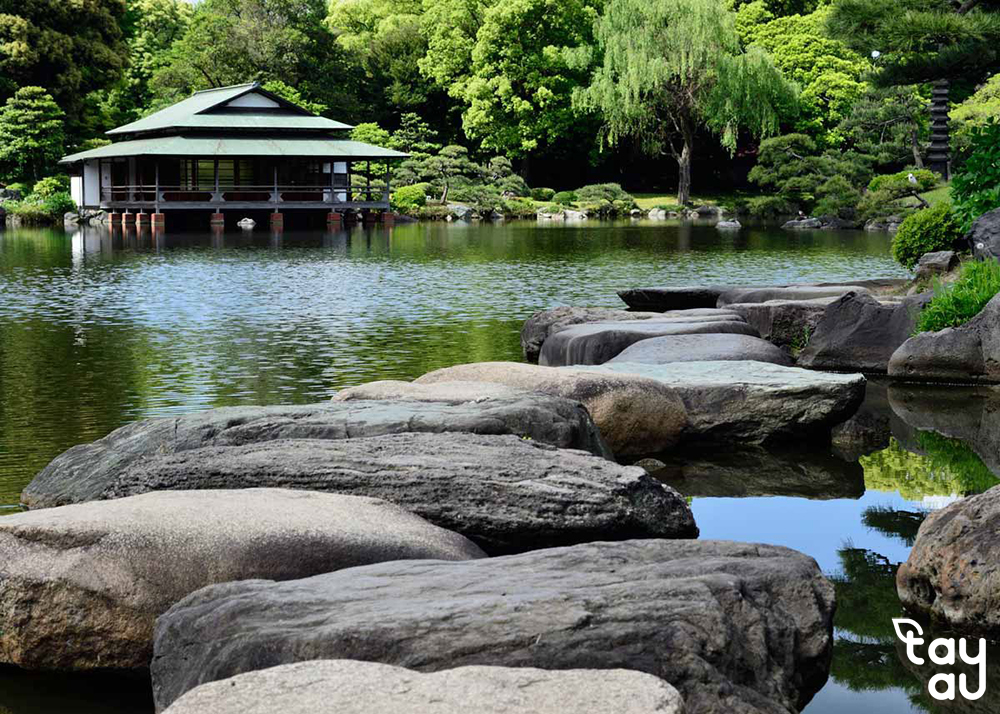
Through this article, we hope to provide you with a deeper understanding of the tea room. A tea room can carry the architectural influences of Japan or China, but you can also personalize it according to your preferences and purpose. If you have any questions, feel free to contact Tây Âu Landscape for advice!








