


If you own a rooftop space, it means you can create a beautiful and attractive garden corner for chatting and dining outdoors. With the rapid pace of urbanization today, high-rise buildings are gradually taking over and replacing garden-style houses, so you should make your living space greener. Therefore, if you currently have a rooftop space, make sure to take advantage of it, as it is spacious, airy, and filled with sunlight—ideal conditions for creating a green and cool environment. This will help your life become closer and more harmonious with nature through the unique and appealing rooftop garden designs we introduce.
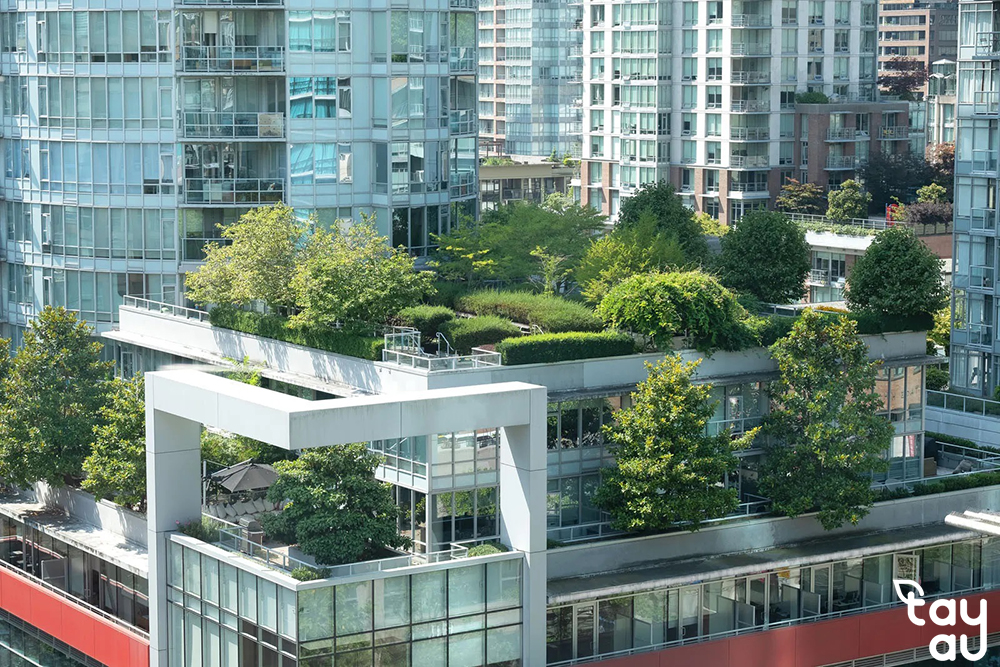
What is a rooftop garden?
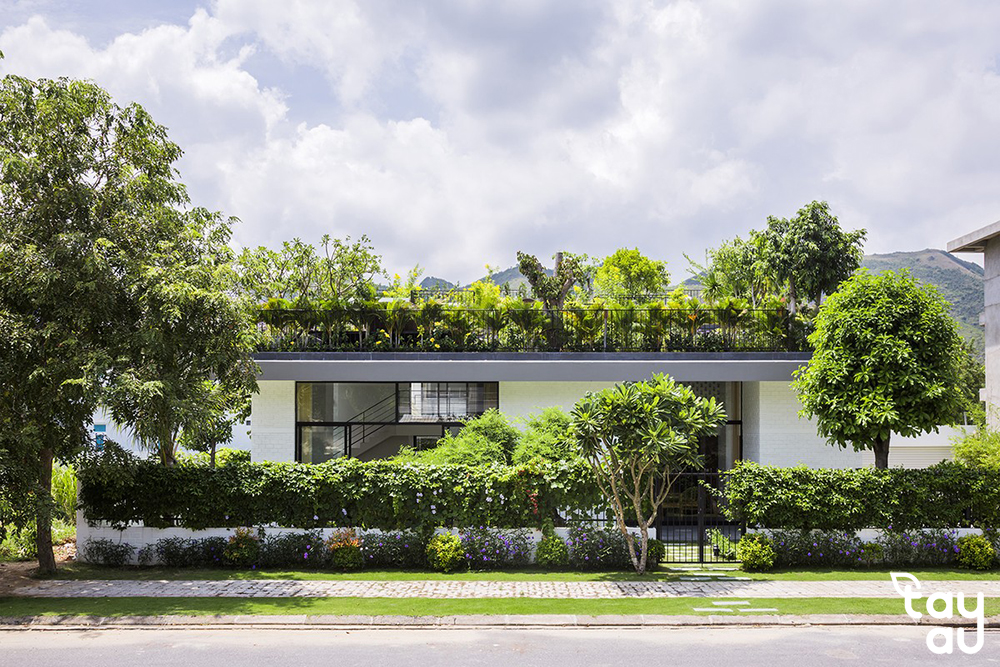
Simply put, a rooftop garden is an ecological architecture located on the roof of a house or on the terrace. Rooftop gardens can be designed for various purposes, such as improving the living environment, providing shade and planting trees to reduce the impact of sunlight, creating a green living space, promoting sustainable living, providing fresh and clean food, and enhancing the aesthetic value of the house. In addition, it can create spaces for recreation and relaxation.
Advantages and disadvantages of rooftop gardens
Advantages
- If you plant many green trees, they will help cool the house and protect the structure of the roof. In Vietnam, the climate is always hot and humid with a lot of rain. Therefore, the vegetation cultivated on the roof or terrace will be an extremely effective solution for heat insulation, helping to cool the spaces below, effectively blocking heat radiation and reducing the phenomenon of concrete ceiling shrinkage.
- Helps purify the air. Green plants help clean and filter out harmful gases, such as emissions from basic human activities.
- Helps reduce noise. Green plants act as a sound barrier, blocking noise effectively, much better than walls made of brick and ordinary concrete.
- Can create a green space that is very effective for relaxation.
- Provides safe and hygienic food sources for your family.
- Helps reduce urban drainage pressure.
Disadvantages
- However, if you do not research planting methods, construction techniques, and how to implement them properly, it may sometimes become a space that causes water accumulation. Additionally, if the waterproof ceiling is not guaranteed, it will leak, causing cracks, mold, water leakage, and even causing leaks.
- You need to pay attention to the resources and construction materials, as it can be quite costly in terms of money and effort. Moreover, it can also put pressure on the house, and if construction is not done safely, it may pose dangers to you and those around you.
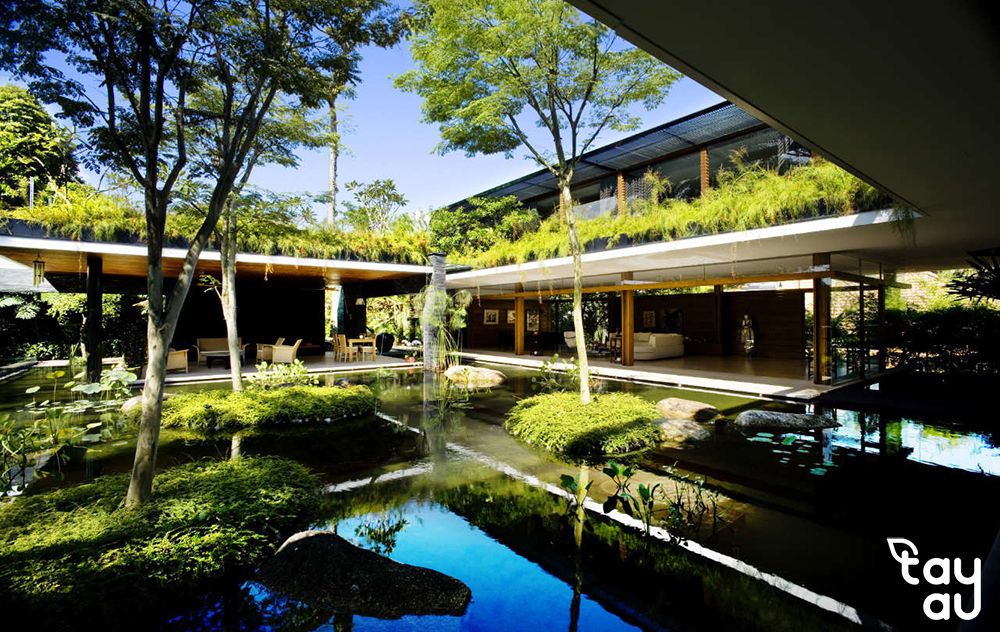
Introducing Some Beautiful Rooftop Garden Design Samples
Rooftop Vegetable Garden Design
With this green vegetable garden design solution on the roof, you can be completely assured of the food safety provided for your family. The vegetable beds you plant and care for yourself will meet the safety standards you desire and will also provide nutrition and improve family meals.

Rooftop Design with Greenery and Benches
If you feel too bored, stuffy, or tired from work and the hustle and bustle of life, then you definitely need a place that offers enough quietness, openness, and comfort to relax, right? Here, we recommend that you choose a rooftop design combining tall green trees with resting benches nearby for effective relaxation and entertainment.
Western Classic Style Rooftop Garden Design
If you are someone who loves flowers and prefers the classic garden style of the Western lands, then this suggestion is for you. At this point, you only need to choose the types of flowers you want to plant and decorate the garden with a few classic and luxurious items to complete the elements of a classic-style garden.
Entertainment Garden Design
It would be wonderful if you designed an entertainment area right on your rooftop. Here, you can freely organize gatherings, have fun, and sing right on your rooftop. This garden design will feature a layer of artificial grass to avoid spending too much time on construction and installation, making it easy to care for and maintain the garden. Additionally, you can arrange some tables and chairs, place a few flower pots and small ornamental plants, install a canopy, and colorful LED lights to decorate the garden, allowing you to enjoy entertainment with family members every evening.
Things to Consider Before Designing and Constructing a Rooftop Garden
Establish Purpose and Create a Specific Plan
Establishing a specific and detailed plan will help you estimate the costs of designing and constructing the rooftop garden.
Confirm the Load-Bearing Capacity of the Roof
This is very necessary and important, so homeowners should carefully consult with architects to understand the load-bearing capacity of the roof. From there, you can choose suitable materials and design styles.
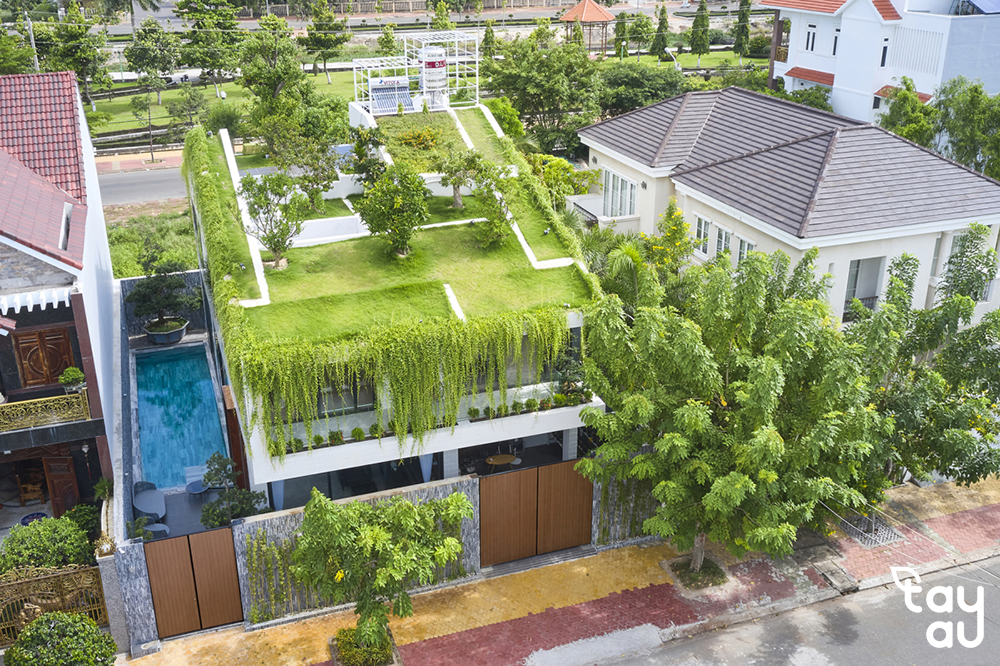
Establish an Effective Waterproof Layer
Rooftops are areas that are frequently exposed to rainwater and irrigation water when planting. At this point, water will seep into the soil and the rooftop floor, causing negative effects; therefore, you need to plan for effective waterproofing to avoid water seepage that can damage the house.
Consider Sunlight and Wind on the Rooftop
You need to determine the level of sunlight and wind on the rooftop to ensure that the plants can photosynthesize well. If the intensity of sunlight and wind is too strong, you should set up shade on the sides so that the plants and the rooftop space can achieve the highest compatibility.
Select Suitable Plants
For all landscape spaces, there needs to be harmony between the types of plants and the rooftop landscape. If you choose large or woody plants, it will increase the load on the house, causing negative impacts. Therefore, you should only select medium and small, lightweight plants, and choose varieties that have slow growth, can withstand drought well, and have low height. Avoid choosing plants with taproot systems, as their roots can sometimes penetrate deeply over time, leading to damage to the building’s structure.
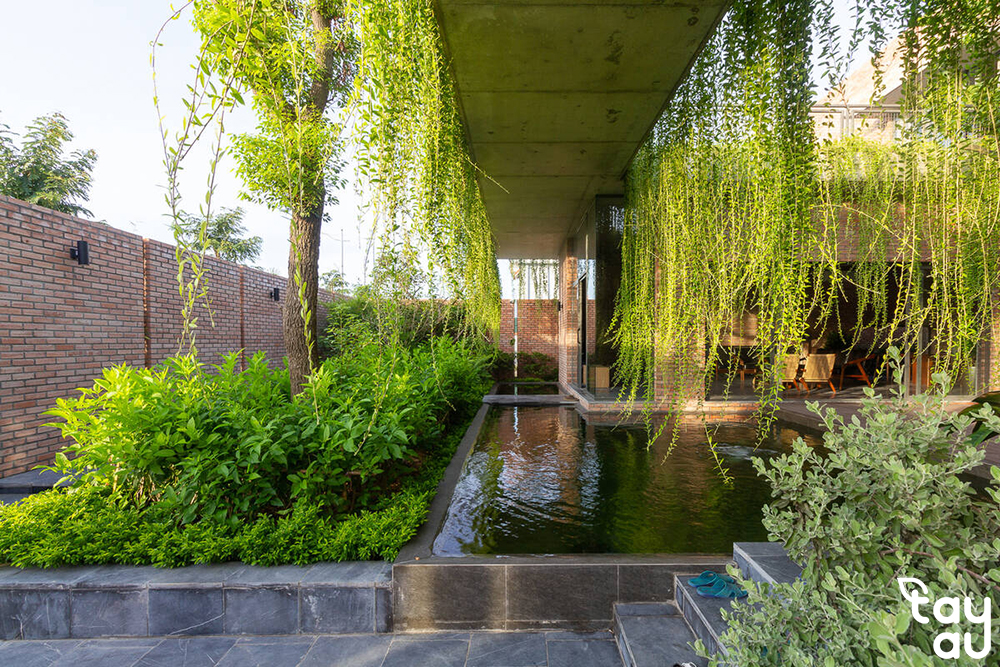
Reasonable Drainage and Water Pipe Network
This is one of the most important factors to help make the garden design perfect. Therefore, when installing the water pipe system, it must be precise and ensure good quality. A stable water pipe system will create favorable conditions for good garden care, allowing plants to grow well, steadily, and sustainably. Good drainage and waterproofing will help the house avoid dampness and mold.
Feng Shui Value
Rooftops and roofs are areas that receive a lot of sunlight, resulting in a strong positive energy and weak negative energy. Therefore, when designing and arranging, you need to ensure a balance of feng shui for the house. Note:
- Do not let the plants wither or die due to neglect in care.
- Avoid letting the rooftop garden become too dense and overgrown.
Processes for Constructing Rooftop or Terrace Gardens
When constructing a terrace or rooftop garden, many different factors are required, such as location, materials, drawings, and various designs. It demands numerous technical requirements and stricter aesthetic considerations. Below, we will introduce the standard processes to apply in the construction of these projects.
Stage 1: Prepare Materials Before Construction and Clean the Site
To create a green garden on the terrace, you need to invest in specialized equipment such as landscape fabric, drainage grids, covering membranes, waterproof paint, soil, and sand.
Next, you need to thoroughly clean the site before construction so that the work can be done perfectly.
Stage 2: Waterproofing the Concrete Floor
The main purpose of this process is to prevent water from seeping down through the concrete floor. This step is crucial as it determines the longevity and safety of the entire project. If it’s a newly constructed house, you just need to add another layer of PE (polyethylene).
Stage 3: Install the Water Collection and Drainage System
Use the previously prepared drainage grids and assemble them to cover the entire surface area of the terrace floor. For areas with bends and curves, you just need to cut and glue them together. To ensure optimal drainage, these grids need to be firmly connected, and you can use specialized adhesives to secure them.
Stage 4: Lay Down Landscape Fabric
You need to evenly cover the surface of the plastic grids with landscape fabric. It is advisable to use durable landscape fabric that is tear-resistant, water-permeable, and has good longevity. This step helps with water filtration and retains soil and sand, preventing clogging in the drainage system.
The landscape fabric should be pulled up and over the edges of the plastic grids. If you are planting large trees or tall plants, use thicker landscape fabric that can withstand higher tensile strength.
Stage 5: Apply a Layer of Sand
Next, in this process, you need to pour a layer of white sand. Depending on the scale and characteristics of the garden, you can apply a sand layer with a thickness of 5cm to 10cm. It is recommended to use clean, fine white sand that does not contain other impurities.
Stage 6: Planting for Rooftop Gardens
This is a very important step where you need to choose the types of plants and flowers that are suitable for the climate, your preferences, as well as your family’s care conditions and financial situation. If you have a previous design plan, you should purchase plants according to the dimensions specified in the design.
Stage 7: Decorating the Garden
You can enhance the beauty of the garden with items like a small statue, a lamp, or even items that provide entertainment and relaxation, such as a swing, lounge chair, or tea table. These choices will depend on personal needs and financial conditions. Additionally, you need to pay attention to the suitability of these items with the terrace space, ensuring that you do not disrupt the inherent harmony in the layout.
Important Tips for Caring for Rooftop Gardens
Prepare Gardening Tools
To easily, effectively, and quickly care for the garden, you need to invest in some basic and essential tools such as a spray bottle, watering can, pruning shears, and small spade or shovel. Moreover, taking care of the garden can also be an effective way to reduce stress and relieve tension.
Regularly Water and Fertilize the Plants
Water is essential for all types of plants. Additionally, fruit and vegetable plants require regular fertilization. Fertilizer provides the nutrients and sustenance necessary for healthy growth. However, you need to water and fertilize according to the specific needs and stages of each type of plant.
Pruning and Pest Control
To effectively prevent and control pests, and to avoid the intrusion of insects or pathogens from outside, you should prioritize natural methods, such as attracting beneficial insects or using compounds that repel pests. During the planting process, if the plants grow too quickly or too robustly, you need to prune branches and leaves to maintain the aesthetic quality of the garden. Especially during the rainy season with strong winds, you must secure branches, cut off weak ones, and place plants in sheltered areas.
Through the above article, we believe you have gained more knowledge about designing rooftop gardens, as well as tips and effective methods for planting and caring for plants. If you have any further questions, please contact Tây Âu Landscape for immediate advice!








