


In recent years, skylights have become one of the popular interior design trends, especially in modern townhouses and villas. Not only are they an aesthetic feature, but skylights also offer many practical benefits for daily family life. The following article will provide a detailed analysis of the benefits of skylights, helping you understand their role in enhancing the quality of living space.
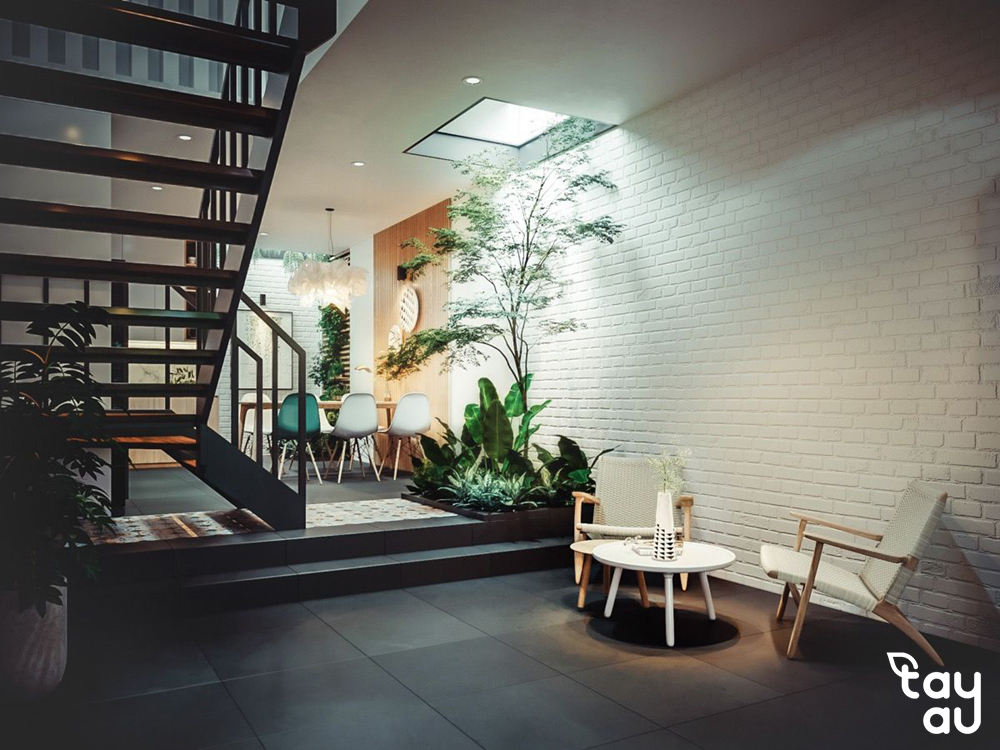
What is a Skylight?
A skylight is an open space from the roof down to the lowest floor, designed to bring natural light and air into the interior of the house. With this structure, skylights are often used to enhance natural light, ventilation, and to create a focal point in the interior space. Skylights can be designed in various shapes and sizes, suitable for different types of buildings and homeowner needs.
The Benefits of Skylights for the Home
Skylights are not just a decorative element but also provide several important benefits for the home. Here are the benefits of skylights in design and daily living.
Providing Natural Light
One of the benefits of skylights is their ability to provide natural light to the interior spaces of the house. Natural light not only helps save on electricity but also creates a sense of spaciousness and airiness in the home. For townhouses or apartments with small areas, utilizing skylights to bring in natural light is an ideal solution to eliminate the feeling of cramped and stuffy spaces. Natural light from skylights also improves the health of family members. Sunlight is a natural source of vitamin D, which strengthens bones and boosts the immune system.
Enhancing Natural Ventilation
Natural ventilation is a crucial factor in maintaining fresh and cool air in the home. Skylights act as a natural ventilation duct, allowing air to circulate in and out of the house. Particularly on hot summer days, skylights help reduce the indoor temperature, providing a cooler and more comfortable environment. The natural ventilation capability of skylights also helps reduce humidity, preventing the growth of mold and bacteria.
Creating an Aesthetic Focal Point
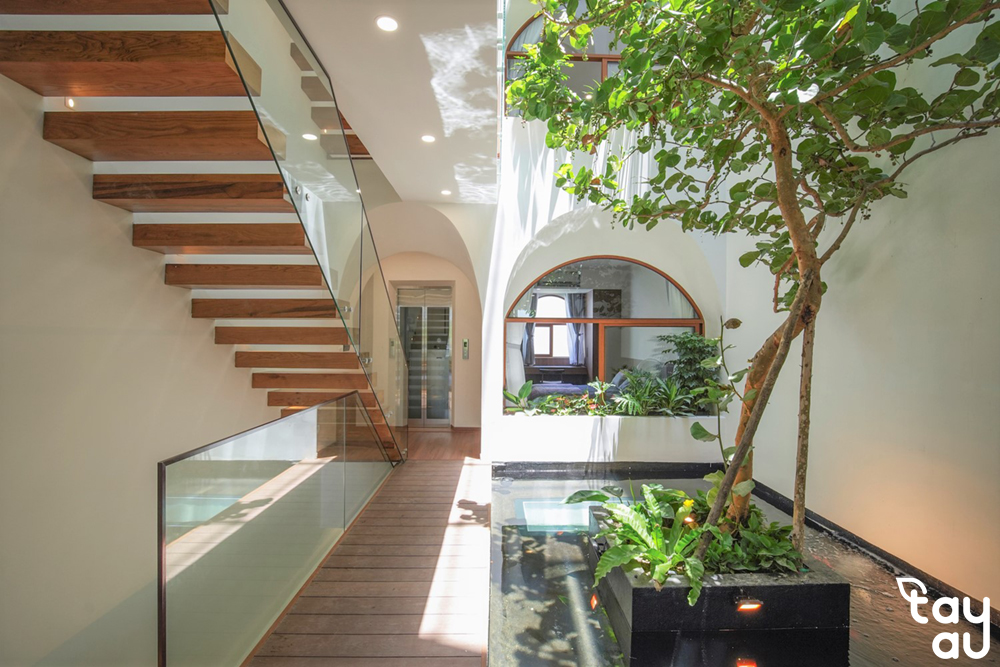
The benefit of skylights also includes their prominent aesthetic factor in interior design. With proper placement, skylights can become an architectural highlight, adding a unique and luxurious beauty to the home. Homeowners can combine skylights with decorative materials like tempered glass, wood, or natural stone to create beautiful light and shadow effects. Skylights can also be decorated with greenery, water features, or artworks to create a lively space that connects with nature. The combination of natural light and decorative elements helps create a harmonious, cozy, and inspiring living environment.
Energy Savings
By providing natural light and ventilation, skylights help reduce the use of electric lights and air conditioning systems, thus saving energy and reducing living costs. In an era where energy conservation and environmental protection are top priorities, skylights offer an effective and sustainable solution for construction projects. Additionally, using natural light from skylights helps reduce the amount of CO2 emissions from electrical devices, contributing to environmental protection.
Improving Mood and Mental Health
Natural light from skylights not only makes the living space brighter and airier but also positively impacts mood and mental health. Research has shown that sunlight can reduce stress, anxiety, and improve mood, especially on cloudy days or during winter. Regular exposure to natural light also helps regulate the body’s biological clock, leading to better sleep and a more refreshed feeling each day.
Increase Property Value
A well-designed house with a skylight not only enhances daily living but also increases property value. Homes with skylights are often highly valued for their architectural and aesthetic appeal, making a strong impression on buyers. Especially in a competitive real estate market, owning a house with a skylight can be a significant advantage when selling or renting out the property.
Common Types of Skylights
There are many styles and sizes of skylights available on the market, catering to different needs and preferences. Here are some popular types of skylights you might consider:
Glass Roof Skylight
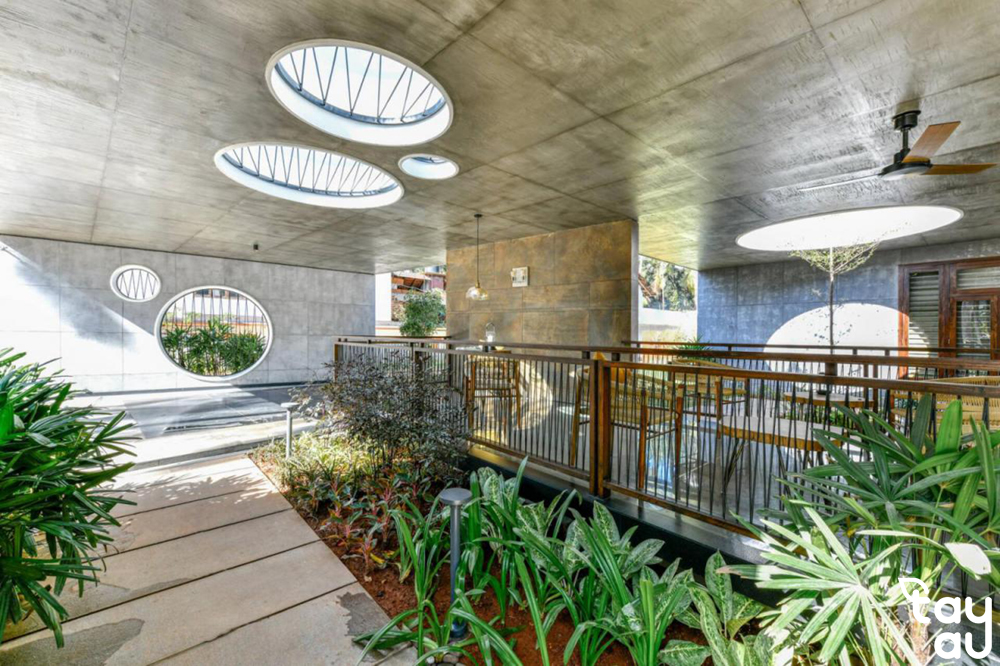
This is the most common type of skylight, widely used in modern homes. With a design made of tempered or heat-resistant glass, the glass roof skylight maximizes natural light while ensuring safety and protection from external weather elements. The glass roof can be designed as flat or sloped, depending on the architecture of the house. If your family wants to harness natural light without fully opening the roof, this is an ideal choice.
Open Roof Skylight
This type of skylight lacks a covering glass, allowing air and natural light to easily enter the house. They are often used in homes with gardens or spacious outdoor areas. Open roof skylights offer a closer connection to nature and make living spaces feel more open. However, when using this type of skylight, attention must be paid to waterproofing and drainage to prevent rainwater from entering the house.
Skylight with Garden
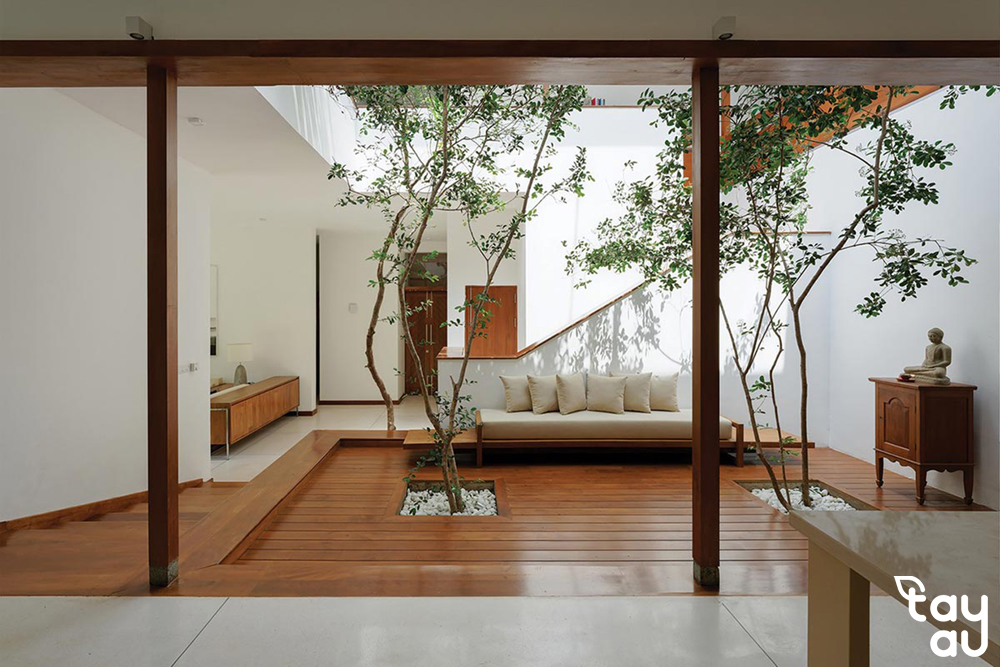
A skylight with a garden combines traditional skylights with indoor garden spaces. This new design trend brings a fresh green space and a natural feel to the home. With this type of skylight, you can plant various green plants or flowers right under the skylight, creating a small indoor garden. The natural light from the skylight helps plants thrive while providing a fresh and pleasant atmosphere in the home.
Skylight with Water Feature
Finally, a skylight with a water feature is perfect for those who love relaxation and tranquility. This is especially ideal for homes in hot climates. In this design, the skylight is combined with a small water feature, creating a lively and nature-connected environment. The water feature under the skylight not only serves as an aesthetic highlight but also helps to regulate the air and reduce the indoor temperature.
Considerations When Designing and Installing Skylights
When designing and installing skylights, keep the following considerations in mind to achieve optimal results:
Placement: This is a crucial factor in determining its effectiveness. Skylights should be placed in areas that need light and ventilation, such as the living room, kitchen, or hallway. Avoid placing them in areas prone to adverse weather conditions like heavy rain or strong winds.
Materials Used: Ensure durability and safety, with tempered or heat-resistant glass being a common choice for glass roof skylights. For open roof skylights, attention must be given to drainage and waterproofing to avoid rainwater ingress.
Size: The size of the skylight should match the area and architecture of the house. A skylight that is too large may be wasteful and disrupt design balance, while one that is too small may not provide sufficient light and ventilation.
Drainage System: For open roof skylights, the drainage system is essential for protecting the home from flooding. Ensure the drainage system is properly designed and installed to prevent water accumulation in the house.
Maintenance and Cleaning: Regular maintenance and cleaning are necessary for effective operation. For glass roof skylights, clean the glass regularly to remove dust and ensure the best possible natural light enters the house.
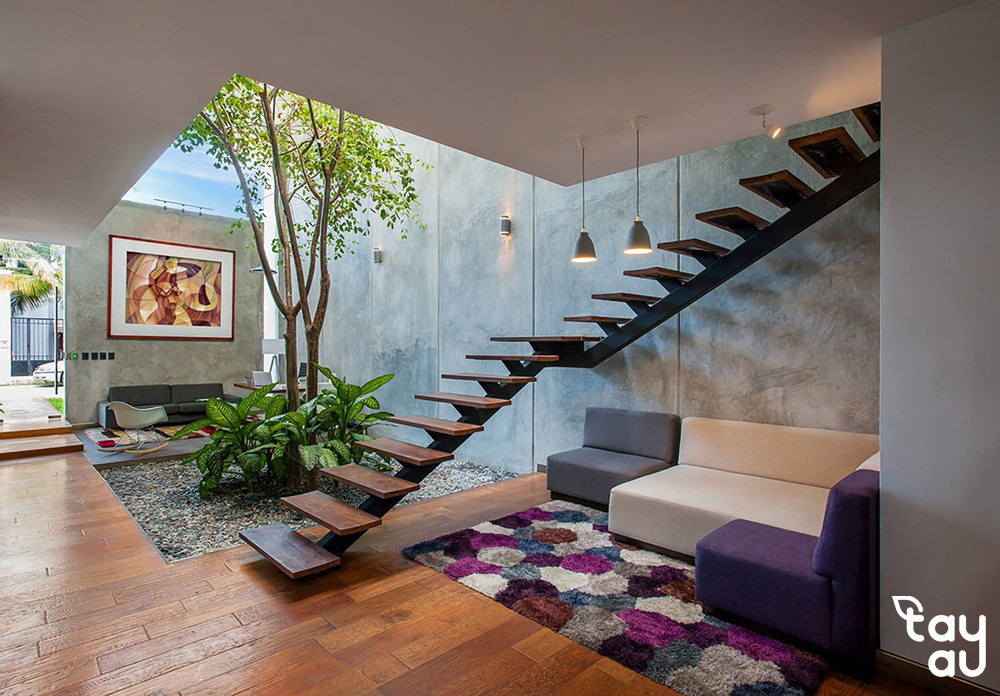
Skylights are not only a smart solution for enhancing living space quality but also offer practical benefits in terms of health and aesthetics. With the benefits of skylights such as providing natural light, enhancing ventilation, saving energy, and improving mental health, skylights are a must-have element in modern home design. If you are planning to design a skylight, contact Tây Âu Landscape for support!








