


Western Garden – The Simple Yet Unique Beauty of the Mekong River Delta
The Mekong Delta in Vietnam, also known as the Nine Dragon River Delta, is a fertile land with an intricate system of rivers and canals. Not only famous for its abundant fruit gardens and untouched natural landscapes, the Mekong Delta is also home to distinct garden designs that carry their own cultural and stylistic significance. The Western Garden is not just a living space but also a reflection of the connection to nature and the cultural identity of the people here.
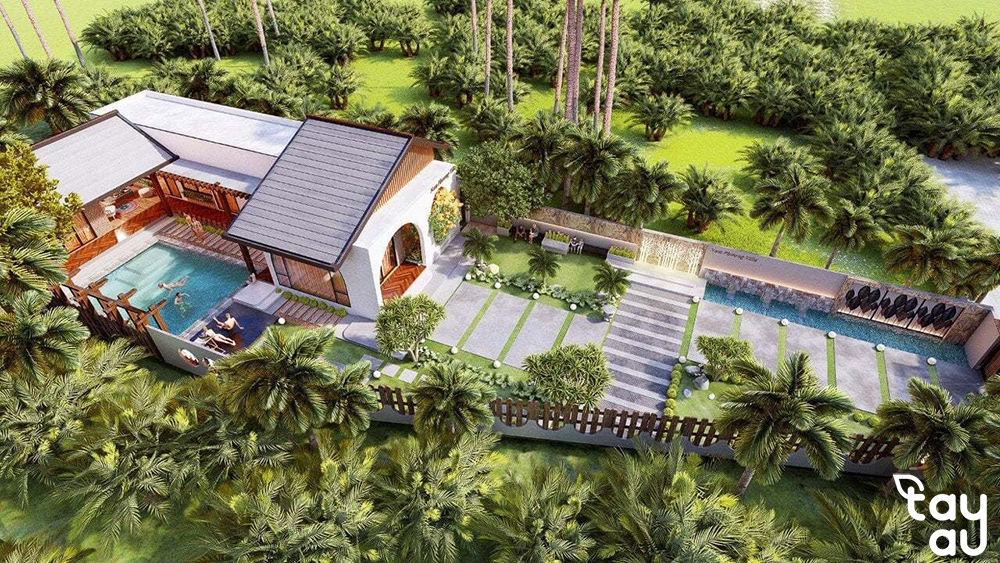
Western Garden and Its Benefits
Explore the unique features of the Western Garden, how to design and arrange it to be aesthetically pleasing and close to nature, and discover why this garden model is increasingly popular in modern urban areas.
What is a Western Garden?
This is a garden style that deeply reflects the culture and nature of the Mekong River Delta. With its riverine terrain, this type of garden is often associated with canals, ponds, lakes, and vast fruit orchards. The Western Garden is not overly elaborate in design but offers a relaxing, peaceful space close to nature.
Trees, flowers, small architectural structures like thatched huts, wooden bridges, and other decorative elements in the garden are harmoniously arranged to create a natural and serene space. A Western Garden is not only a place for people to rest after a long day of work but also a cultural and social space to connect with neighbors and friends.
Benefits of a Western Garden
Creates a Relaxing Space: The Western Garden provides an ideal relaxing environment for families. With its lush greenery, the sound of flowing water, and the fragrance of flowers, the garden becomes a retreat from the pressures of modern life, allowing everyone to enjoy peace and tranquility.
Close to Nature: A properly designed Western Garden fosters a connection to nature. The trees, flowers, and water elements in the garden help balance the living environment, creating a fresher and more soothing living space.
Enhances Aesthetic and Economic Value: The Western Garden not only beautifies the home but also increases its economic value. Fruit orchards and fish ponds in the garden can become significant sources of income for the family. Additionally, a beautiful garden enhances property value, making the home more attractive.
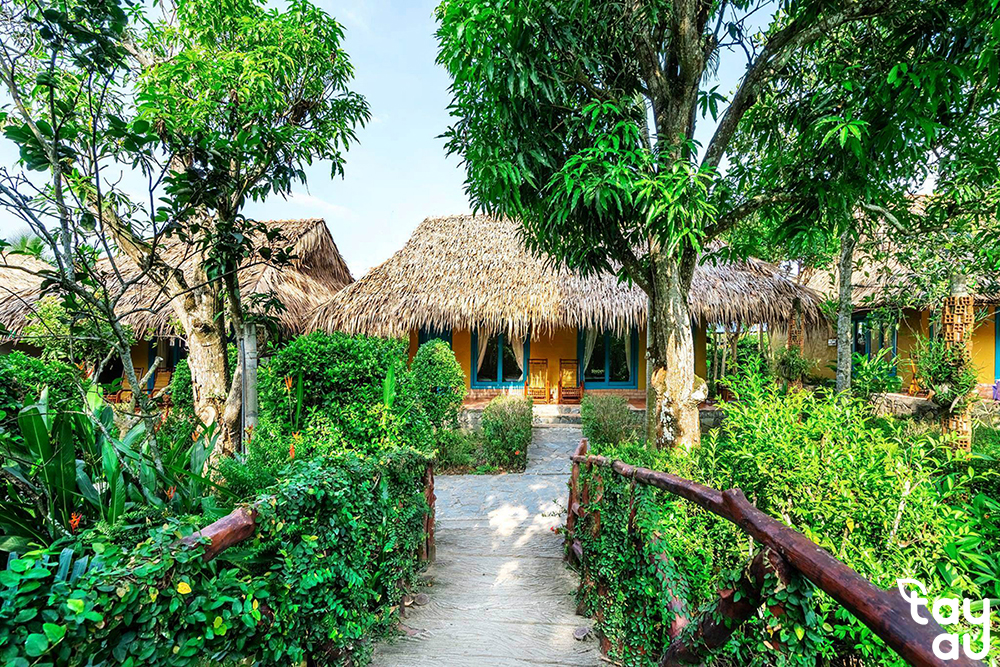
Characteristics of the Western Garden
Linked to Water Elements
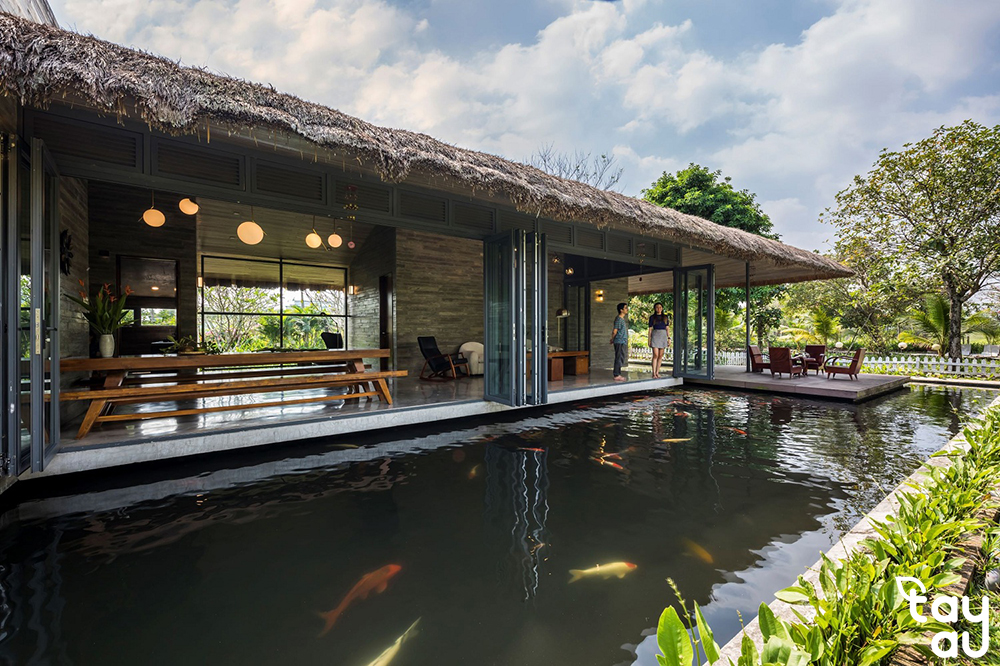
The Mekong Delta is famous for its rich network of rivers and canals, so water elements frequently appear in garden designs in this region. Fish ponds, canals, or small lakes are indispensable in a Western Garden. These features not only provide a cool, airy atmosphere but also serve as habitats for various plants and aquatic animals, creating a rich ecosystem.
Fruit Gardens
Fruit trees are one of the distinctive features of Western gardens. With fertile soil and a mild climate, the people of the Mekong Delta have long developed vast fruit orchards with a variety of trees such as mango, jackfruit, durian, plum, and coconut. These gardens not only provide a rich food source but also create a lush landscape, attracting visitors.
Simple Leaf Huts
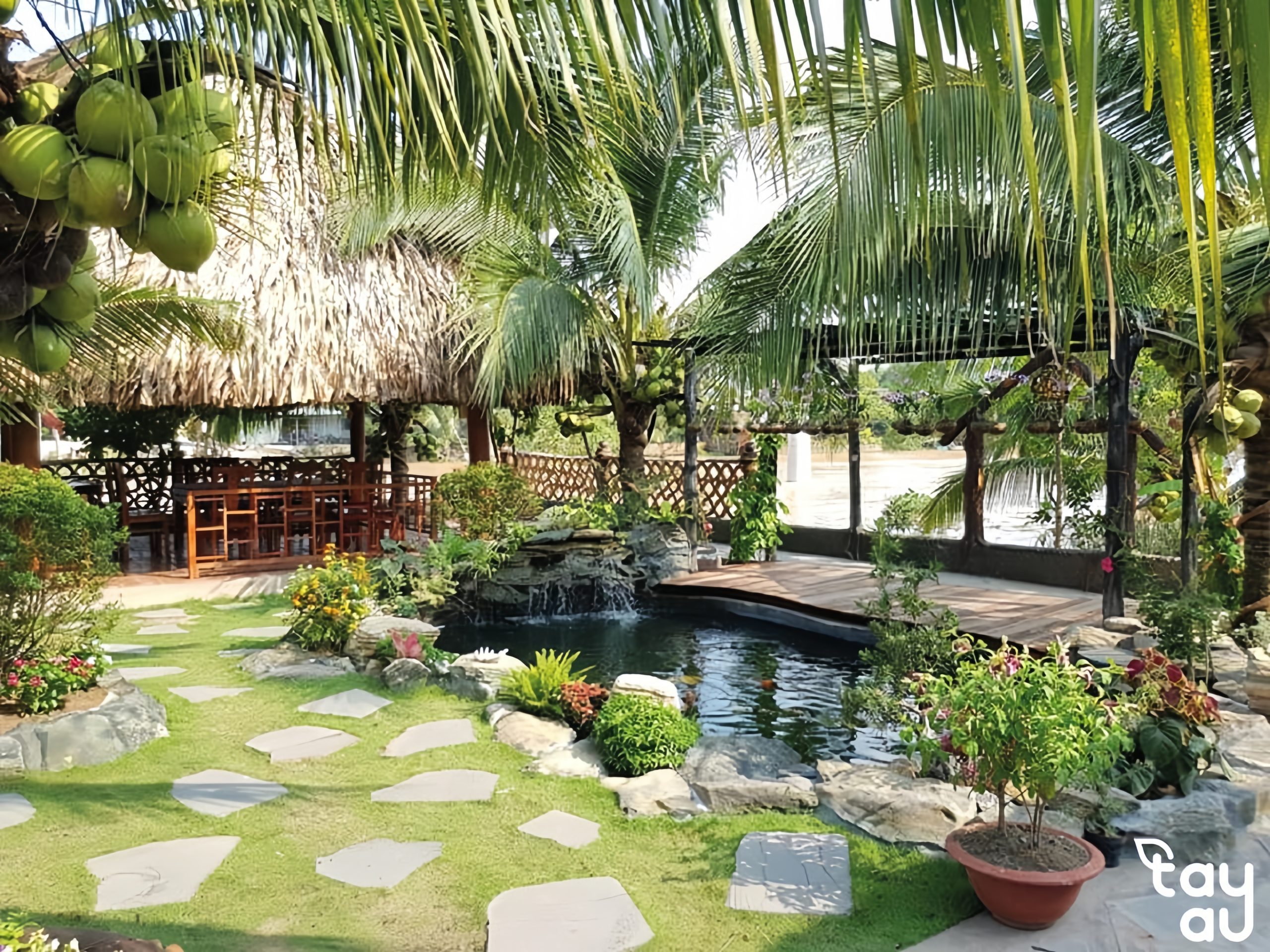
In the gardens of the Mekong Delta, leaf huts are a familiar sight, built amid the trees or next to ponds. These huts are not overly elaborate and are often made from natural materials such as bamboo, reeds, and coconut leaves. They serve as ideal places for families to gather, relax, and enjoy the fresh air of nature.
Trees and Flowers
Western gardens often feature ornamental plants that are easy to grow and well-adapted to the tropical climate. Popular ornamental plants include:
- Yellow Mai Tree: A characteristic plant of the South, often blooming during the Lunar New Year, bringing vibrant beauty to the garden space.
- Water Lily: This plant is often grown in ponds or small lakes, adding a highlight to the water element in the garden.
- Nipa Palm: Nipa palms offer both economic value and a rustic beauty that harmonizes with the riverside nature.
Traditional Decorative Elements
Traditional decorative elements such as monkey bridges, trellises, or fish traps often appear in Western gardens. These elements not only enhance the aesthetic but also reflect the lifestyle and culture of the people living in this riverside region.
Layout and Design of Western Gardens
Choosing the Terrain
To design a beautiful Western garden, choosing the terrain is very important. It is advisable to prioritize areas that are spacious and have access to natural water sources like canals or ponds. For small land areas or those without existing water sources, you can create artificial ponds to replicate the riverside environment.
Plant Arrangement
Plants in Western gardens should be arranged naturally, without being too rigid or following strict rules. You can plant fruit trees around the garden to provide shade, while ornamental plants and flowers can be planted near ponds or pathways. One important note is to choose plants that grow well in humid tropical conditions, while also creating harmony in color and shape.
Water Elements
Water plays a crucial role in creating Western gardens. If there are no conditions to build large ponds, you can opt for small fish ponds or artificial waterfalls to bring a sense of closeness to nature. Water not only cools the space but also provides tranquility and relaxation for the homeowner.
Using Natural Materials
One of the distinctive features of Western gardens is the use of natural materials such as wood, bamboo, and coconut leaves to construct elements like leaf huts, monkey bridges, or resting areas. The use of natural materials helps create harmony between the living space and nature, while also reflecting the rustic culture of the Western people.
Why Choose Tây Âu Landscape for Designing Western Gardens?
Tây Âu Landscape is a professional garden design and construction unit with many years of experience in creating unique green spaces tailored to customer needs. When choosing Tây Âu Landscape, you will receive:
- In-depth consultation on garden layout suitable for geographical conditions and living space.
- Unique and creative designs that reflect the cultural essence of the Western region.
- High-quality construction, ensuring safety and aesthetics.
- Regular garden care and maintenance, helping to maintain long-lasting natural beauty.
Process of Designing and Constructing Western Gardens
The process of designing and constructing Western gardens requires a close combination of natural elements, technical aspects, and aesthetics to create a living space that is harmonious and close to the nature of rivers and lakes. Below are the detailed steps in the process of designing and constructing Western gardens, ensuring high aesthetic effectiveness and utility.
Step 1: Receiving Customer Requirements
The first step in the design process is to receive the requirements and desires of the customer. The customer will present information about the area, the desired shape of the garden, the estimated budget, and specific requirements such as types of plants, design styles, or features like fish ponds, leaf huts, and fruit gardens. Tây Âu Landscape will listen carefully to fully understand the customer’s needs, thereby determining the most suitable design direction.
Step 2: Site Survey
After receiving the requirements, the team of experts at Tây Âu Landscape will conduct a site survey. This step includes:
- Measuring the actual area of the garden.
- Analyzing the terrain: This includes elevation, slope, and other natural features such as the presence of water sources and existing vegetation.
- Assessing soil conditions: Important for selecting the types of plants suitable for the area.
- Climate and surrounding environment: Surveying climatic conditions to choose appropriate plants and determine layout to keep the space cool.
Step 3: Developing Design Proposals
Based on the information from the survey process and the customer’s requirements, Tây Âu Landscape will develop design proposals including:
- Site plan: Includes a detailed diagram of how to arrange areas such as fish ponds, leaf huts, gardens, pathways, and other decorative areas.
- 3D perspective drawing: Helps customers easily visualize the garden space after completion.
- Selection of plants: Proposes suitable ornamental and fruit trees that match the soil conditions and the style of Western gardens.
- Designing water elements: Arranging fish ponds, waterfalls, or artificial canals to harmonize with the space.
- Design Approval: After finalizing the drawings and design plans, Tây Âu Landscape will present them to the customer for approval or adjustments to details according to the customer’s wishes. This step ensures that the customer is completely satisfied with the design before proceeding with construction.
Step 4: Preparing Materials and Labor
After the design drawings are approved, Tây Âu Landscape will begin preparing materials and mobilizing labor. The preparation work includes:
- Selecting and procuring materials: The main materials for constructing Western gardens are natural materials such as wood, bamboo, rattan, stone, and soil. Choosing the right materials helps make the garden space both aesthetically pleasing and cost-effective.
- Preparing plants: The selected types of plants will be prepared from reputable nurseries or supply areas.
- Developing a detailed construction plan: Determining the order of construction steps to ensure progress and quality.
Step 5: Constructing the Garden
- Constructing basic structures
Excavating and preparing the site: Preparing the terrain according to the drawings, excavating ponds, lakes, and low areas for planting or arranging auxiliary structures.
Installing the irrigation system: For Western garden landscapes, the irrigation system is crucial to ensure an adequate water supply for plants and to maintain a green space year-round.
Constructing auxiliary structures: This includes building huts, stone paths, monkey bridges, or other decorative constructions.
Constructing ponds and water features: This is an important step to create highlights for the Western garden. Ponds need to be waterproofed and designed to ensure that water flows continuously and remains clean.
- Planting and arranging decorations
Planting greenery and fruit trees: After completing the structural work, the team will proceed to plant greenery and fruit trees according to the approved layout.
Arranging ornamental plants and flowers: Flowering plants and ornamental trees will be arranged around ponds, paths, and areas that need beautification.
Decorating with natural materials: Using materials like bamboo, rattan, and stone to create a rustic, close-to-nature feel.
Step 6: Inspection and handover of the project
After completing the construction, Tây Âu Landscape will inspect the entire project to ensure all technical and aesthetic elements meet the standards.
- Checking the irrigation and drainage system: Ensure it functions properly and does not cause flooding.
- Checking the growth of planted trees: Ensure that all plants are planted correctly and are growing healthily.
After inspection and confirming quality, the project will be handed over to the client along with detailed instructions on how to care for and maintain the garden.
Step 7: Maintenance and care
To maintain the beauty and growth of the garden, Tây Âu Landscape offers periodic maintenance and care services. These services include:
- Pruning trees: Helps maintain the shape and uniform growth of plants.
- Checking the irrigation system: Ensure the system operates reliably and provides adequate water for plants.
- Fertilizing and caring for plants: Providing necessary nutrients to keep plants lush and healthy.
- Cleaning ponds: Ensuring the water features remain clean and pollution-free.
The process of designing and constructing a Western garden not only requires an understanding of nature and culture but also a combination of technique and aesthetics. With experience and professionalism, Tây Âu Landscape is committed to bringing clients garden spaces that reflect the essence of the Western region, both simple and sophisticated, close to nature and waterways.
Western gardens are not just living spaces but also symbols of the culture and nature of the Mekong Delta. With simple yet refined designs, Western gardens have become a popular trend among many people. If you are looking for a relaxing living space that immerses you in nature, then a Western-style garden is certainly the perfect choice.








