


Urban agriculture, also known as urban farming, is an increasingly popular trend worldwide. This concept refers to the cultivation, breeding, and production of crops within urban areas and cities.
Urban agriculture is an important and necessary trend in the context of urbanization and climate change. With significant environmental, economic, and social benefits, urban agriculture not only helps provide clean and fresh food but also contributes to improving quality of life and building sustainable communities.
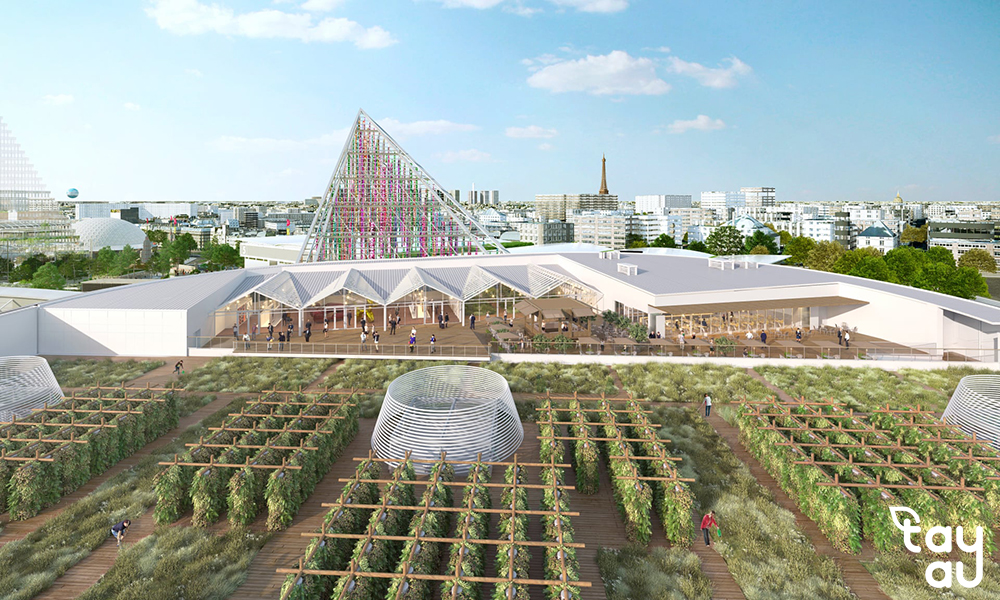
Characteristics of Urban Agriculture
Utilization of Small Spaces:
- Areas such as rooftops, balconies, small gardens, and vacant lots between buildings can all be utilized for planting and animal husbandry.
- Use techniques like vertical farming, tower gardens, and hydroponics to optimize space.
Modern Farming Methods:
- Utilize advanced technologies such as automated irrigation systems, LED lights for indoor crops, and environmental condition monitoring sensors.
- Apply sustainable farming methods like aquaponics, hydroponics, and permaculture.
Direct Engagement with Consumers:
- Help urban residents easily access fresh and safe food.
- Promote local communities to participate in planting and harvesting.
Environmental Impact Reduction:
- Reduce carbon emissions by producing food right where it is consumed, reducing transportation needs.
- Reuse domestic wastewater through advanced irrigation systems.
Promotion of Education and Awareness:
- Provide opportunities for residents, especially children, to learn about food production processes and environmental awareness.
- Schools and community centers often integrate garden learning into their educational programs.
Creation of Green Spaces:
- Improve air quality and temperature in areas by planting more greenery.
- Enhance urban aesthetics and create relaxation areas for residents.
Urban agriculture, increasingly popular and important in the context of growing urbanization, plays a crucial role not only in improving the quality of urban residents’ lives but also in protecting the environment and promoting sustainable development.
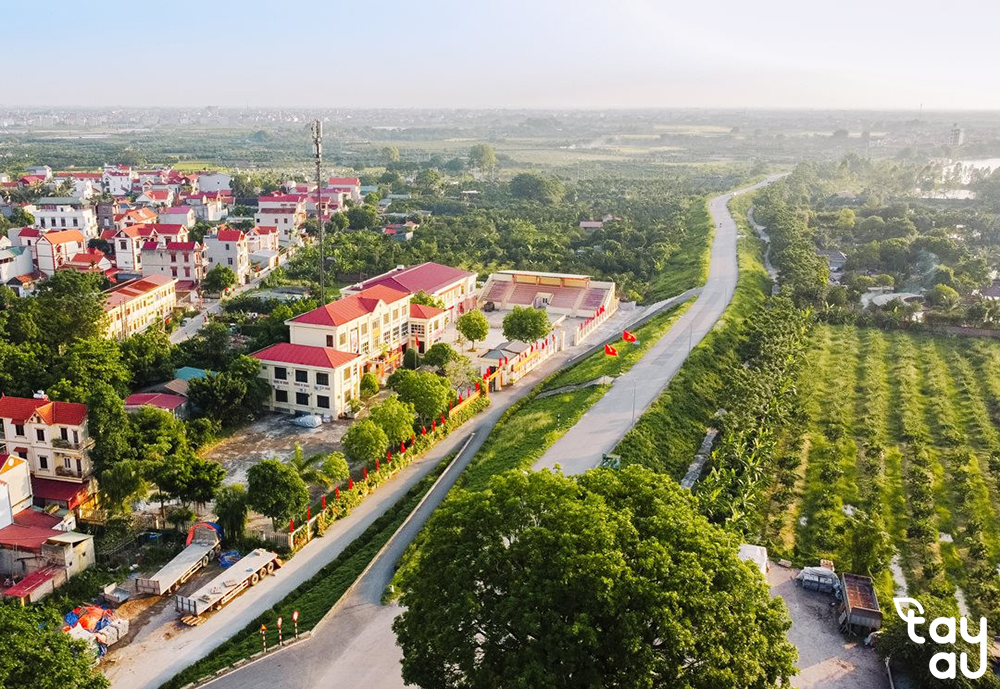
Benefits of Urban Agriculture
Supplying Fresh Food: Urban agriculture helps provide fresh food locally, reducing dependence on imported food from rural areas or abroad. This not only cuts transportation and preservation costs but also ensures the quality and freshness of food.
Improving Urban Environment: Gardens and farms in the city enhance green spaces, improve air quality, and mitigate the urban heat island effect. Green plants absorb CO2 and release O2, purifying the air and creating a healthier environment for urban residents.
Creating Job Opportunities: Urban agriculture generates new employment opportunities in fields such as farming, animal husbandry, farm management, and retailing food. This is particularly crucial amid economic difficulties and high unemployment rates.
Promoting Community Connections: Urban agriculture projects often encourage community participation, fostering social interaction and cooperation among residents. Collaborative efforts in gardening, sharing farming experiences, and harvesting not only strengthen social relationships but also build environmental awareness.
Forms of Urban Agriculture
Rooftop Gardens
Rooftop gardens are an effective solution for utilizing rooftop spaces in high-rise buildings. They not only reduce indoor temperatures but also provide fresh food and create a cool green space amidst urban areas.
Community Gardens
Community gardens are places where residents in the area come together to grow and care for plants. These gardens are often organized and managed by nonprofit organizations or local communities, aiming to create green spaces and provide fresh food for residents.

Aquaponics and Hydroponics Systems
Aquaponics and hydroponics are two soilless farming systems that use water to provide nutrients for plants. Aquaponics combines fish farming with plant cultivation, while hydroponics focuses solely on plant cultivation. Both systems are highly suitable for farming in the limited spaces of urban areas.
Urban Livestock Farming
In addition to crop cultivation, urban livestock farming is becoming increasingly popular, involving activities such as beekeeping, poultry farming, and even fish farming. Urban livestock farming helps supply fresh animal products and diversify food sources.
Challenges of Urban Agriculture
Limited Space Constraints
Limited space is one of the biggest challenges for urban agriculture. However, with creativity and modern technology, solutions such as vertical gardens, rooftop gardens, and hydroponic systems have partly overcome this issue.
High Initial Investment Costs
Establishing urban agriculture systems often requires high initial investment costs, especially for advanced technologies like aquaponics and hydroponics. However, with support from governments and nonprofit organizations, many urban agriculture projects have been able to implement and operate effectively.
Lack of Knowledge and Skills
Many urban residents lack the necessary knowledge and skills to engage in agricultural activities. Therefore, training and technical support are crucial to ensure the success of urban agriculture projects.
The Future of Urban Agriculture
With technological advancements and increasing awareness of the importance of clean and sustainable food sources, urban agriculture is becoming more popular and supported. In the future, we can expect numerous innovations and expansions in this field, including:
Advancement of Agricultural Technology
Technology plays a crucial role in enhancing the efficiency and productivity of urban agriculture. New technologies such as environmental sensors, automated irrigation systems, and robotic farming are being developed and widely applied, improving production processes and management.
Policy Support
Governments and non-profit organizations are increasingly recognizing the importance of urban agriculture and are providing supportive policies such as funding, training, and land provision. This support will promote the development of urban agriculture and encourage more participation in this field.

Scaling Up
With population growth and increased food consumption demands, urban agriculture projects will expand their scale. Urban farms and gardens will not only concentrate in central areas but also spread to suburban areas and former industrial zones.
Enhanced International Collaboration
Urban agriculture is not just a local trend but a global movement. Collaboration and knowledge sharing among cities and countries will help disseminate best practices and promote sustainable development of urban agriculture worldwide.
Investing in urban agriculture and encouraging community participation are crucial steps towards ensuring a green and sustainable future for cities worldwide. With government support, non-profit organizations, and community innovation, urban agriculture will undoubtedly continue to grow and bring numerous benefits to society.








