


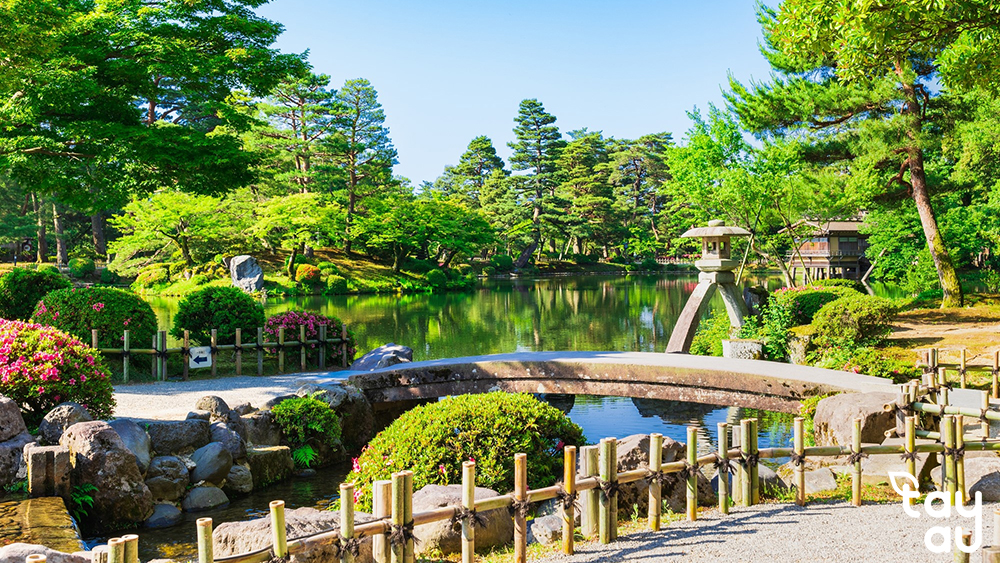
In today’s hectic life, the desire to immerse oneself in nature is becoming a trend. In this trend, natural elements play a crucial role, indispensable in garden design. They contribute to creating a perfect living space that meets human needs. However, to integrate these elements comprehensively, designers require understanding, professionalism, analytical skills, cleverness, and creativity. So, for a deeper insight into natural elements in garden design, let’s explore with Tây Âu Landscape!

Natural Elements in Garden Design
Green Trees
- Tall Trees: Provide shade, shelter, and focal points for the garden. Some popular tall tree species include: oak trees, sycamore trees, tamarind trees, banyan trees,…
- Medium Trees: Bring diversity and enhance the garden’s vibrancy. Some popular medium tree species include: Japanese maple trees, paper flower trees, tea flower trees, orchids,…
- Low Trees: Suitable for edging, ground cover, or accents under tall trees. Some popular low tree species include: rose trees, dry coconut flower trees, lanthorn grass, bougainvillea,…
Flowers and Grass
Flowers bring bright colors and enticing fragrances to the garden. Choose flowers that suit the climate conditions, personal preferences, and garden design style. Some popular flower species include: roses, chrysanthemums, orchids, tulips, sunflowers,…
Grass creates a cool, comfortable green carpet and helps regulate the garden’s temperature. Choose grass types that suit light conditions, moisture levels, and your usage needs. Some popular grass species include: velvet grass, needle leaf grass, lavender grass, lau grass,…

Water
Brings coolness, liveliness, and focal points to the garden. You can use water elements such as:
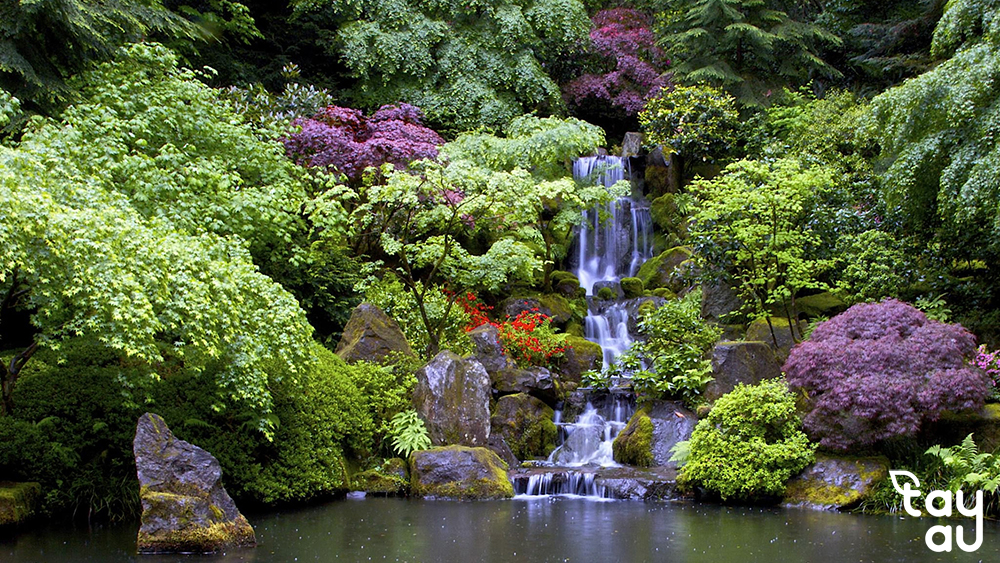
- Water pond: A place for fish farming, planting gun flowers, and creating beautiful landscapes.
- Fountain: Provides pleasant sounds and serves as a focal point for the garden.
- Water streams: Creates a relaxing and intimate connection with nature.
Stones
Use stones to create pathways, tree edges, miniature landscapes, or decorate the garden. Choose stones that match the design style and personal preferences. Some popular stone types include: gravel stones, pebbles, honeycomb stones, granite stones,…
Wood
Use wood to build rest pavilions, wooden bridges, fences, or decorate the garden. Wood brings warmth, rustic charm, and a close connection to nature.
Lighting
Use lighting fixtures to create focal points, enhance aesthetics, and ensure safety for the garden at night. Choose lighting that matches the design style and usage function.
The Importance of Natural Elements in Garden Design
Garden design is not just about embellishing the house but also brings numerous practical benefits such as:
Enhancing Aesthetic and Economic Value for the House
A beautiful garden with impressive greenery contributes to enhancing the aesthetic value of the house, creating attractions and increasing the property value. Cool, fresh green spaces provide an ideal living environment, attract potential buyers, and increase resale value when necessary.
Improving Living Environment Quality
Green trees in the garden act as natural filters, absorbing CO2, dust, and providing fresh oxygen, contributing to purifying the air and creating a fresh, cool atmosphere for the house. Water in fish ponds, fountain basins, or water landscapes helps regulate temperature, reducing stuffiness and heat, bringing a refreshing and comfortable feeling to the living space.
Enhancing Health and Spirituality
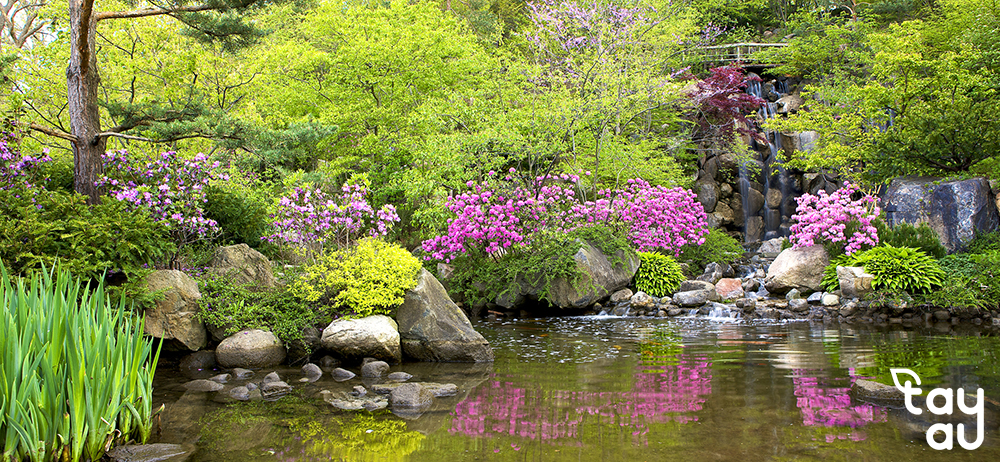
Sunbathing, breathing fresh air, and immersing oneself in nature in your own garden helps reduce stress, tension, improve mood, and enhance mental health. The garden is also an ideal place for gentle exercise, yoga, meditation, helping to improve physical health and mental relaxation after long working hours.
Providing Clean Food Source and Saving Expenses
Growing vegetables and fruits in your garden provides you with fresh, safe food sources without worrying about chemicals or pesticide residues. A vegetable garden is also a place for you to indulge in gardening passion, experience the joy of planting and caring for food for your family.
Creating Feng Shui Highlights for the House
A well-designed garden in accordance with Feng Shui principles brings prosperity, fortune, and luck to the homeowner. The harmonious combination of architecture and nature creates energy balance, making homeowners feel peaceful, comfortable, and full of vitality.
Principles of Combining Natural Elements in Garden Design
Here are some basic principles for effectively using natural elements in garden design to create your dream garden:
Consistency
Design the garden in a specific style, whether it’s elegant Japanese, classic Chinese, modern European, or rustic countryside. Maintain consistency in structure,
Symmetrical and Asymmetrical Balance
Create balance and order in the garden by arranging details such as statues, landscapes, and seating symmetrically when viewed from one side. Use spontaneity and natural elements to arrange other details, creating artistic value and simulating natural ecology, bringing unique and impressive beauty to the garden.
Emphasis on Colors
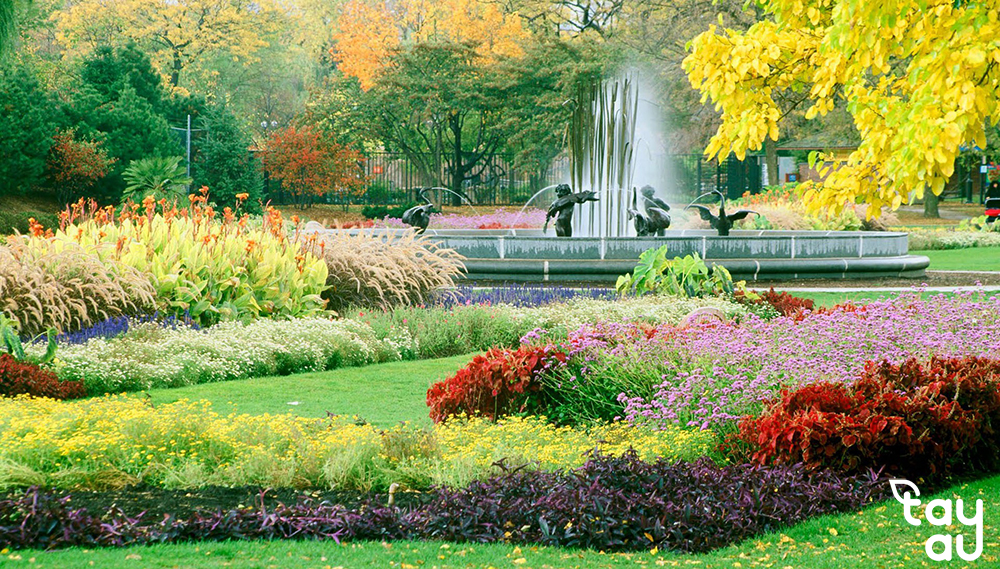
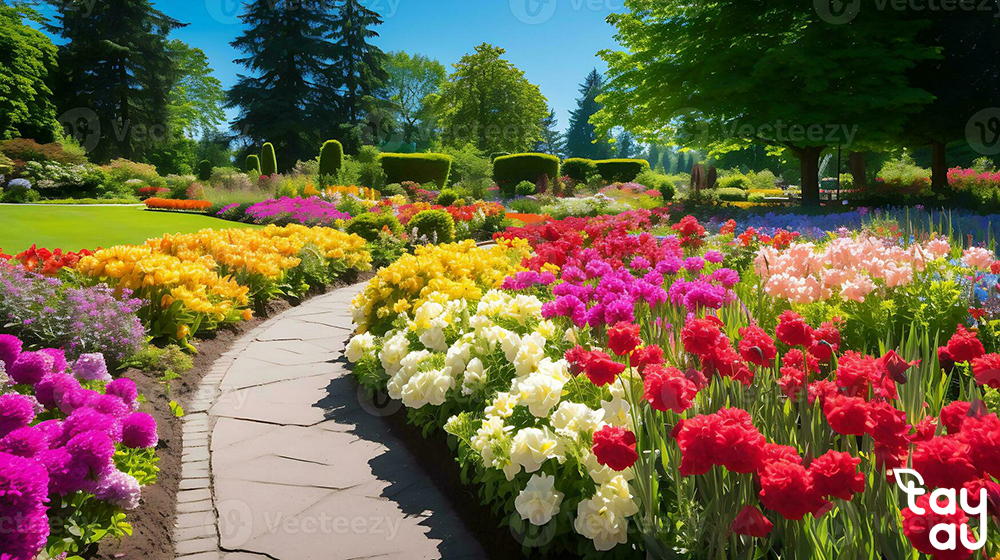
Harmoniously combine the colors of plants, flowers, and decorative items such as seating, carpets, and pathways to create vibrancy, attraction, and avoid boredom. Use warm colors to create focal points and a cozy feeling, or cool colors to bring relaxation and freshness to the garden.
Using Lines and Shapes
Create neatness and tidiness in the garden using clean lines in designing pathways, fences, and flower beds. Bring a soft, natural, and romantic feeling to the garden by using flowing lines in designing pathways, landscapes, and water features.
Repetition
Define the dominant style for the garden by repeating some decorative details such as patterns, motifs, and plant shapes. Avoid excessive repetition to create diversity, prevent monotony, and bring unique beauty to the garden.
Detailed Suggestions for Choosing Natural Elements in Garden Design
Below are detailed suggestions for considering when designing a garden:
Determine the Garden’s Purpose
Before starting the design, take the time to determine the main purpose of the garden. Do you want it to be a place to relax after stressful work hours, a playground for children, a party area, or simply a vegetable garden? This goal will help you choose suitable elements to create a garden that meets your needs and preferences.
Survey Natural Conditions
Light
Identify the direction of light in the garden to know which areas receive direct sunlight and which areas are shaded. This will help you choose suitable plants that can thrive and showcase their beauty.
Wind and Rain
Evaluate the wind direction and areas prone to rain in the garden. Choose plants that can withstand harsh weather conditions, avoiding damage from strong winds or heavy rain.
Surrounding Landscape
Consider the surrounding landscape to create harmony and make good use of space. For example, if the garden is near tall buildings, use tall plants to create focal points and shield views.

Choose Suitable Plants and Flowers
Plants
Select plants that are suitable for the weather conditions, space, and your needs. Ensure height stratification to create harmony in the garden, including:
- Tall trees: Suitable for providing shade, shelter, and focal points in the garden.
- Medium-sized trees: Bring diverse beauty and enhance vibrancy to the garden.
- Short trees: Suitable for borders, ground cover, or focal points under tall trees.
Flowers and Grass
Use various types of flowers and grass to create a vibrant natural landscape. Choose harmonious colors that satisfy the visual senses, creating impressive color patches for the garden.
Outdoor Furniture
Tables, Chairs, Swings
Choose outdoor furniture that suits the garden’s design style and usage purposes. Materials and designs should ensure comfort, convenience, and harmony with the overall space.
Swimming Pool, Canopy
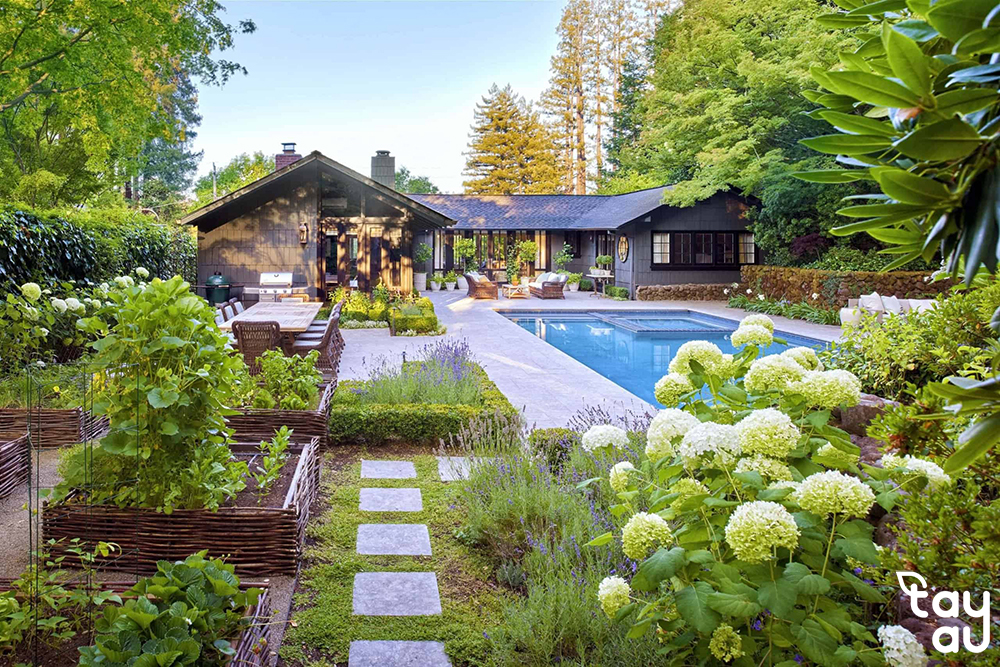
If possible, consider adding a swimming pool or canopy to create focal points in the garden, providing an ideal space for relaxation and entertainment.
Landscape Lighting
Use landscape lighting in multiple areas of the garden to create a lively atmosphere and enhance aesthetics. Choose lighting fixtures that match the design style and ensure safety.
Decorative Accessories
A set of tables, chairs, and decorative items play a crucial role in perfecting the beauty of the garden. Choose items that match the design style and personal preferences, creating impressive focal points and adding sophistication to the garden.
With the information provided in this article, we hope you have a deeper understanding of natural elements in garden design, as well as principles and tips for selection. If you need to find an expert or a team to implement your garden design, contact Tay Au Landscape today. With experienced architects and engineers who deeply understand natural elements in garden design, we commit to providing optimal solutions to help you achieve your dream garden, meeting all criteria for aesthetics, functionality, and value.








