


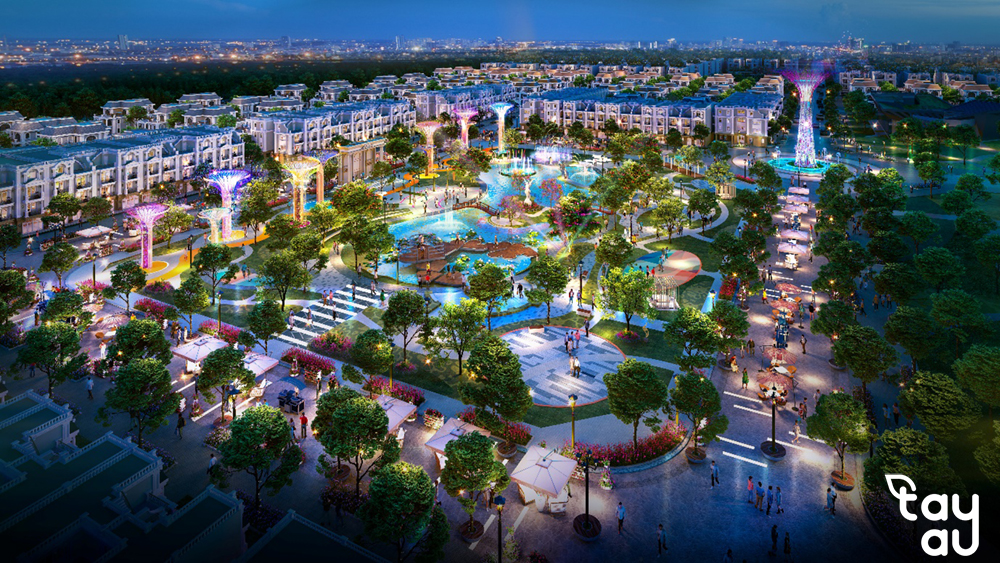
Residential area planning is a complex task that requires a close combination of expertise, strategic vision, and understanding of community needs. Well-planned residential areas not only provide high-quality living spaces for residents but also contribute to the socioeconomic development of the locality. This article will analyze the factors to consider when planning residential areas, from ideal locations to diverse housing designs, aiming to create a harmonious, safe, and sustainable living environment.
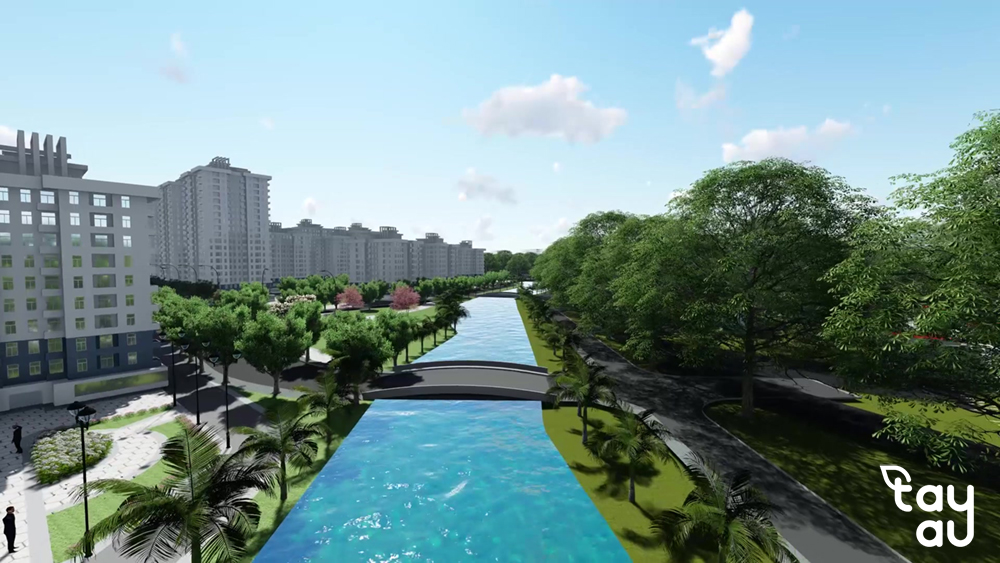
Ideal Location for Residential Areas
Location is a key factor influencing the success of a residential area. An ideal location should meet the following criteria:
Convenient Transportation Connectivity
Residential areas should be located near main transportation routes, facilitating access to nearby areas, city centers, schools, hospitals, markets, and supermarkets. This helps residents easily access basic services, reduces travel time, and improves quality of life.
Healthy Surrounding Environment
Ideal residential areas should be situated in areas with clean air, minimal pollution, and close to parks, lakes, and lush green forests. A green, clean living environment is not only good for health but also provides a sense of comfort and relaxation for residents after stressful working hours.
Complete Technical Infrastructure
Residential area locations need to ensure the availability of modern and complete systems for electricity, water, drainage, telecommunications, internet, etc. Synchronized technical infrastructure is a crucial factor to ensure comfortable and safe living for residents.
Security and Safety
Residential areas need to ensure security and safety for residents, with surveillance camera systems, 24/7 security guards, and tightly managed access to the area. Security and safety are essential factors for residents to feel comfortable living, working, and socializing within the residential community.

Analysis of Needs and Necessary Utilities
The first step in residential area planning is to analyze the needs of the community and identify necessary utilities. This plays a crucial role in ensuring that the residential area will optimally meet the needs of residents.
Analysis of Resident Profiles
To understand the community’s needs, it’s necessary to analyze the profiles of the intended residents who will live in the residential area. Factors to consider include:
- Age
- Marital status
- Family size
- Income
- Lifestyle and preferences
This information will help determine the needs regarding types of housing, apartment sizes, recreational facilities, and other necessary services.
Identifying Necessary Facilities
Based on the analysis of community needs, necessary facilities in residential areas may include:
- Schools and educational facilities
- Hospitals, medical clinics
- Supermarkets, traditional markets
- Playgrounds, entertainment areas
- Sports facilities, fitness clubs
- Green spaces, parks
- Religious facilities
- Cultural centers, libraries
Integrating these facilities into residential areas will create a comprehensive living environment, enhance convenience, and improve the quality of life for residents.
Consideration of Population Density
Population density is an important factor to consider in residential area planning. It directly impacts the quality of life, infrastructure pressure, and resources of the residential area.
Identifying Appropriate Population Density
Appropriate population density depends on various factors, including the area of the residential area, existing infrastructure, types of housing, and the development goals of the locality. Some principles to consider when determining population density include:
- Ensuring spacious and airy living spaces for residents.
- Avoiding infrastructure overload and pressure on public services.
- Maintaining a balance between built-up areas and green spaces.
- Alignment with the socioeconomic development plan of the locality.
Population Density Management
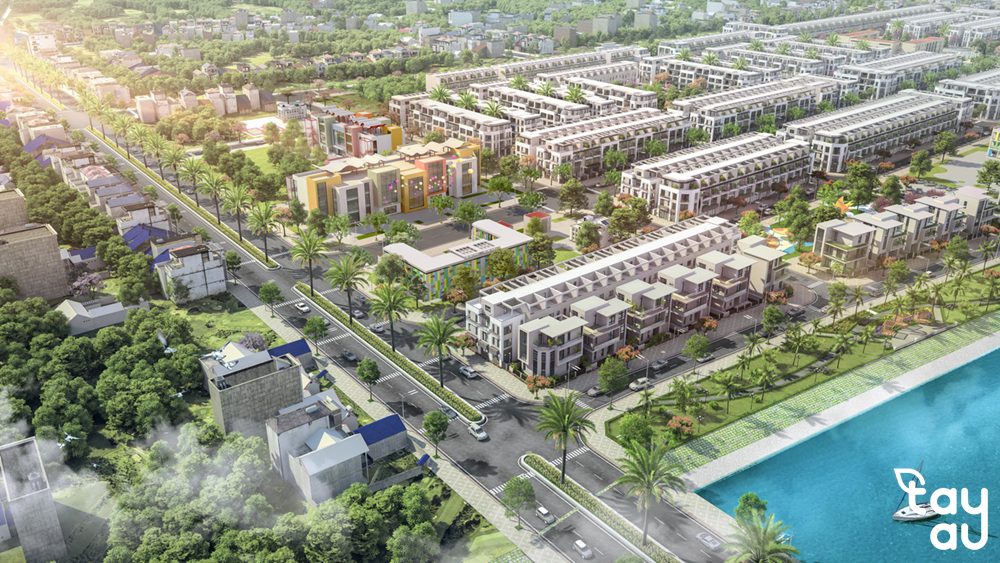
After determining the appropriate population density, measures are needed to manage and maintain the population density within permissible limits. Measures may include establishing regulations regarding building area, allowable number of floors, building footprint ratio to land area. Additionally, there needs to be mechanisms to control land conversion and approve new construction projects to ensure stable population density.
Benefits of Reasonable Population Density
Reasonable population density brings many benefits to residential areas, including:
- Creating comfortable and convenient living spaces for residents.
- Reducing pressure on infrastructure and public services.
- Protecting the environment and creating green spaces for the community.
- Enhancing integration and social interaction among residents.
Considering and managing population density is a key factor in ensuring sustainable development of residential areas.
Transportation Infrastructure Planning
Transportation infrastructure plays a crucial role in connecting residential areas with other areas, providing convenient mobility for residents, and supporting the development of the region.
Identifying Transportation Systems
Transportation infrastructure planning needs to identify main roads, internal roads, pedestrian and bicycle lanes. Connecting areas within the residential area and to neighboring areas through transportation systems will help reduce traffic congestion, increase flexibility, and save travel time.
Developing Public Transportation
To reduce individual traffic pressure, consideration should be given to developing public transportation such as buses, subways, and technology-based ride-hailing systems. Providing efficient and convenient public transportation will encourage residents to use it, reducing the number of personal vehicles on the road and contributing to improving the living environment.
Ensuring Traffic Safety
Traffic safety is an essential factor in transportation infrastructure planning. Considerations should be made for appropriate road design, installation of traffic signs, traffic lights, road markings, and surveillance camera systems to ensure safety for road users.
Using Technology in Traffic Management
Applying information technology to traffic management such as GPS positioning systems, traffic flow adjustment applications will improve the efficiency and safety of the traffic system. Technology also assists in data collection and evaluation for appropriate improvement measures.
Synchronized and modern transportation infrastructure planning is an important factor in creating a comfortable, safe, and sustainable living environment for residents.
Ensuring Security and Safety for Residents
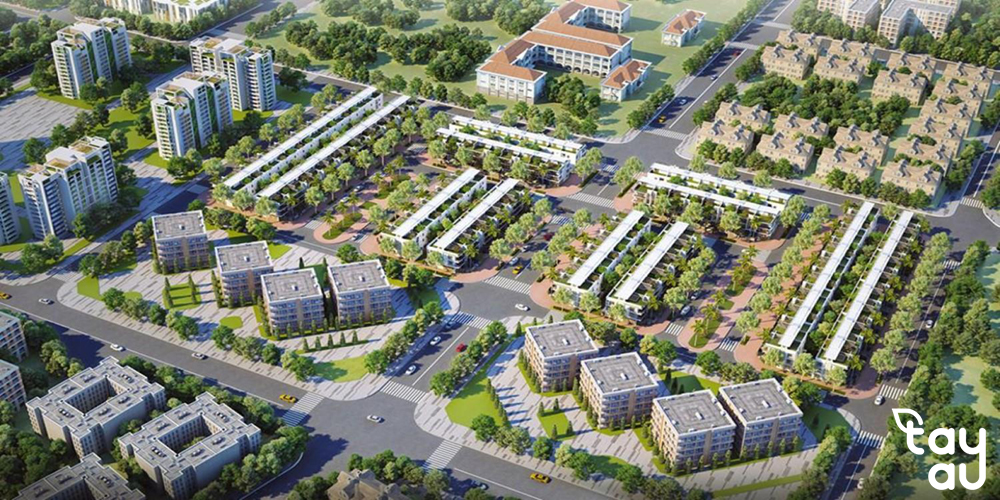
Security and safety are essential elements in residential area planning. Ensuring security and safety not only provides residents with peaceful living conditions but also contributes to the development of the area.
- 24/7 Security System: Installing 24/7 surveillance camera systems, security guards is a fundamental measure to ensure security for residential areas. Areas such as entrances, public areas, common corridors need to be monitored to prevent intrusions and protect residents.
- Entry and Exit Management: Managing entry and exit points of the residential area is an effective way to control the movement of outsiders and ensure security for residents. Using access cards, QR codes, smart control systems will help manage traffic flow tightly and conveniently.
- Enhancing Community Participation: Community participation in maintaining security and safety is also crucial. Organizing gatherings, security training sessions, establishing self-management groups will help raise awareness among residents to protect and maintain security in their own residential area.
- Legal Support and Authorities: Support from legal and regulatory authorities also plays an important role in ensuring security and safety for residents. Establishing regulations, support policies, and close cooperation with authorities will enhance effectiveness in security protection.
Ensuring security and safety for residents not only creates a stable living environment but also promotes the development and integration of the community.
Waste Management and Environmental Protection
Waste management and environmental protection are urgent issues in residential area planning. Ensuring a clean, green, and sustainable living environment is the responsibility of the entire community.
- Waste Treatment System: Building an effective urban waste treatment system is an indispensable factor in residential area planning. Considering the application of advanced waste treatment technologies such as recycling, landfilling, and biological treatment to minimize the impact of waste on the environment.
- Promoting Recycling and Waste Sorting: Encouraging residents to participate in recycling and waste sorting will help reduce the amount of waste discharged into the environment. Policies to promote, guide, and support are necessary to create a community awareness of environmental protection.
- Protecting Water and Air Sources: Protecting water and air sources in the residential area is also crucial. Consideration should be given to building water reservoirs, efficient drainage systems, and greenery to improve air quality and water sources for residents.
- Environmental Protection Guidance: Organizing activities, campaigns to raise awareness of environmental protection, educating the community about environmental awareness is necessary. Establishing educational programs, guidance, and promoting residents to implement daily environmental protection measures.
Waste management and environmental protection are not only the responsibility of local authorities but also the duty of each individual resident. Only when the community works together can we create a green, clean, and sustainable living environment.
Consideration of Social Utilities in Residential Areas
Considering social utilities in residential areas is one of the important considerations in residential area planning to ensure the daily lives of residents are convenient and complete.
- Schools and Hospitals: Building quality schools and modern hospitals in residential areas helps meet the educational and health needs of residents. It also creates a conducive environment for learning and treatment for everyone.
- Parks and Playgrounds: Parks and playgrounds are places for residents to relax, meet, and interact with each other. Arranging play areas, sports fields, green parks will create a comfortable and healthy living space for residents.
- Supermarkets and Convenience Stores: Having supermarkets, convenience stores in residential areas helps residents save time and effort in daily shopping. It also facilitates business and economic development in the area.
- Gyms and Spas: Having gyms, spas in residential areas helps residents maintain health and relax after stressful working hours. It is also a place for socializing and connecting residents in the area.
- Libraries and Cultural Centers: Libraries and cultural centers are places for residents to access knowledge, culture, and art. Having cultural facilities in residential areas will promote cultural development, education, and create a conscious community.
Considering social utilities in residential areas not only benefits residents but also creates a complete and rich living environment, promoting comprehensive community development.
In this article, we have explored together the important considerations in residential area planning. From ideal location, needs analysis, infrastructure planning to environmental protection, creating conditions for sustainable development, all play important roles in building a modern, convenient, and safe residential area. Hopefully, the information and contributions in the article will help you understand more about residential area planning and how to build a beautiful living environment for the community.








