


Minimalist Architecture (Minimalist Architecture) is a design style that stands out with its elegance in simplicity, creating airy and sophisticated spaces. This style is becoming a trend in the design of homes, offices, restaurants, and many other spaces, thanks to its practicality and high aesthetic value. The following article will provide a detailed introduction to minimalist architecture, from basic design principles to the benefits this style brings to modern life.
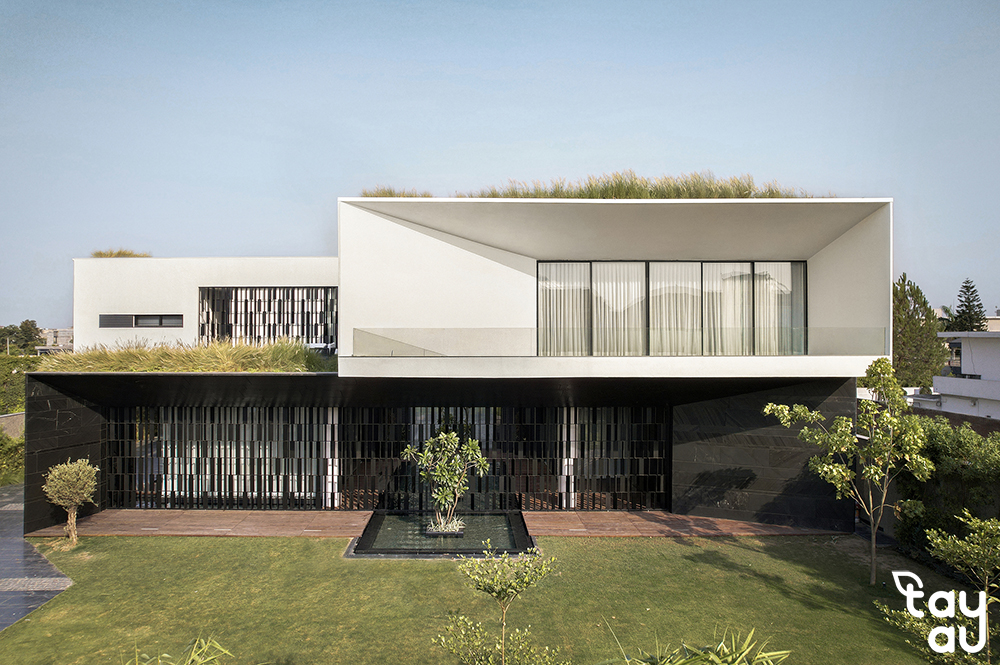
Concept and Benefits of Minimalist Architecture
Emerging in the 1970s, Minimalism is considered a branch of contemporary style. It has had a strong influence on fields such as fashion, music, photography, graphics, and architecture.
What is Minimalist Architecture?
Minimalist architecture is a design style that focuses on reducing unnecessary elements, retaining only what is truly essential for the space. This style is characterized by refined lines, clear geometry, neutral colors, and high-quality materials, providing a sense of peace and balance.
The philosophy of minimalist architecture is based on the principle of “Less is more,” initiated by the famous architect Ludwig Mies van der Rohe. This means that instead of adding complex details, minimalist style focuses on the most basic and pure elements to reveal the natural beauty of the space.
Benefits of Minimalist Architecture
Creates comfort and tranquility: Spaces designed in a minimalist style bring a sense of comfort and tranquility to users. The simplicity in design, combined with natural light and neutral colors, eliminates distracting elements and creates an ideal environment for relaxation, work, or study.
Optimizes space: Minimalist architecture helps optimize space, especially in areas with limited square footage. By eliminating unnecessary details and utilizing natural light, spaces become more expansive, creating an open and unrestrictive feel.
Reduces stress and improves mood: A neat, clean living and working space helps reduce stress and improves mood. When the space is arranged neatly and elegantly, users can easily focus on tasks or relax, fostering creativity and inspiration.
Saves costs: Although minimalist architecture often uses high-quality materials, due to the reduction in the number of furniture and decorations, this style can help save costs. Instead of investing in many complex details, homeowners only need to focus on necessary and long-lasting items.

Basic Principles of Minimalist Architecture
Minimize unnecessary details
One of the most important elements of minimalist architecture is the reduction of unnecessary details. Instead of using complex patterns or intricate decorations, this style focuses on basic lines, simple shapes, and tidy arrangements. Every detail in the space is carefully considered, removing anything that does not serve a specific purpose or is unnecessary to the overall design.
Neutral Colors
The primary colors in minimalist architecture are usually neutral tones such as white, gray, black, or beige. These colors help create a sense of spaciousness while also bringing elegance and sophistication. Occasionally, some bright or bold tones may be used as accents to create gentle contrast while still maintaining the unity of the overall space.
Use of Natural Materials
Natural materials such as wood, stone, and glass are often favored in minimalist architecture. These materials not only bring natural beauty but also make the space feel warm and inviting. Combining natural materials also helps soften the rigidity of the space and creates harmony between natural and man-made elements.
Natural Light
Natural light plays an important role in minimalist architecture. Large windows and open designs maximize natural light, creating bright and airy spaces. The use of natural light also helps save energy and fosters a close connection between the interior and exterior spaces.

Empty Spaces
Another principle of minimalist architecture is leaving ample empty space. Empty space not only creates a sense of openness but also highlights carefully selected furnishings or details. Not filling every gap with furniture or decorations helps create a light and relaxing atmosphere.
Trends in Modern Minimalist Architecture
German architect Ludwig Mies van der Rohe (1886 – 1969), one of the masters of modern architecture, is considered the father of minimalist architectural style. Since then, this architectural style has developed into many different trends worldwide.
Japanese Minimalist Style
Japanese minimalist architecture, also known as wabi-sabi, is a popular design trend that focuses on the natural beauty of imperfection. This style uses natural materials like wood, stone, and paper, combined with open spaces and natural light to create a peaceful and tranquil atmosphere.
Minimalist Architecture Combined with Technology
Minimalist architecture combined with smart technology is a growing trend. The emergence of tech devices such as smart home systems, remotely controlled LED lighting, and automatic air conditioning systems creates a comfortable living space without compromising the simplicity of the architecture.
The Combination of Minimalism and Sustainability
Modern minimalist architectural design trends also emphasize sustainability. The use of recycled materials, environmentally friendly materials, and energy-saving solutions is becoming a trend in architectural projects. This not only helps protect the environment but also brings high aesthetic value to living spaces.
Minimalism in Office Design
Minimalist style is applied not only in residential spaces but also in office design. Minimalist offices help create a comfortable and streamlined working environment, enabling employees to focus better. Eliminating unnecessary details also creates a sense of spaciousness, reducing stress in the workplace.
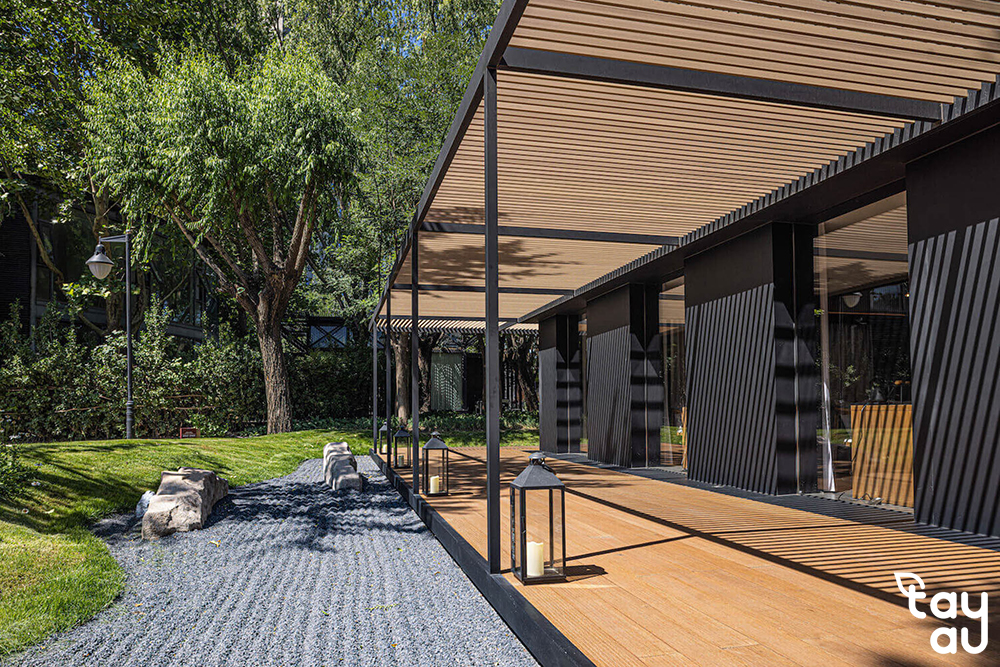
How to Apply Minimalist Architecture in Homes
Use Simple Furniture
In minimalist interior design, choosing the right furniture plays a crucial role. Select pieces that are simple in design, not overly intricate, but still functional. Arrange the furniture in an organized and logical manner, avoiding the overuse of items.
Use Neutral Colors
Neutral colors are an essential element in this style. White, gray, and beige are often used to create a spacious, clean, and refined feel. If you want to add some accents, you can include a few standout elements like greenery or small decorative items.
Maximize Natural Light
To optimize natural light, design large windows or use thin curtains to allow light to enter the living space. Natural light not only helps save energy but also creates a more spacious and comfortable environment.

Minimalist architecture is not only a contemporary design trend but also offers many aesthetic, functional, and mental benefits. This style helps create a neat, convenient, and airy living and working environment while evoking a sense of tranquility and peace. By applying minimalist design principles to your space, you can create an environment that is both sophisticated, sustainable, and modern.








