


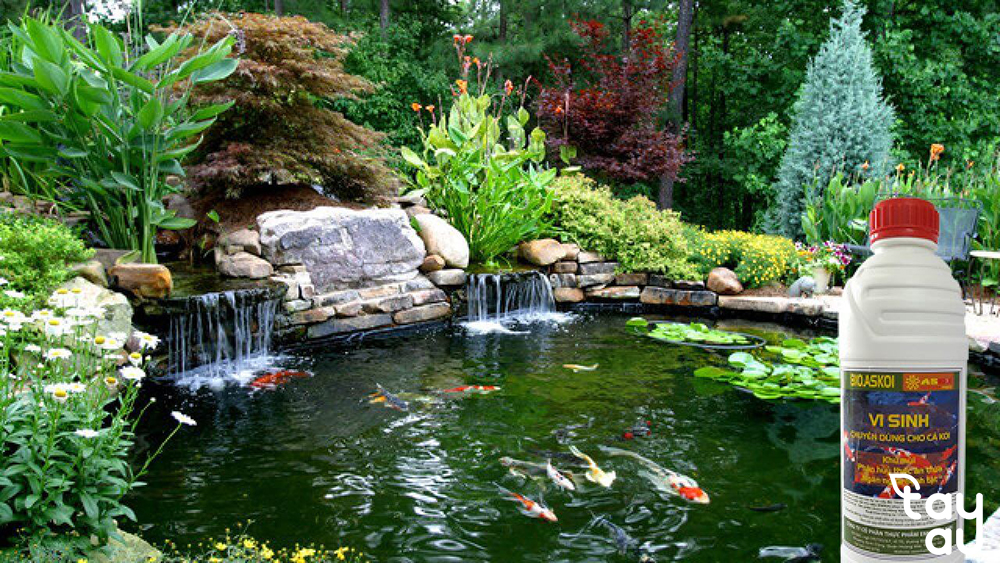
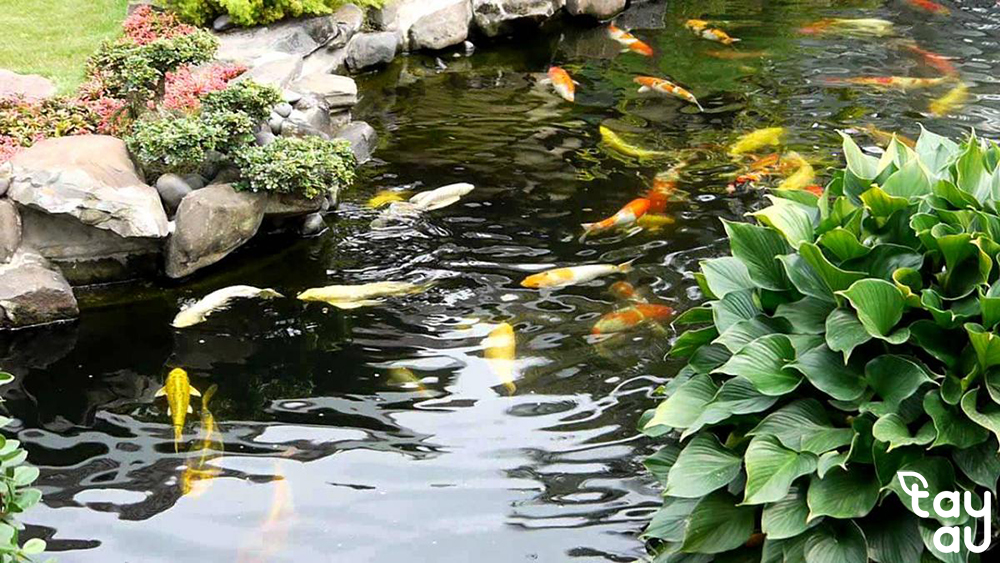
A koi pond is not only a refined hobby but also an important part of feng shui art. Keeping koi fish requires careful maintenance to sustain an ideal living environment for the fish. Koi pond probiotics play an extremely important role in maintaining ecological balance in the koi pond. They participate in the decomposition of organic matter, processing fish waste, and removing harmful substances like ammonia and nitrite, thereby keeping the pond water clean and safe for the fish. Maintaining a healthy probiotic system in the koi pond not only protects the health of the fish but also keeps the pond clear and beautiful.
The Importance of Koi Pond Probiotics
Decomposing Organic Waste
One of the main roles is decomposing organic waste. During fish keeping, leftover food, fallen leaves, and fish waste accumulate at the bottom of the pond. If not managed promptly, this can lead to water pollution. Probiotics help decompose these organic substances, converting them into harmless compounds like nitrate, thus keeping the pond clean.
Treating Ammonia and Nitrite
Ammonia and nitrite are two harmful substances produced from the decomposition of fish waste and leftover food. When ammonia and nitrite levels rise, they can harm the fish’s health, reduce their resistance, and lead to dangerous diseases. Probiotics can convert ammonia into nitrite and then further convert nitrite into nitrate, a less toxic form, helping to maintain a safe water environment for the fish.
Balancing the Ecosystem
Probiotics act as part of the ecosystem in the koi pond. They help maintain the balance of chemical factors in the water, control the growth of algae and other harmful microorganisms. A healthy probiotic system helps prevent algae outbreaks, keeps the pond water clear, and reduces unpleasant odors.
Common Types of Probiotics Used in Koi Ponds
Probiotics for Decomposing Pond Sludge
Pond sludge is where a lot of organic waste accumulates and is an ideal environment for harmful bacteria to grow. Probiotics for decomposing pond sludge help break down the organic matter in the sludge, prevent the formation of toxic gases, and reduce water pollution. This type of koi pond probiotic is typically used regularly to keep the pond bottom clean and free of dirt accumulation.
Probiotics for Water Treatment
This type of koi pond probiotic is added directly to the pond to enhance the breakdown of organic matter and treat harmful substances in the water. They help maintain water quality, prevent the growth of algae and harmful bacteria. Water treatment probiotics are often used when the pond shows signs of cloudy water, unpleasant odors, or high levels of ammonia and nitrite.
Koi Pond Probiotics for Nitrate Treatment
Nitrate is the final product of the decomposition of ammonia and nitrite. Although nitrate is less toxic, excessive accumulation can still harm the fish and the water environment. Nitrate treatment probiotics help convert nitrate into nitrogen gas, which evaporates from the pond, thus reducing nitrate levels in the water and keeping the water environment clean.
Tips for Choosing and Using Koi Pond Probiotics
Choosing the Right Probiotic
Selecting the right probiotic for the koi pond is crucial for effective water treatment. When choosing probiotics, consider the pond’s characteristics such as size, fish quantity, and current water condition. There are various types of probiotics available on the market, including those for decomposing pond sludge, water treatment, and nitrate treatment. Depending on specific needs, you can select the appropriate probiotic or combine different types to achieve optimal results.
Using Koi Pond Bacteria Correctly
Bacteria are usually added to Koi ponds in the form of powder, liquid, or tablets. To ensure their effectiveness, you need to follow certain guidelines and instructions provided by the manufacturer:
Regular Addition: Bacteria need to be added regularly to maintain the ecosystem in the pond. Typically, you should add bacteria weekly or monthly, depending on the water conditions and the number of fish in the pond.
Use at the Right Time: The best time to add bacteria is early in the morning or during cooler parts of the day when the water temperature is stable. Avoid adding bacteria on hot, sunny days or when the water temperature is too high, as bacteria can be weakened under these conditions.
Do Not Overdose: Using too much bacteria will not only be ineffective but may also harm the pond’s ecosystem. Always adhere to the recommended dosage provided by the manufacturer.
Considerations When Using Chemicals with Bacteria
Koi pond bacteria are sensitive and can be affected by chemicals. When using bacteria, you should minimize the use of algaecides, disinfectants, or medications for fish. If you need to use chemicals, consult with a specialist to ensure they do not impact the bacteria in the pond.
Steps to Set Up and Maintain Koi Pond Bacteria
Initial Setup of Bacteria
Setting up the initial bacteria for a Koi pond is a crucial step to create an ideal living environment for the fish. Here are the basic steps for establishing bacteria:
Step 1: Prepare the Pond
Before adding bacteria, ensure that the pond is thoroughly cleaned and disinfected. Fill the pond with water and let it settle for a few days before introducing the fish.
Step 2: Add Initial Bacteria
Once the pond is stable, add the bacteria according to the manufacturer’s instructions. This stage is crucial for establishing the foundation for the bacteria to grow.
Step 3: Check Water Quality
After adding the bacteria, you need to regularly check the water quality to ensure that the bacteria are functioning effectively. Key parameters to monitor include pH, ammonia, nitrite, and nitrate levels.
Maintaining the Bacterial System
After the initial bacterial system is set up, you need to maintain it by regularly adding bacteria and frequently checking the water quality. Here are some tips for maintaining the bacterial system:
Regular Addition of Bacteria: The bacterial system needs to be maintained through regular addition. You should add Koi pond bacteria at specific times each week or month to ensure the bacteria remain effective.
Regular Water Changes: Although bacteria can handle waste in the water, you still need to perform regular water changes to remove debris and maintain water quality. However, when changing the water, do it gradually and avoid replacing too much water at once to prevent disturbing the bacterial system.
Control Food Intake: Overfeeding the fish will increase waste and create conditions for harmful bacteria to develop. Therefore, control the amount of food given to the fish and avoid overfeeding to minimize waste.
Common Mistakes When Using Koi Pond Bacteria
Incorrect Use of Bacteria
One of the most common mistakes when using bacteria is not following the manufacturer’s instructions correctly. Using too much or too little bacteria can affect their effectiveness. Always read the instructions carefully and adhere to the recommended dosage.
Not Maintaining the Bacterial System Regularly
Many people often forget to add Koi pond bacteria regularly or only add them when the water is heavily polluted. This not only reduces the effectiveness of the bacteria but also weakens the bacterial system, making it unable to handle the waste in the pond.
Using Chemicals that Harm the Bacterial System
As mentioned above, bacteria are very sensitive to chemicals. Using algaecides, disinfectants, or medications for fish without consulting a specialist can harm or completely destroy the bacterial system in the pond. If chemicals are necessary, ensure they do not affect the bacteria or only use them after consulting a specialist.
Bacteria play a crucial role in maintaining the ecological balance and keeping the Koi pond clean and safe for the fish. Choosing the right type of Koi pond bacteria, using them correctly, and maintaining the bacterial system regularly are key factors for successful Koi pond management. Be aware of common mistakes and avoid unnecessary chemicals to protect the bacterial system in the pond. We hope this article helps you gain more experience and knowledge to create a beautiful and sustainable Koi pond.








