


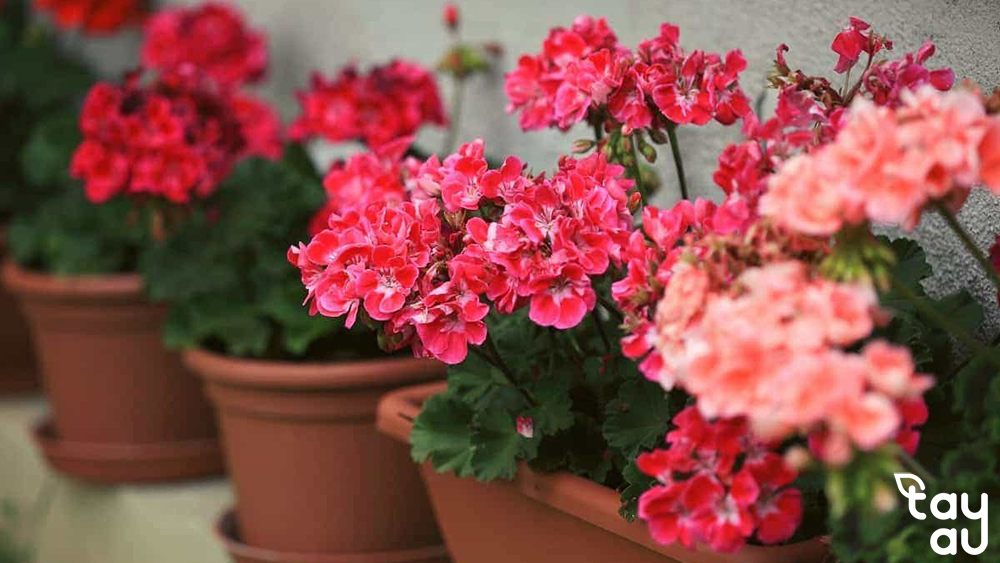
Roses have long been considered a symbol of love and beauty, with their elegant appearance and sweet fragrance. Growing roses in pots not only brings a fresh living space but also allows you to easily manage and care for the plants. However, to ensure that potted roses grow robustly and bloom beautifully, the grower needs to have certain knowledge and experience.
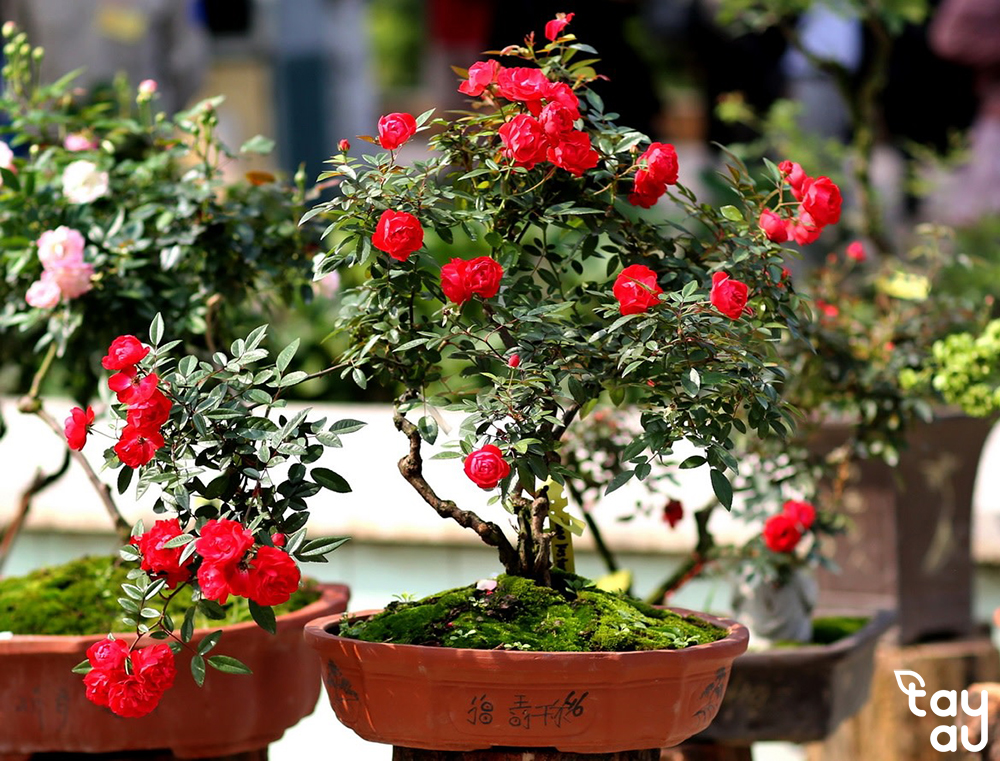
The Wonderful Beauty of Potted Roses
Growing roses in pots is not just a hobby but also an art that brings a refined beauty to any space. Compared to planting roses in the garden, this method requires more meticulousness and higher technique to create an ideal living environment for the plants. However, the result will be vibrant roses blooming throughout the year.
The outstanding advantages of growing roses in pots include:
- Space flexibility: Potted roses are perfect for small gardens, balconies, rooftops, or even interiors. Arranging and moving the pots becomes easy, allowing you to create fresh green corners as desired.
- Environmental control: You can actively adjust soil quality, moisture, light, and nutrients to ensure the plant grows well. This helps limit pests and ensures the roses remain healthy.
- Space optimization: Each potted rose is a small work of art, helping you make the most of your living space and create impressive focal points.
Experience in Growing Roses in Pots
To achieve healthy, thriving potted roses with beautiful blooms, you need to master some essential tips for planting and care.
Choosing the Right Rose Varieties for Pots
Choosing the right rose variety is the first crucial step when deciding to grow roses in pots. Some suitable rose varieties for pots include:
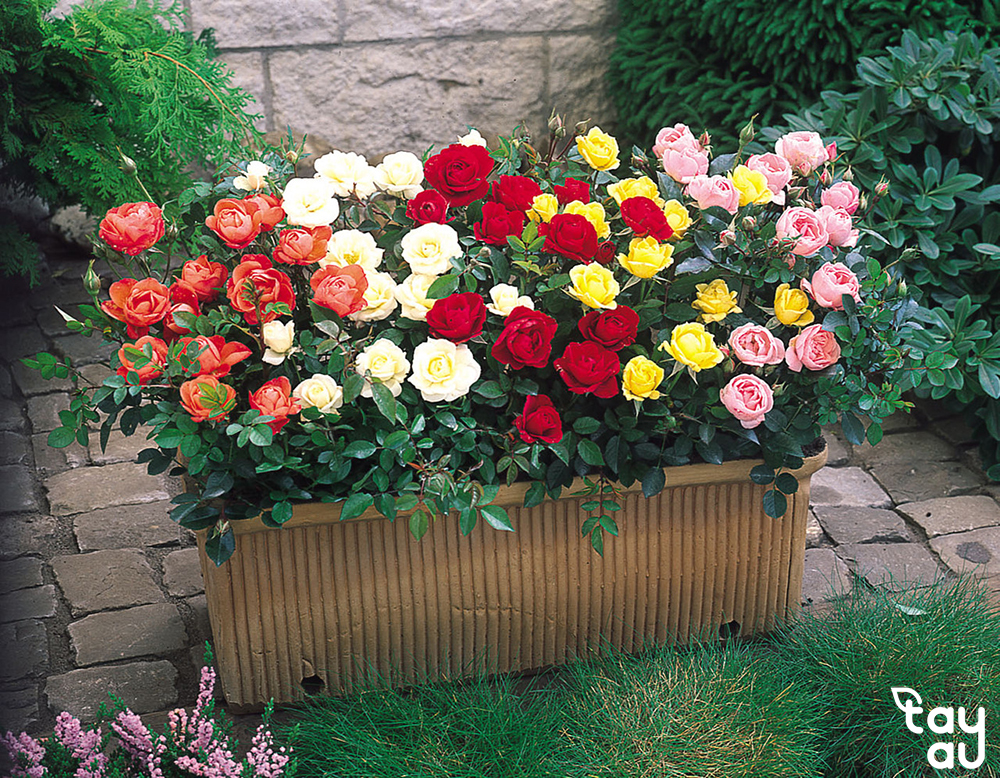
Miniature Bush Roses: Miniature bush roses are compact in size, ideal for pot cultivation. The plants have lush green foliage, small, charming flowers in various colors like red, pink, yellow, and orange. This type of rose is perfect for decorating balconies or rooftops.
Climbing Roses: Climbing roses grow vigorously and quickly, often used to create vibrant floral walls. However, when growing in pots, you need to choose a large pot and provide a trellis support for the plant to grow.
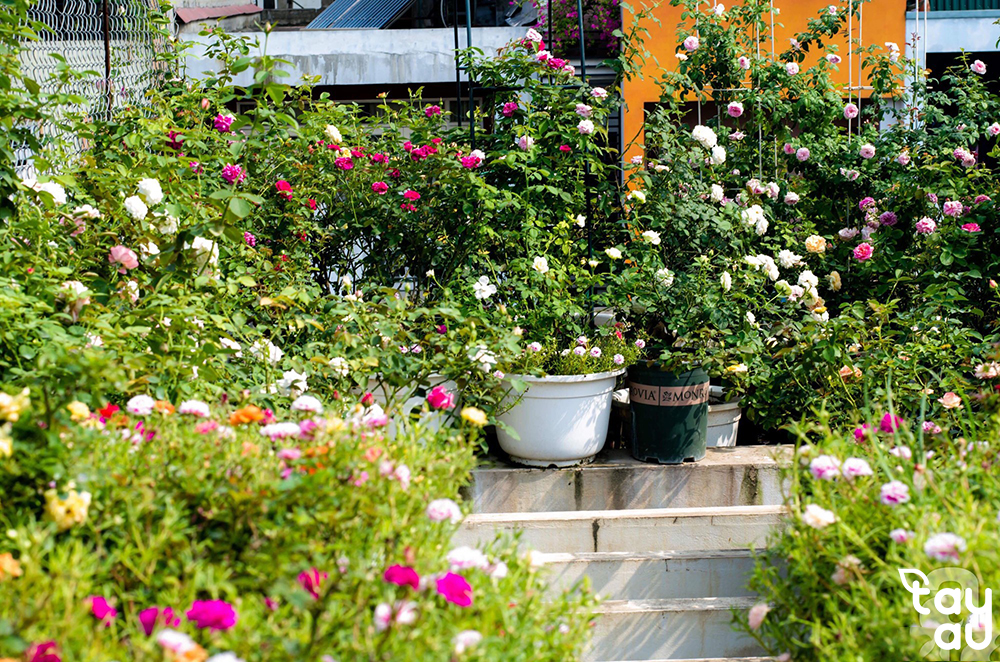
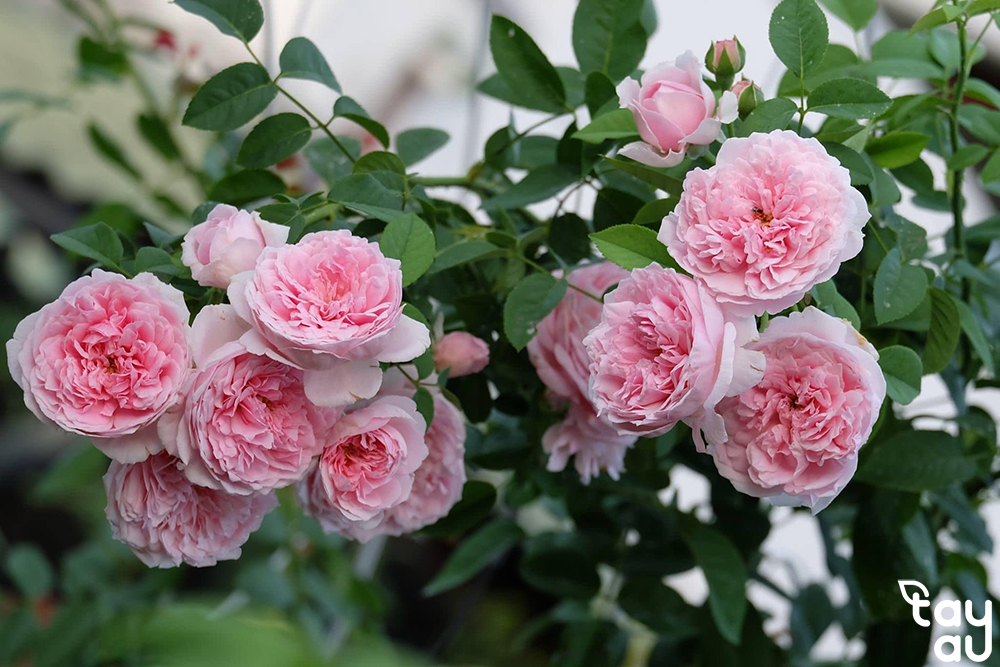
Antique Roses: Antique roses have a fragrant smell and thick petals, blooming into large flowers. This traditional type of rose is suitable for planting in pots in gardens or large balconies.
Imported Roses: Imported roses often have unique and varied colors, large, thick petals, and create a regal beauty. However, they require more meticulous care as they may be sensitive to weather conditions.
Choosing Pots and Soil for Roses
Choosing the Right Pot for Roses
Selecting the right pot for roses is just as important as choosing the variety. Here are some factors to consider when choosing a pot:
- Size: The pot for roses should have a diameter of at least 30-40 cm to provide enough space for the plant to grow. The depth of the pot should also be at least 30 cm to allow the roots to anchor and develop robustly.
- Material: Pots for roses can be made of plastic, ceramic, or clay. Clay pots are often preferred due to their good drainage capabilities, preventing root rot.
- Drainage Holes: Ensure the pot has drainage holes at the bottom to avoid waterlogging, which can lead to root rot and plant death.
Choosing Soil for Planting Roses
Soil is a crucial factor for healthy rose growth. Here are the basic requirements for soil when planting roses in pots:
- Loose and Well-Draining Soil: Roses need loose, nutrient-rich soil with good drainage. You can mix loamy soil with organic compost, well-rotted manure, and sand to create an ideal soil mixture for roses.
- pH Level: Roses thrive in soil with a pH level of 6.0-6.5. You can test the soil pH before planting and adjust it if necessary.
- Fertilizer: Mix organic fertilizer into the soil before planting to provide initial nutrients to the plant. After planting, you should supplement with regular fertilization to ensure the plant receives adequate nutrients.
Techniques for Planting and Caring for Potted Roses
How to Plant Roses in Pots
The first step in planting roses is to prepare the pot and soil. Once you have chosen the rose variety and prepared the soil, you can proceed with planting the rose as follows:
Step 1: Prepare the Pot
Place a layer of gravel or small stones at the bottom of the pot to enhance drainage, then add a thin layer of soil on top.
Step 2: Plant the Rose
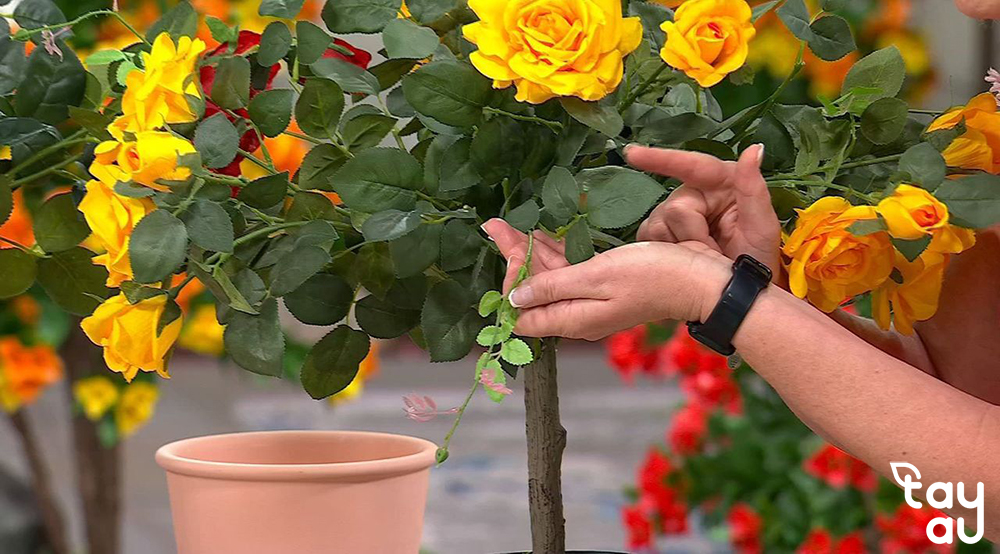
Place the rose plant in the pot so that the root collar (the junction between the stem and roots) is level with the top of the pot. Then, fill the pot with soil and press it down to stabilize the plant. Be careful not to compact the soil too much to allow the roots to grow freely.
Step 3: Watering
After planting, water the plant thoroughly, but avoid overwatering to prevent waterlogging. Watering in the morning or late afternoon is best.
Light and Temperature
Roses need ample sunlight to grow and bloom. Place the potted roses in an area where they receive direct sunlight for 6-8 hours each day. If natural light is insufficient, you can use specialized LED lights to supplement. Regarding temperature, roses grow best in temperatures between 18-25°C (64-77°F). Avoid placing the plant in areas that are too hot or too cold, as this can affect its growth and blooming.
Watering and Fertilizing
Watering: Roses need regular watering, but be careful not to overwater to avoid waterlogging. During the summer, you can water once a day, preferably in the early morning or late afternoon. In winter, reduce the watering frequency to every 2-3 days.
Fertilizing: Regular fertilization helps the plant grow well and bloom consistently. Use organic fertilizers or NPK fertilizers (specific for roses) every 2-3 weeks. Additionally, you can supplement with trace element fertilizers to provide comprehensive nutrition for the plant.
Pruning and Shaping the Plant
Pruning is necessary to maintain the attractive shape of potted roses. You should prune dead branches, weak stems, and spent flowers to help the plant focus its energy on developing new shoots and buds.
Shaping the plant is also important, especially for climbing rose varieties. You can use trellises or ties to guide the plant’s growth as desired, creating stunning floral walls.
Pest and Disease Control for Potted Roses
Roses are often susceptible to various pests and diseases, so timely prevention and treatment are essential. Here are some common diseases and their remedies:
Fungal Diseases: Fungal diseases often occur in damp and poorly lit conditions. Symptoms include white spots on leaves, yellowing, and leaf drop. To prevent this, ensure the plant is grown in a well-ventilated area with adequate sunlight and avoid watering the leaves. If the plant becomes infected, use specialized fungicides to treat it.
Aphids and Spider Mites: Aphids and spider mites are common pests affecting roses. They often attack leaves and young shoots, weakening the plant and hindering blooming. To control them, you can use organic insecticides or homemade solutions like diluted soap sprays.
Yellowing Leaves and Root Rot: Yellowing leaves and root rot often occur due to waterlogging from poor drainage. To prevent this, ensure the pot has good drainage holes and avoid overwatering. If the plant is affected, remove the rotten roots and replant it in a clean pot with fresh soil.
Growing roses in pots is a refined pleasure, bringing a green and colorful living space. However, for roses to thrive and bloom beautifully, growers need to master basic care techniques. We hope this article provides you with valuable knowledge and tips for successfully growing and caring for potted roses, turning your home into a vibrant and fragrant little garden.








