


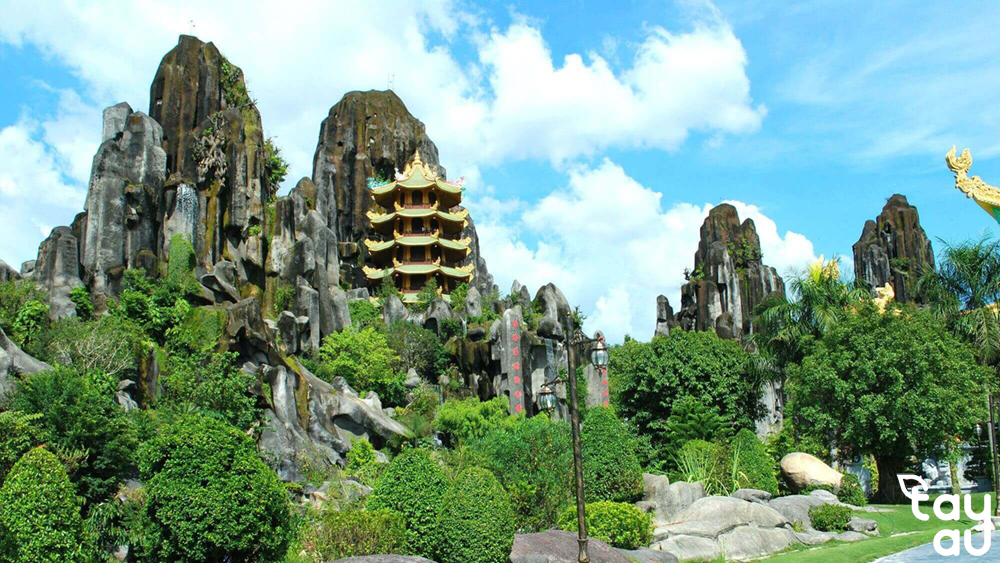
A beautiful garden always provides the homeowner with a relaxing space after the hustle and bustle of life. In addition to ensuring aesthetic factors, feng shui value is also significantly invested by architects, which is reflected in ensuring harmony among the Five Elements: Metal, Wood, Water, Fire, and Earth. Integrating feng shui principles into garden design based on the Five Elements not only creates balance between natural elements and energy but also brings prosperity to the family.

Principles of Garden Design Based on the Five Elements
The garden is an important part that contributes to the beauty and feng shui of a house. Therefore, when you carefully study and apply garden design principles based on the Five Elements, you will appreciate your beloved home more and experience greater luck in your work. However, in the garden, there are many plants arranged, which naturally belong to the Wood element, but due to different colors and shapes, they may also embody other elements. Thus, it is necessary to distinguish and coordinate the elements well.
Since ancient times, small gardens designed to be feng shui compliant have been based on the Five Elements principles: Metal (Metal), Wood (Plants), Water (Water), Fire (Fire), Earth (Earth). Even if your house has a small area, with a compact space and reasonable arrangement, feng shui can still bring significant benefits to the homeowner and all family members.
Metal
The Metal element in the Five Elements corresponds to the energy of autumn and the west direction. Items in the garden that you can use to symbolize Metal include:
- Decorative statues made of bronze or metal.
- Fish ponds, metal ponds.
- Tables, chairs, and objects like spheres and columns made of metal.
- Resting areas with dome-shaped architecture.
- Iron gates and decorative patterns on fences and gates.
- Some plants like pennywort, wormwood, mint, or flowers like chrysanthemums, roses, lilies, and daffodils.
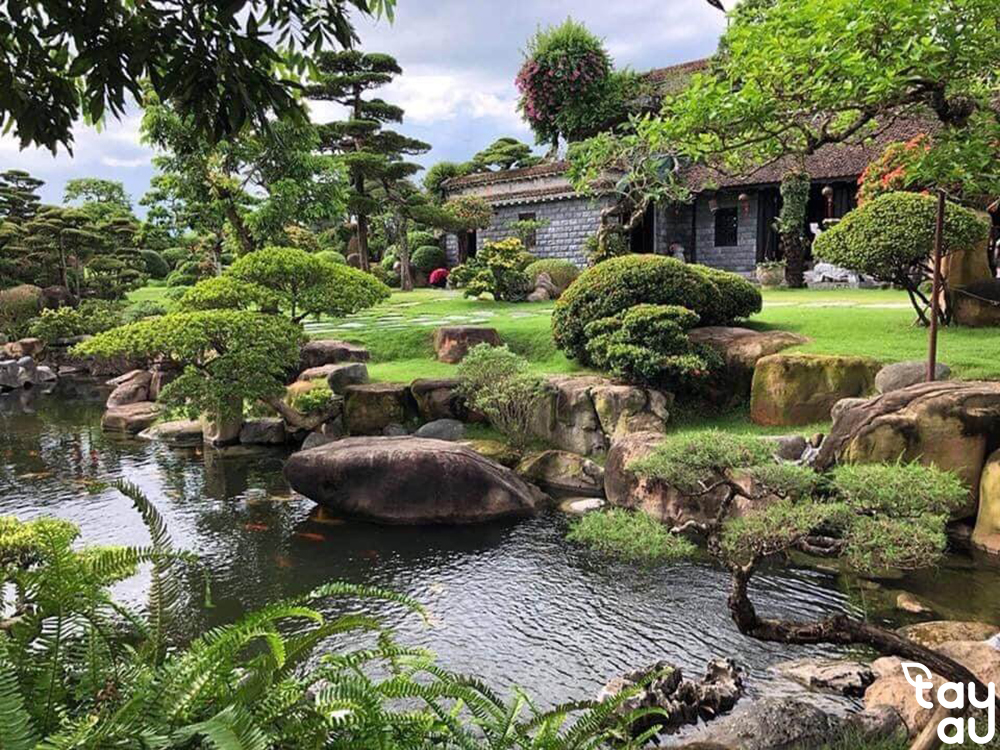
Wood
The Wood element in the Five Elements represents spring and the east direction. Common items in the garden that embody Wood energy include:
- Tables, chairs, floors, fences, and columns made of wood.
- Plants symbolizing Wood are usually evergreen plants like pine trees, cypress, and willow trees…
- Rectangular-shaped flowers such as camellias, hydrangeas…
- Plants with thick, green leaves like roses, pine grasses, and pointed leaves.
In Five Elements garden design, whether your garden is large or small, planting ornamental plants and flowers greatly contributes to your quality of life. A beautiful landscape and harmonious relationship between humans and nature will create a comfortable and relaxing atmosphere for the homeowner.
Water
Water in the Five Elements corresponds to the energy of winter and the north direction. Items representing the Water element are often related to water, such as:
- Koi ponds, fountains, waterfalls with flowing streams.
- Swimming pools, spas, or outdoor showers.
- Plants representing Water with deep green colors such as violets, impatiens, and mint.
- Other garden plants like magnolias, silver birch, and honeysuckle.
Water flows with energy, circulating, reflecting, and attracting everything from the universe. Thus, the Water element attracts and draws energy, wealth, and luck, which can be applied in garden feng shui.
Fire
In feng shui, Fire corresponds to summer and the south direction. Items in the garden that symbolize the Fire element include:
- Grills or outdoor cooking equipment
- Plants or flowers with red colors or pointed leaves
- Plants with triangular shapes such as pine, cypress, phoenix, red-leaf plum…
- Spice plants commonly used like chili peppers, garlic, shallots, fennel, asparagus…
- Flowers like: begonias, red roses, peonies, wild pineapples, tulips, daffodils, irises, bananas, gladiolus to add the Fire element to the garden.
Fire is a very strong element in the Five Elements, so it must be harmonized with the other elements. When designing a garden based on the Five Elements, excessive use can create feelings of anger and frustration, making the garden no longer a relaxing place for the homeowner.

Earth
Earth corresponds to the energy from summer to autumn. Additionally, Earth also appears in the central space of the garden. The southwest and northwest directions are the best. Items in the garden that symbolize Earth include:
- Bricks, stones used for bridges, rockeries, and tiled roofs for resting areas
- Paths leading to the house or garden paved with bricks
- Green plants in the garden such as sweet grass like rosemary, sage…
- Yellow flowers such as chrysanthemums, marigolds, evening primrose.
The Earth element serves as the foundation that guides air circulation, nurtures, and regenerates everything in the garden area. These are all elements that bring joy and happiness to your garden.
Garden Design Based on the Five Elements in Feng Shui
When designing a garden based on the Five Elements, understanding the principles of the Five Elements will help you create a garden that meets your desired feng shui. The harmonious balance of heaven and earth will provide you with a comfortable and peaceful living space. Feng shui for the garden will bring many benefits not only to you but also to all family members.
Metal Element
The Metal element suppresses Wood, but Wood is an important and fundamental element in small garden landscapes. However, this does not mean it should be omitted. White walls, metal frames, and pergolas, even white furniture will add the Metal element to a garden that is too dense, brightening a space that tends towards Yin due to the many shadows and creating surfaces that reflect light better than dark-colored objects.
Wood Element
The characteristic color of the Wood element is shades of green, ranging from green to green… Incorporating the Wood element in the garden is reflected through the presence of various plants with different shapes, colors, and arrangements. Green plants in the garden should be interwoven from low to high to create a flowing visual effect. Additionally, choosing colors for different types of plants and flowers to attract attention can prevent the garden space from feeling dull and monotonous.

Water Element
In the Five Elements, Water nourishes Wood very well. Therefore, incorporating the Water element in the garden landscape is necessary and has significant feng shui implications. The Water element is represented by the presence of water-containing features such as ponds, fish tanks, and rockeries. The characteristic colors of the Water element are dark blue and black. Therefore, you can design a garden with Water elements by painting wood in black, navy blue, etc.
Fire Element
Plants with pointed leaves or colors characteristic of red, orange, pink, purple (flowers, leaves, fruits) all belong to the Fire element and serve as highlights, creating warmth and positivity in the space. Therefore, if the homeowner is aligned with the Fire element, these elements should be included in the garden landscape. Additionally, create some backdrop areas to emphasize the Fire element, for example, by arranging a white or yellow stone wall (Metal, Earth) and combining it with water features (Water) to reduce the Fire element if it is too abundant.
Earth Element
This can also be considered an important and necessary element for a small garden landscape. The characteristic colors of Earth are: yellow, brownish yellow, stone colors… Building materials and finishing surfaces in the garden such as gravel, stones, concrete slabs, tiles all have colors belonging to the Earth element. Earth needs to ensure the authenticity of materials to effectively neutralize the Qi field for the garden.
Factors to Consider When Designing a Garden Based on the Five Elements
In the Five Elements, some factors complement each other while others are opposites. Therefore, when designing a garden based on the Five Elements or placing decorative items, you need to avoid placing conflicting energy items next to each other.
Items corresponding to Earth should be placed near Metal and away from items corresponding to the Water element. Additionally, Earth should not be placed near Wood as it will diminish the positive energy from Earth.
Water elements need to be kept in continuous motion to avoid stagnation. Furthermore, Water should be placed near Wood or Metal as they complement each other. Avoid placing Earth elements close to Water.
Wood elements placed near Fire will benefit this element. But avoid placing Metal far from Wood.
Plants belonging to the Fire element should be sparsely planted and will look better when combined with dark green-leaved plants.

Feng Shui is an essential factor in your living space. Prosperity will always be complete when homeowners apply the feng shui principles of designing gardens based on the Five Elements. Therefore, do not let basic mistakes affect your entire home. If you are still concerned about how to design your garden appropriately, please contact us for more specific and detailed advice. Tây Âu Landscape hopes the above information will provide you with additional knowledge to help arrange your garden in accordance with feng shui principles and the Five Elements.








