


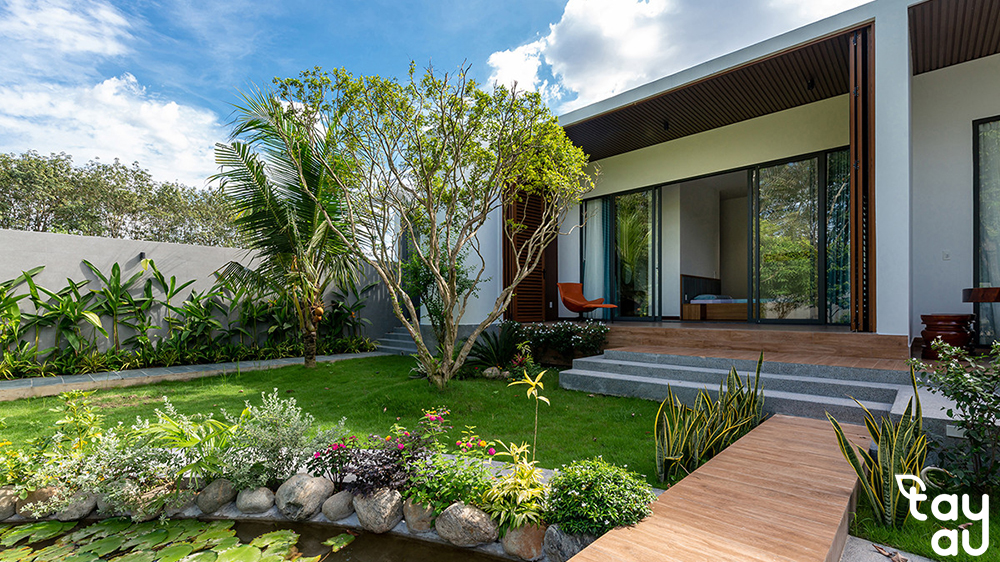
When designing a garden, lighting is a crucial factor, not only affecting plant growth but also creating a beautiful and pleasant space. However, we do not always have a space bathed in sunlight. In many cases, designing a garden for low-light spaces is a significant challenge. In this article, we will explore garden design solutions specifically for low-light environments, helping you create a beautiful and livable garden even when sunlight is not a strong feature of the area.
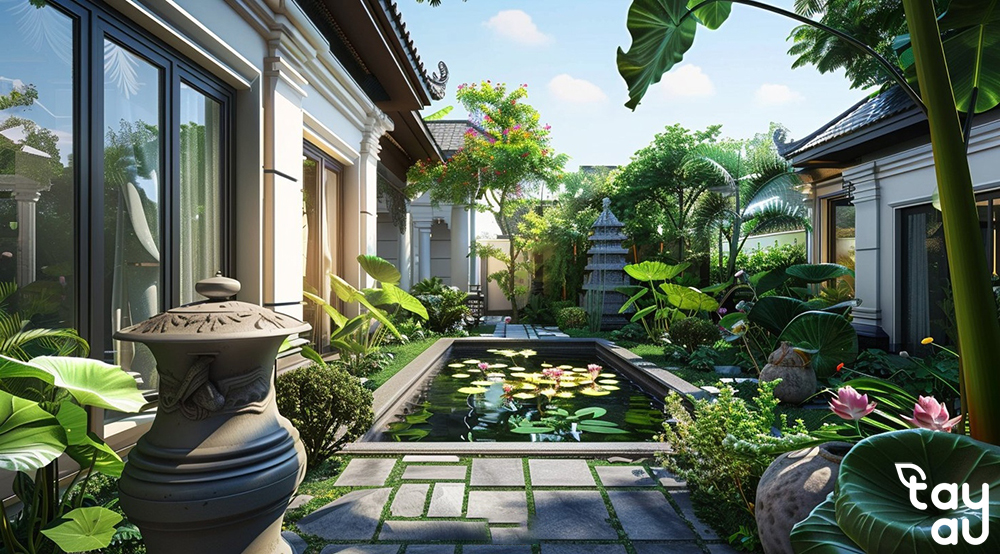
Why is it necessary to design a garden for low-light spaces?
When designing a garden, lighting is an important factor influencing plant growth. Light helps plants photosynthesize, create energy, and grow healthily. In low-light spaces, it is challenging to provide sufficient light for plants, which can lead to slow growth or even death.
Addressing Poor Lighting Conditions
Many gardens do not receive enough sunlight due to factors such as large trees, tall buildings, or the orientation of the house. This can affect plant development and make the space gloomy. Designing a garden for low-light spaces helps make the most of the available light and improves the vitality of the garden.
Creating a Comfortable Living Space
A beautiful garden is not only a place for plants but also a space for relaxation and entertainment. Designing a garden for low-light spaces helps turn this area into a comfortable and pleasant living space, even when sunlight is insufficient.
Increasing Property Value
A well-designed garden, even in low-light conditions, can increase the value of a property. A beautiful and functional garden not only enhances the value of your home but also makes a positive impression on visitors.
Important Factors in Designing a Garden for Low-Light Spaces
One of the simplest and most effective ways is to choose plants that can tolerate low-light conditions.
Choosing the Right Plants
This is an important factor, and here are some plant types suitable for low-light areas:
- Snake Plant: One of the most popular plants for low-light spaces. This plant is not only easy to grow but also has excellent air-purifying properties and can tolerate low light, even fluorescent lighting.
- Money Plant: A popular feng shui plant that can tolerate low light and thrive in office environments or interior spaces with minimal natural light.
- Pothos: This climbing plant is easy to care for and thrives in low-light conditions. It not only adds greenery but also has effective air-purifying abilities.
- Parlor Palm: An indoor plant that can thrive in low-light conditions. It has lush green leaves, creating a fresh and airy feeling in the living space.
Creating Artificial Lighting
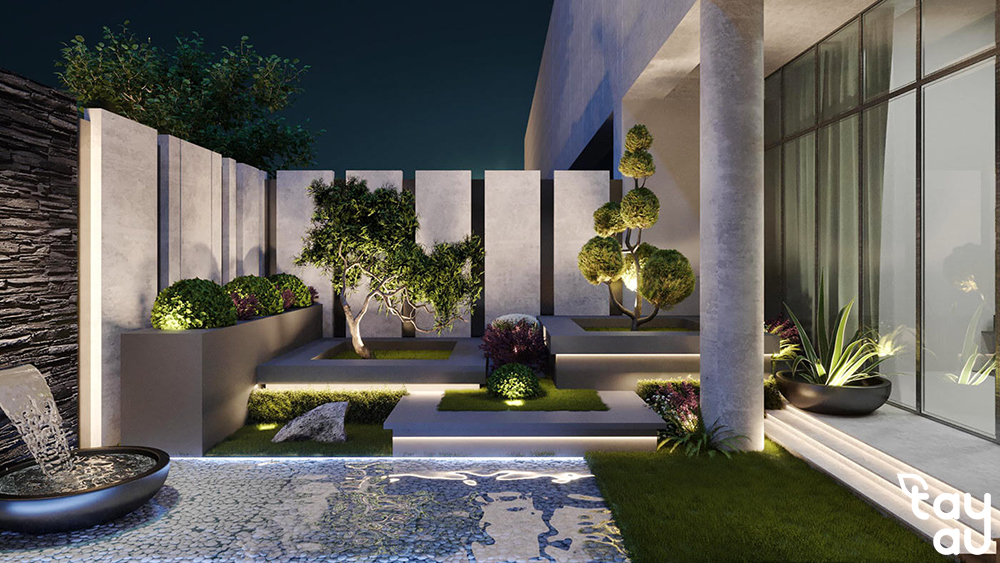
When designing a garden for a low-light space, artificial lighting is an effective solution. You can use LED lights, solar-powered lights, or specialized lighting to add more light to the garden. This not only helps plants grow better but also creates a beautiful and impressive space at night. Mirrors can be used to reflect natural light into the darker areas of the garden. This enhances the light and creates a sense of a larger space. LED lights designed specifically for plants can provide adequate light for photosynthesis. You can install LED lights in necessary positions so that plants can thrive in low-light conditions.

Using Bright Colors
Color also plays a crucial role in brightening up a space. Using bright and vivid colors for elements like paving stones, plant pots, and decorations can create a more airy and vibrant feeling in a dark area.
Place plant pots near windows, balconies, or other sources of natural light to maximize the amount of light the plants receive. You can also use thin curtains to enhance light without harming the plants.
Creating Texture Changes
To add interest to your garden, you can combine different elements such as lawns, decorative stones, and pathways. Creating texture changes helps make your garden more dynamic and attractive, even when light is not a strong point.
By arranging plants in different layers, you can make the most of the available light. Place taller plants in areas with the most light, while shorter plants can be positioned in the less lit areas.
Effective Design Tips for Low-Light Spaces
Designing a garden for a low-light space requires special attention to ensure that plants grow healthily. Here are some useful tips:
Assess the Light Levels
Before starting the design, assess the light levels in the area. Identify which areas receive more light and which are completely dark. This will help you choose the right plants and materials. Plants grown in low-light conditions typically need less water than outdoor plants. You should check soil moisture regularly and water only when necessary to avoid waterlogging.
Select the Right Plants
Choosing the right plants is crucial to creating a beautiful and healthy garden in a low-light space. Ensure that the plants you select can tolerate shade and require minimal care. Pruning dead or old leaves helps the plant focus nutrients on new leaves and the main stem. Regular pruning also helps keep the plant looking tidy and aesthetically pleasing. Plants in low-light conditions usually need less water than outdoor plants. You should check soil moisture frequently and water only when necessary to avoid overwatering.
Using Artificial Lighting Solutions
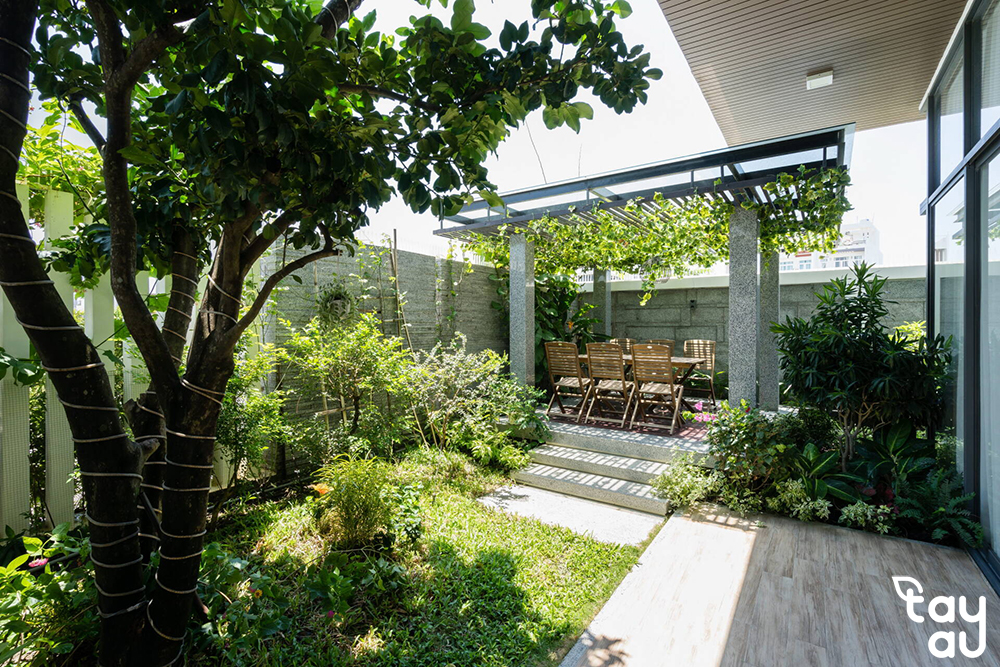
Placing plants incorrectly can reduce the effectiveness of light and make it difficult for the plants to thrive. Arrange plants to make the most of the available light. Creating artificial lighting is an effective way to improve lighting conditions for plants. Use LED lights or solar-powered lights to provide the necessary light when designing a garden for a low-light space, especially at night.

Ensure Good Drainage
For low-light areas, ensuring good drainage is very important. Moist soil can cause fungal problems and damage plants. Use an effective drainage system to keep the soil dry and healthy. Although plants need light to grow, ventilation is also crucial. Make sure the garden space is well-ventilated to avoid mold or oxygen deficiency, especially in low-light areas.
Why Choose Tây Âu Landscape as a Trusted Partner?
Choosing a reputable and experienced partner for garden design is crucial, especially when facing the challenges of low-light spaces. Tây Âu Landscape is a top choice for designing gardens in low-light conditions. Tây Âu Landscape has in-depth knowledge of plants that can tolerate low light. They know how to select and care for plants suitable for poor lighting conditions and provide alternative solutions such as specialized LED lights to support plant growth. This ensures that your garden remains lush and healthy.
The company stands out for its ability to design gardens with a refined approach, harmonizing aesthetic and functional elements. When designing for low-light spaces, Tây Âu Landscape not only selects appropriate plants but also optimizes plant arrangement to maximize light utilization. Their creative design solutions ensure that the space remains green and attractive even with limited natural light. With a commitment to quality and deadlines, Tây Âu Landscape strives to complete projects on time and to the highest standards. They use modern equipment and advanced construction methods to ensure that your garden is not only beautiful but also durable over time.
Designing a garden for a low-light space is a significant challenge, but with the right solutions and ideas, you can create a beautiful and functional garden even in limited light conditions. By selecting the right plants, using artificial lighting, and incorporating decorative elements, you can transform a dark space into a lush and comfortable garden. Contact Tây Âu Landscape to start creating your ideal living space today!








