


Office Architecture today is not just about arranging space for work, but also a factor that directly influences creativity, work productivity, and employee morale. An ideal workspace needs to ensure aesthetics, functionality, comfort, and flexibility. In this article, we will explore the design principles and modern office architecture trends, particularly how to optimize office space to boost work performance.

Concept of Office Architecture
Office architecture is the process of designing and constructing a workspace, including arranging functional areas such as meeting rooms, common work areas, reception areas, and other amenities like dining rooms and employee recreation zones. The goal of office architecture is not only to create a favorable work environment but also to enhance employee relationships, encourage creativity, and ensure the sustainable growth of the business.
A well-designed office not only attracts and retains talent but also helps businesses optimize operational costs while maintaining a positive and dynamic work environment.
Benefits of Modern Office Architecture Design
Boosting Creativity and Productivity: A well-designed workspace enhances creativity and employee productivity. Open spaces, ample natural light, and comfortable work areas help reduce stress while allowing employees to maximize their potential.
Attracting and Retaining Talent: A modern and professional office makes a great impression on potential candidates. Especially in creative or tech industries, an ideal work environment is a crucial factor in attracting and retaining talent.
Optimizing Operational Costs: A rational office design not only creates an efficient working environment but also helps businesses optimize operational costs. Utilizing natural energy, sustainable materials, and smart technology reduces long-term costs for electricity, water, and maintenance.
Design Criteria for an Appealing Office Architecture
To create an attractive workspace that stimulates creativity and enhances work efficiency, the following elements should be considered:
Work Space: Office design should focus on creating a beautiful, comfortable, and professional workspace in terms of architecture, layout, and furniture, leaving a good impression on clients and partners, while also improving employee productivity.
Industry Characteristics: Another important factor to consider when designing office architecture is the specific needs of the industry, including the number of employees and other job requirements, to develop the most suitable design plan.
Luxury, Convenience, and Comfort: If the office design is luxurious, convenient, and comfortable, it will help employees move and work more efficiently. With these elements, tasks will be completed quickly and work performance will be higher.
Principles of Office Architecture Design
Functionality
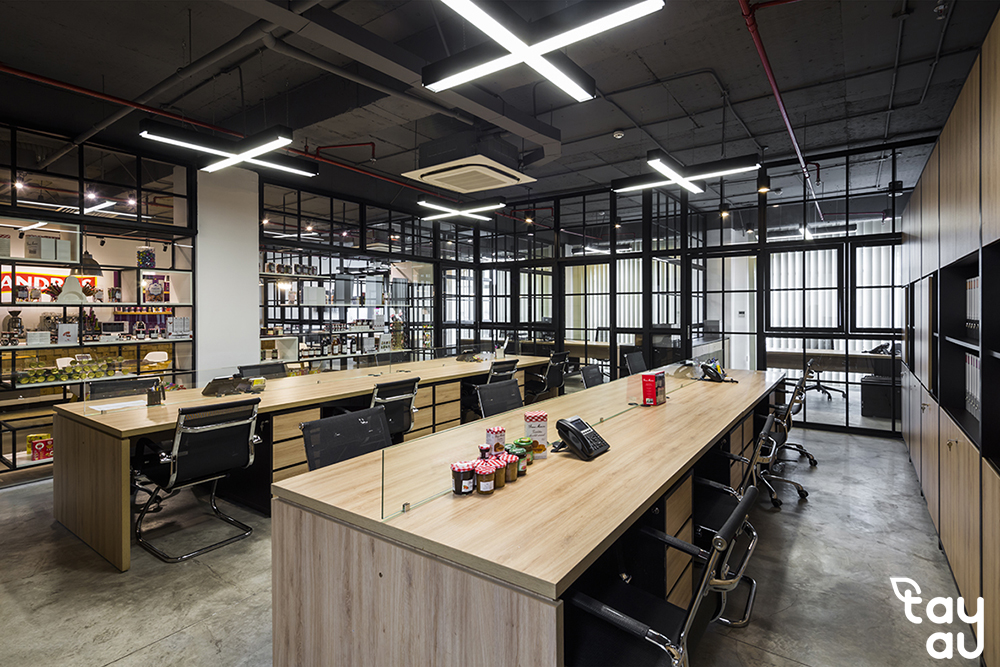
In office design, functionality is the most important factor. The office must be arranged logically, ensuring that all functional areas maximize their effectiveness. The workspace should be organized to facilitate daily activities, such as movement, communication, and collaboration among employees.
Flexibility
Modern office architecture requires a high level of flexibility. Businesses can adapt their office spaces to meet changing organizational needs. Office designs should anticipate potential expansions or contractions when necessary. This allows the office to easily adapt to changes in the business and technology.
Creating Open Spaces
Open spaces are becoming a trend in modern office design. Not only do they save space, but open spaces also foster connections between departments, facilitate easy information exchange, and boost team spirit. Open layouts also optimize natural light, reduce electricity costs, and create a more open, comfortable environment.
Privacy and Focus
While open spaces offer many benefits, privacy remains essential. Offices need to have private areas for tasks that require high levels of concentration, such as closed meeting rooms or private offices for executives. Balancing open space with private areas is crucial in office design.
Aesthetics
An office is not only a place to work but also represents the company’s image. Therefore, office design needs to be highly aesthetic to leave a good impression on clients, partners, and employees. The color scheme, materials, furniture layout, and decorative elements should be harmonious, creating a professional yet friendly working space.
Trends in Modern Office Architecture
Open and Flexible Workspace Architecture
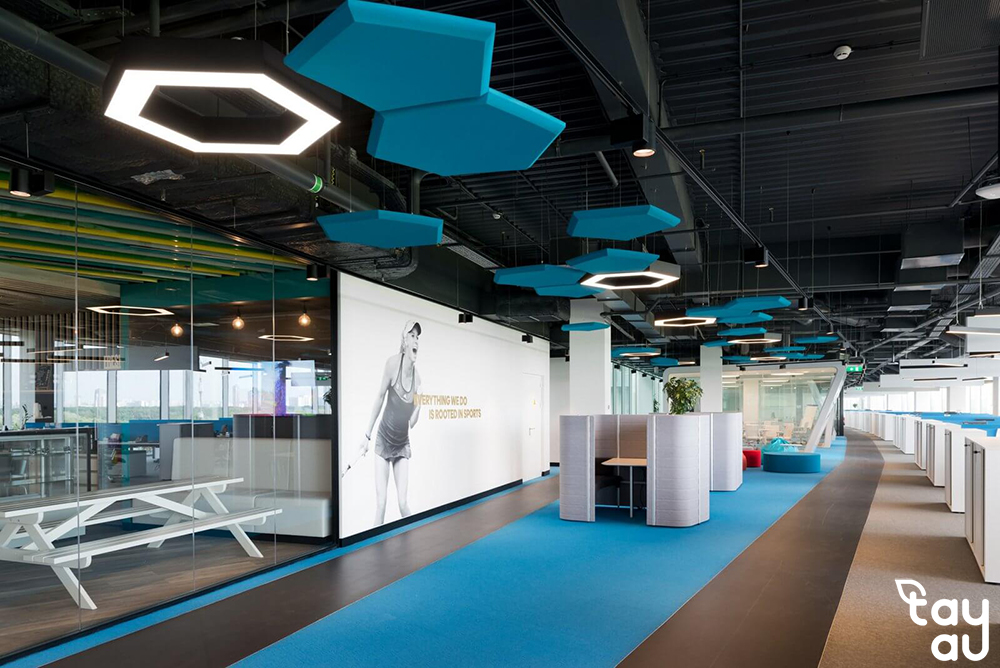
Open office design is a modern style that eliminates clear divisions between different areas and departments. Instead of walls or partitions, semi-open walls are used to create functional spaces, offering a large communal working area for employees. This design emphasizes minimalism and open space, enhancing communication and interaction among company members.
Flexible designs allow office layouts to change easily according to work needs. Workspaces can be divided or expanded to suit various activities, making this model ideal for businesses that frequently adjust in size or have multiple projects requiring flexibility.
Green Office Architecture
The trend of incorporating greenery and natural elements into office spaces is increasingly popular. A green office not only provides a comfortable working environment but also improves air quality, reduces stress for employees, and contributes to environmental protection. Green office designs often use plants, living walls, and eco-friendly materials like wood and bamboo for decoration.
Home-Inspired Office Architecture
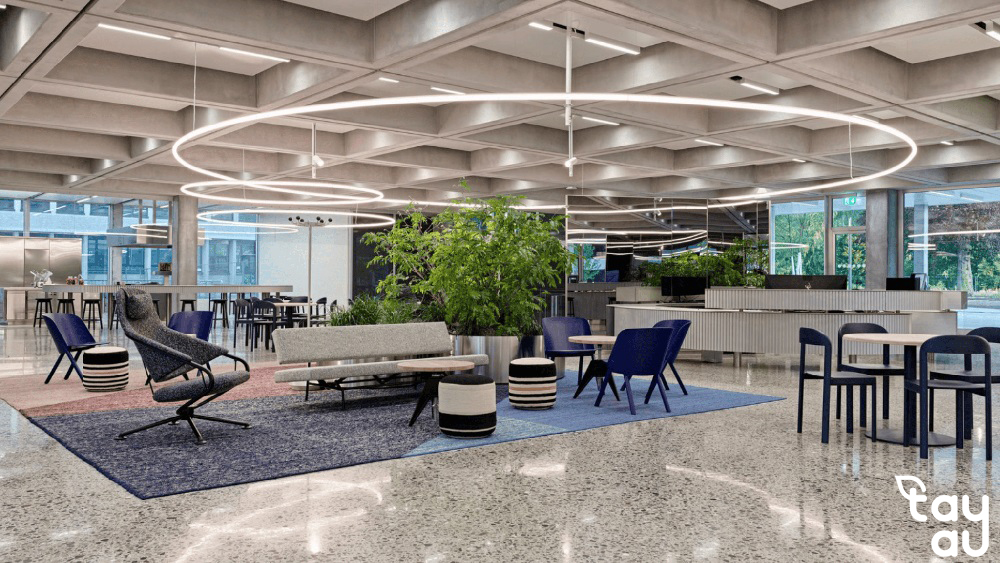
With the rapid advancement of technology and the busy pace of life, many people do not have enough time to enjoy home life. A home-like office design gives employees a warm, joyful, and comfortable feeling, strengthening the connection between work and personal life. This trend also supports remote work or using spaces outside the traditional office. It inspires employees to spend more time in the office, increasing their productivity and encouraging them to stay longer.
European Classical Office Architecture
Classical office design applies classical design principles and furniture to create a beautiful and sophisticated office space. From molded details to the arrangement of furniture and lighting, everything retains the beauty of European art. The distinctive feature of this style is the use of wood materials to create a warm and luxurious feel for the office space. Additionally, this style uses warm or brown-gold tones to enhance the sophistication of the space.
Smart Technology Utilization
Technology plays an increasingly important role in modern office architecture design. Smart offices integrate IoT (Internet of Things) devices to automate activities such as adjusting lighting, temperature, and sound. Smart technology systems not only make office operations more efficient but also provide convenience and comfort for employees.
Creative Workspace
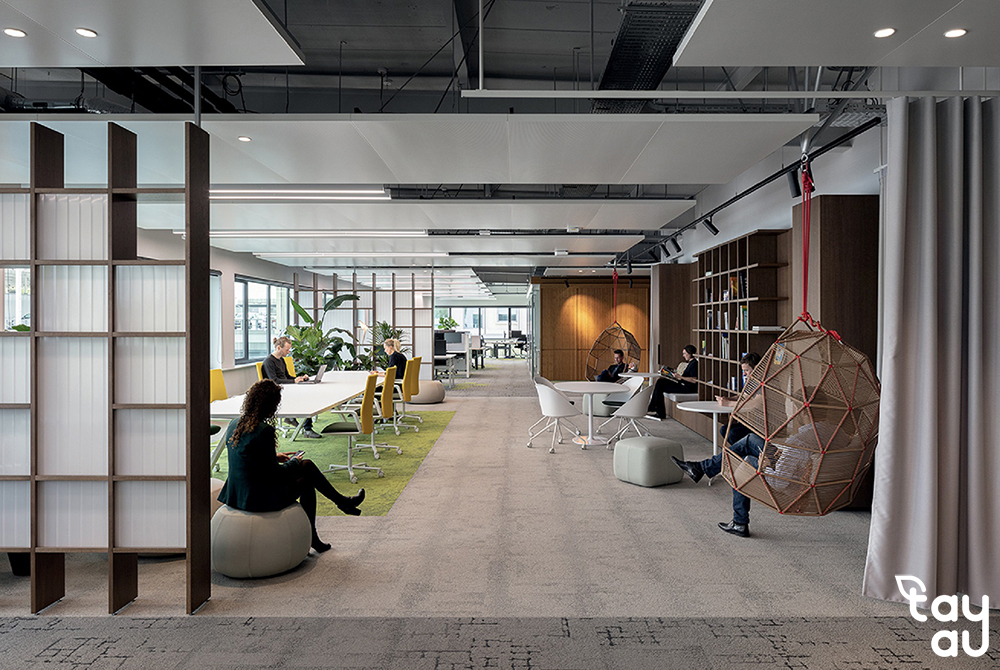
For creative companies, the workspace needs to foster creative thinking and innovation. Creative office designs often feature expansive open spaces, group work areas, and recreational zones where employees can relax and exchange ideas comfortably. This helps improve work morale and encourages employees to come up with breakthrough ideas.
Minimalist Office Design
Minimalist office design focuses on eliminating unnecessary elements, keeping only basic furniture and decoration. This not only creates a spacious, tidy feel but also helps employees focus more on their work. Key elements like natural lighting, soft colors, and simple furniture are standout features of this style.
Office architecture design is a crucial factor that directly impacts the development and success of a business. A modern, aesthetic, and flexible office not only improves work productivity but also creates a professional image for the business. Therefore, investing in office architecture is not just investing in the workspace but also investing in the sustainable future of the company.
European Classical Office Architecture
Classical office design applies classical design principles and furniture to create a beautiful and sophisticated office space. From molded details to the arrangement of furniture and lighting, everything retains the beauty of European art. The distinctive feature of this style is the use of wood materials to create a warm and luxurious feel for the office space. Additionally, this style uses warm or brown-gold tones to enhance the sophistication of the space.
Smart Technology Utilization
Technology plays an increasingly important role in modern office architecture design. Smart offices integrate IoT (Internet of Things) devices to automate activities such as adjusting lighting, temperature, and sound. Smart technology systems not only make office operations more efficient but also provide convenience and comfort for employees.
Creative Workspace
For creative companies, the workspace needs to foster creative thinking and innovation. Creative office designs often feature expansive open spaces, group work areas, and recreational zones where employees can relax and exchange ideas comfortably. This helps improve work morale and encourages employees to come up with breakthrough ideas.
Minimalist Office Design
Minimalist office design focuses on eliminating unnecessary elements, keeping only basic furniture and decoration. This not only creates a spacious, tidy feel but also helps employees focus more on their work. Key elements like natural lighting, soft colors, and simple furniture are standout features of this style.
Office architecture design is a crucial factor that directly impacts the development and success of a business. A modern, aesthetic, and flexible office not only improves work productivity but also creates a professional image for the business. Therefore, investing in office architecture is not just investing in the workspace but also investing in the sustainable future of the company.








