


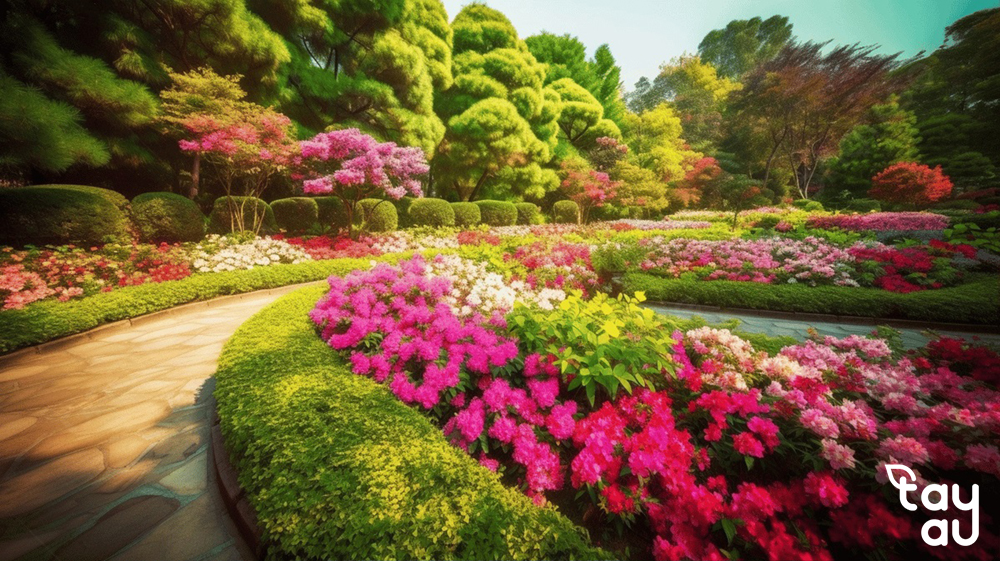
Designing garden planters is the perfect solution to enhance your living space with freshness, vibrancy, and attraction, contributing to improving the quality of life for your family. However, there are many design styles, diverse planter models, and construction materials to consider. So how do you make the right choice, are there any tips before designing? Let’s explore with Tây Âu Landscape!

Why design garden planters?
Garden planters offer many benefits and play a crucial role, including:
Enhancing the beauty of your home
Front yard planters act as attractive focal points, creating liveliness and leaving a lasting impression on the facade of your home. A well-designed planter harmonizes with the architecture and surrounding landscape, adding elegance, sophistication, and a closer connection to nature to your living space. The vibrant colors of flowers and lush green foliage will catch everyone’s eyes, making your home stand out and more inviting than ever.
Purifying the air, promoting health
Plants and flowers in garden planters have the ability to filter dust, absorb CO2, and release oxygen, contributing to improving the air quality around your home. As a result, you and your family can enjoy fresh, cool air that is beneficial for both physical and mental health.
Relaxation and life enrichment
Taking care of planters, planting and nurturing green sprouts will bring you wonderful moments of relaxation, helping to relieve stress, dispel fatigue, and enrich your enjoyment of life. Witnessing the growth of plants stimulates creativity, providing positive energy and a love for life.
Creating a good impression and attracting positive energy
Front yard planters are not only aesthetic highlights but also play an important role in feng shui. Properly arranged planters that balance yin and yang energies can bring luck, prosperity, and positive energy to homeowners. Guests visiting your home will be impressed by the lush, vibrant green space and will appreciate the meticulous care you put into your planters.
Construction materials for garden planters: Creating impressive highlights suitable for every style
Choosing the right materials is crucial for creating beauty and durability in garden planters. Here are some suggestions for common materials used in building garden planters:
Tiles, bricks, stones, and pebbles:
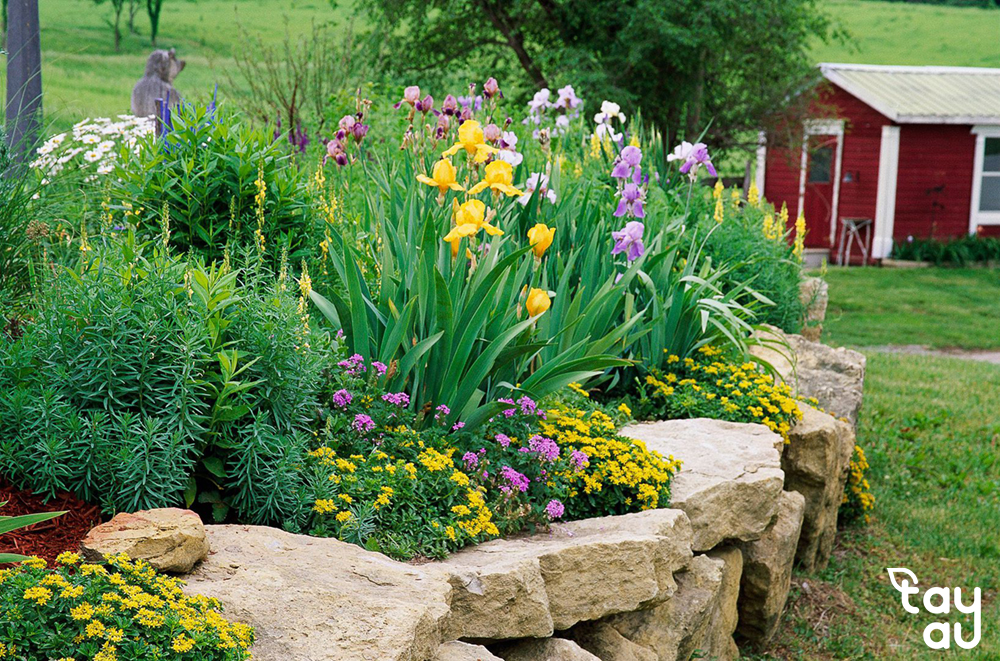
- Tiles and bricks offer flexibility in design, allowing you to easily shape planters according to your preferences, whether round, square, rectangular, oval, or softly curved.
- Stones and pebbles create a natural, rustic beauty and durability for planters, enhancing the elegance and attraction of the garden.
Wood and recycled materials:
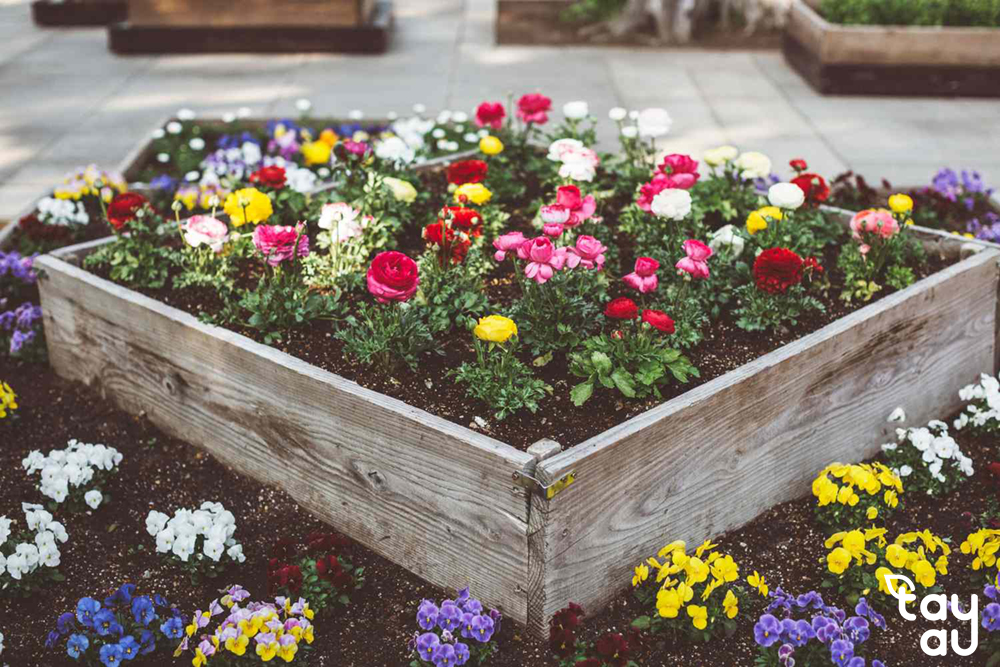
- Wooden planks are used to design planter frames, providing warmth and a closer connection to nature. Wood can be easily processed, shaped, and suitable for various design styles.
- Recycled materials such as plastic containers, for example, foam boxes, offer cost-saving solutions that are environmentally friendly. You can transform seemingly discarded materials into unique and creative planters.
Considerations for choosing suitable materials:
- Choosing the construction materials for flower pots should depend on various factors such as desired design style, family’s economic conditions, and garden characteristics.
- If you prefer rustic and cozy styles, opt for tiles, brick pipes, or travertine.
- For a modern and elegant flower pot, use wooden slats or combine recycled materials.
- In addition to aesthetic factors, pay attention to the durability and load-bearing capacity of the materials to ensure long-term use of the flower pot.
Top 5 Beautiful Garden Flower Pot Models, Creative Bright Spaces
Here are suggestions for the top 5 popular garden flower pot models today to make your choice easier:
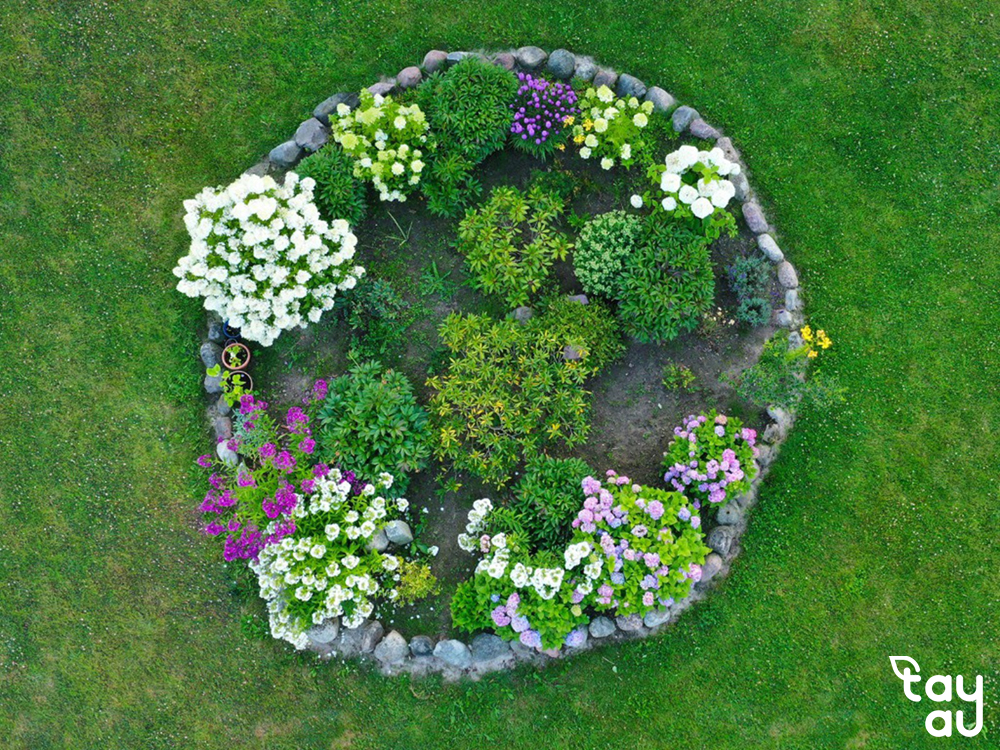
Round-shaped flower pot
The round-shaped flower pot design is highly popular for its simplicity, ease of installation, and suitability for various types of plants. You can create a flower pot yourself using stone, pottery, or concrete, depending on your preferences and home style. The round-shaped flower pot will create an impressive focal point, making the garden tidy and attractive to every gaze.
Flower pot made from old tree stumps
A flower pot made from old tree stumps brings creative and unique ideas, contributing to enhancing the garden with a rustic, close-to-nature feel. By using a cut-off tree stump, you can transform it into an impressive flower pot, creating a highlight for the garden and demonstrating environmental friendliness.
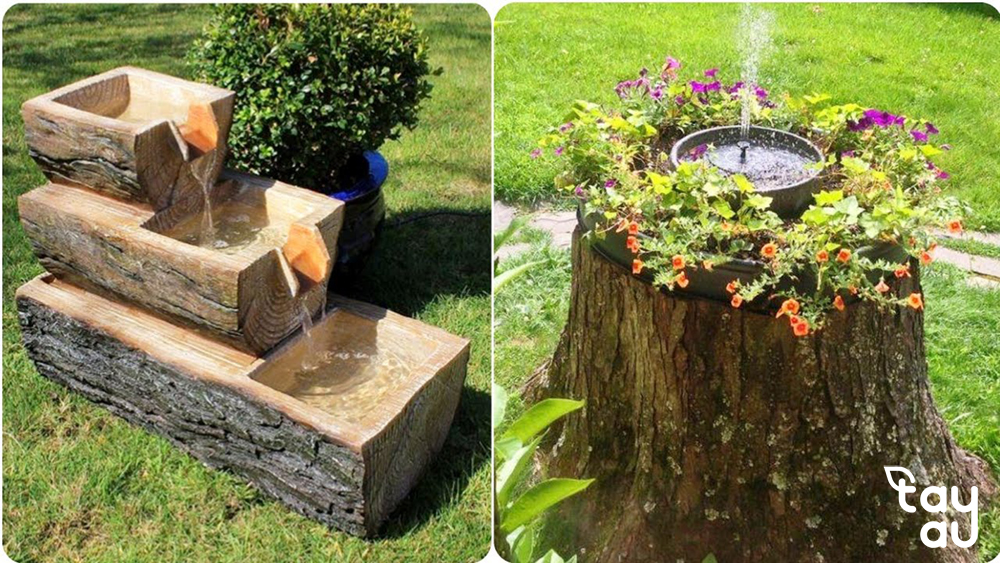
Wicker basket flower pot model
Wicker baskets are natural materials, environmentally friendly, creating a rustic and delicate beauty for flower pots. You can plant flowers, grasses, or plants in wicker baskets to create highlights that are fresh and attractive for the garden. The delicate weaving of rattan combined with vibrant flowers will bring a peaceful, gentle beauty to the living space.
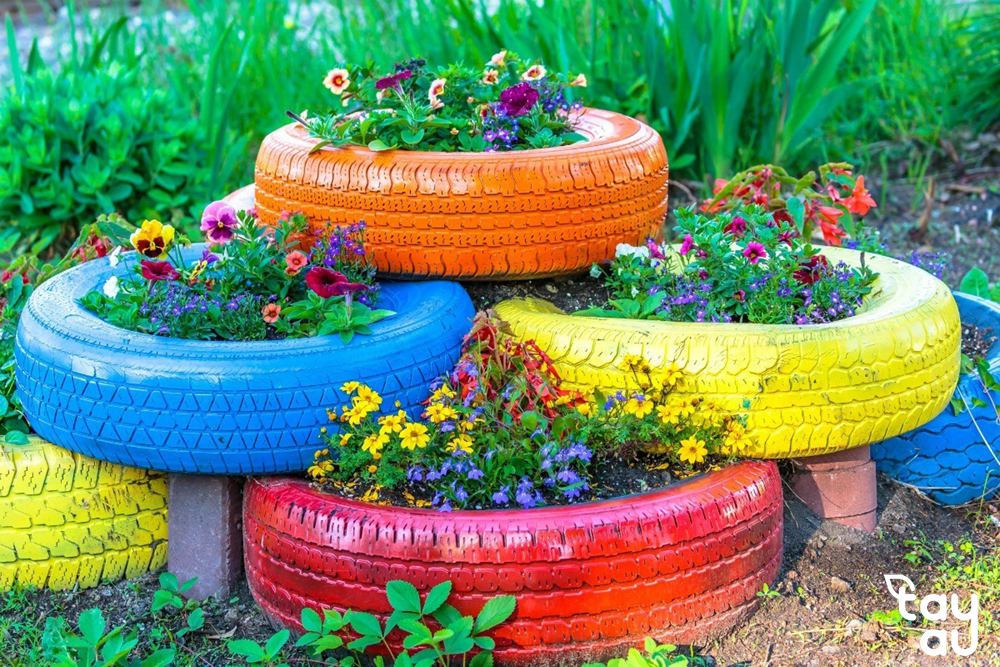
Old car tires
Utilizing unused old car tires, you can transform them into creative and cost-saving flower pots. Tires are durable, aesthetically pleasing, and can create unique focal points for the garden. You can paint your favorite colors on the tires and plant flowers and plants inside to further decorate your living space.
Building flower pots around large tree trunks
If you have a garden with large, mature trees, try building flower pots around their trunks. This flower pot not only brings harmony and highlights to the garden but also protects the tree trunks from the surrounding environment. You can choose shade-loving plants to plant in the flower pot, creating a perfect combination with the shady canopy of the large tree.

Diverse Styles with Garden Flower Pot Design Trends
Garden flower pot design is increasingly diverse, meeting aesthetic needs and preferences of many homeowners. Here are some popular front garden flower pot design trends today:
Rustic with Japanese style
Japanese style in garden flower pot design aims for natural, tranquil, and rustic beauty, bringing a feeling of relaxation and closeness to nature. The highlight of this style is using stone as the core material for flower pots, creating stability and harmony with the surrounding environment. Small shrubs and soft branches are prioritized to plant interspersed to create a natural feeling. Choosing seasonal flowers helps keep the flower pot fresh and vibrant, enhancing the lively atmosphere of the living space.

Modern with Western style
Unlike Japanese style, Western style in garden flower pot design emphasizes modern, personality, and impressive features. Modern materials are widely used, creating highlights in terms of shapes and lines. Carefully trimmed grass carpets, combined with flower pots and animal-shaped topiary, bring unique and attractive beauty. This style focuses on clarity, sophistication in design, demonstrating the homeowner’s individuality.
Close to Vietnamese style
Vietnamese garden flower pot design style bears the cultural imprint and preferences of Vietnamese people. This style emphasizes intimacy, familiarity, and diversity in design. Homeowners can freely create without being constrained by rules. Flower pots can be designed in various shapes, from round shapes, wicker baskets, car tires to around large tree trunks. Placing flower pots in suitable positions and choosing easy-to-care-for flowers are important considerations to ensure aesthetic appeal and save time and effort for homeowners.
In addition to these trends, you can also combine different styles to create unique flower pots with your own distinctive touch. Harmoniously combining elements from different styles will help you own a flower pot that is both beautiful and reflects your personality and preferences.
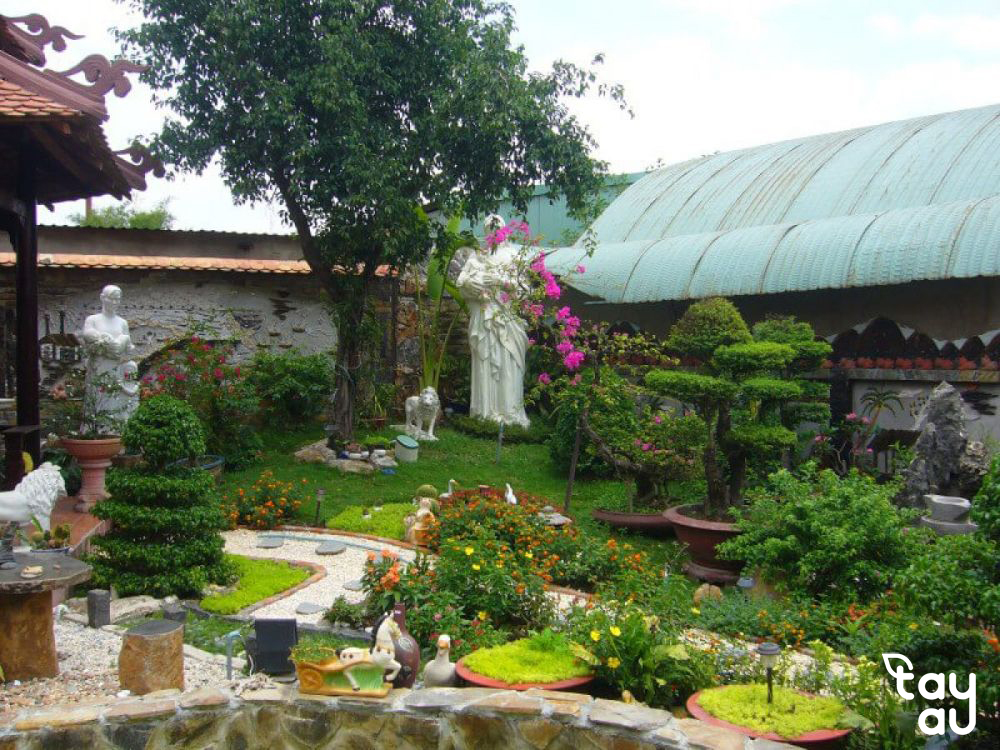
Secrets to designing beautiful and impressive garden flower pots
To create a beautiful and harmonious flower pot, you need to master the following important principles:
Clear and impressive separation strip:
The separation strip plays a role in creating focal points and dividing the boundary between the flower pot and the surrounding area. You can use materials such as stone, wood, concrete, or tiles to create the separation strip. The appropriate height for the separation strip is about 10cm, enough to create clarity without obstructing movement.
Harmonious color tone with integration and aesthetics:
Choosing colors for the flower pot should ensure harmony with the overall architecture and landscape of the garden. Using a dominant color tone will create a sense of harmony, refinement, and elegance for the space.
Simple and elegant, focusing on natural beauty:
Flower pot designs should aim for simplicity and elegance rather than complexity and clutter. Focus on coordinating colors, shapes of plants logically to create natural beauty and attraction.
Diversity and balance: Provide adequate nutrition for plant growth:
Planting various types of plants in terms of shape, color, and size will create diversity and liveliness for the flower pot. Besides, providing adequate nutrition for plants is a key factor to ensure that the flower pot remains lush and vibrant.
Height and depth: Create focal points and attract attention:
Combining different types of plants with different heights and shapes will create a beautiful and impressive flower pot. Consider using tall plants as focal points to attract attention and create depth for the flower pot.
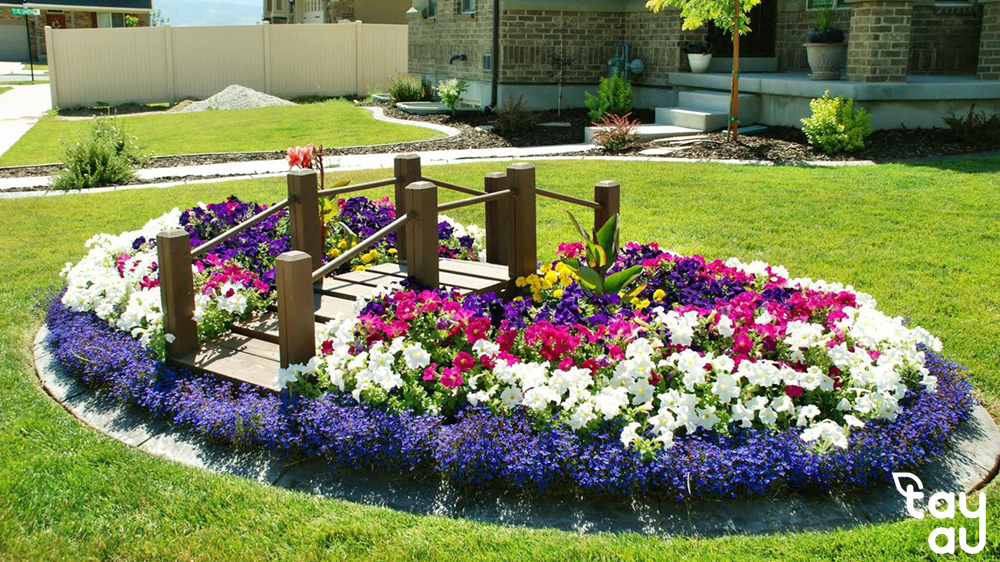
Continuous creativity: Express your own style and personality:
Do not hesitate to experiment with new and creative ideas to create unique flower pots that reflect your own style. Turn the flower pot into a place to express your personality and passion for nature.
More than just a beautiful green corner, garden flower pots are also symbols of connection with nature, bringing a peaceful, relaxing, and vibrant living space to you and your family. Get started creating your own flower pots to embellish your home and enjoy the wonderful benefits it brings. If you have any questions, contact Tay Au Landscape for assistance!








