


Aquatic plants are plants capable of growing in water environments, from fish tanks and aquascapes to decorative water pots indoors. These plants not only bring natural beauty but also improve air quality and provide a refreshing green touch to living spaces. In this article, we will explore easy-to-grow aquatic plants, how to care for them, and the benefits they offer.
Benefits and Pros/Cons of Growing Aquatic Plants
Aquatic plants absorb CO2 produced by fish and release oxygen. This helps increase oxygen levels in the tank, promoting healthier fish growth. Additionally, these plants absorb iron, potassium, nitrates, which are primary food sources for algae and moss. By consuming these nutrients, algae are suppressed, leading to cleaner water. Thus, maintaining the fish tank becomes easier and simpler.
Benefits of Growing Aquatic Plants
- Improves Air Quality: Aquatic plants enhance air quality by absorbing harmful substances and emitting oxygen. They help maintain humidity indoors, reducing dry skin and respiratory issues caused by dry air.
- Enhances Mental Health: The green color of plants and the presence of nature indoors help reduce stress, anxiety, and improve mood. Taking care of indoor plants also brings joy and relaxation to the grower.
- Creates Beautiful Living Spaces: Aquatic plants bring natural beauty and vibrancy to living spaces. They can be arranged in glass pots, fish tanks, or planters to create focal points in living rooms, offices, or bathrooms.
- Supports Pet Health: If you keep fish or other aquatic species, aquatic plants provide an ideal living environment, helping to maintain ecological balance in the tank and providing shelters for pets.
Pros and Cons of Aquatic Plants
Advantages of Aquatic Plants
Good Growth Capability: Aquatic plants grow stable and robust, 2-3 times faster than land plants. Using hydroponics in glass pots allows farmers to easily observe the growth process, stem growth, and root development.
Less Care Needed: You only need to change the water 1-2 times per week (to limit disease invasion), add a little water and a drop of food to help plants grow quickly and healthily.
Air Purification: Aquatic plant leaves can absorb carbon dioxide and other harmful gases, making the surrounding air cleaner. Moreover, aquatic plants also help reduce harmful microorganisms and protect the health of your family members.
Room Temperature Adjustment: Aquatic plants can lower temperatures, resist radiation, and produce oxygen (O2). Additionally, placing aquatic plants indoors increases humidity. Therefore, aquatic plants are a very suitable choice during hot sunny days.
Disadvantages of Aquatic Plants
Occupies a Lot of Space: Some fast-growing aquatic plants can take up a lot of space in the fish tank, affecting aesthetics. In this case, simply trimming them will make them look neat and more attractive.
Requires Regular Water Changes and Tank Maintenance: The rapid growth of aquatic plants also brings hygiene issues. Growing plants will have aging, dead cells that can pollute water and cause cloudiness in the fish tank. Regular water changes are necessary to keep the fish tank clean and aesthetically pleasing.
Easy-to-Grow and Care Aquatic Plants
Popular Easy-to-Grow Aquatic Plants Today
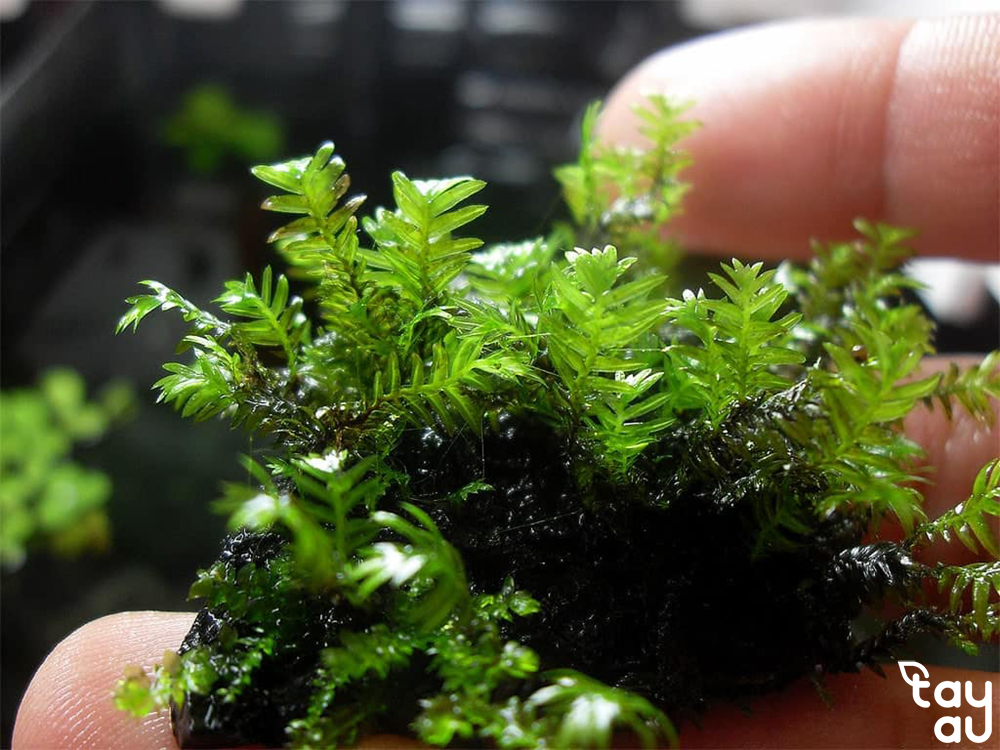
Java Moss
Java Moss is one of the most popular aquatic plants, widely known and grown almost everywhere. This plant is relatively easy to maintain, requiring minimal care and low nutrition, growing rapidly and able to cover a large area. Therefore, when planting, you can freely release the plant into the water, without planting it in soil, and trim it as needed for suitable appearance.
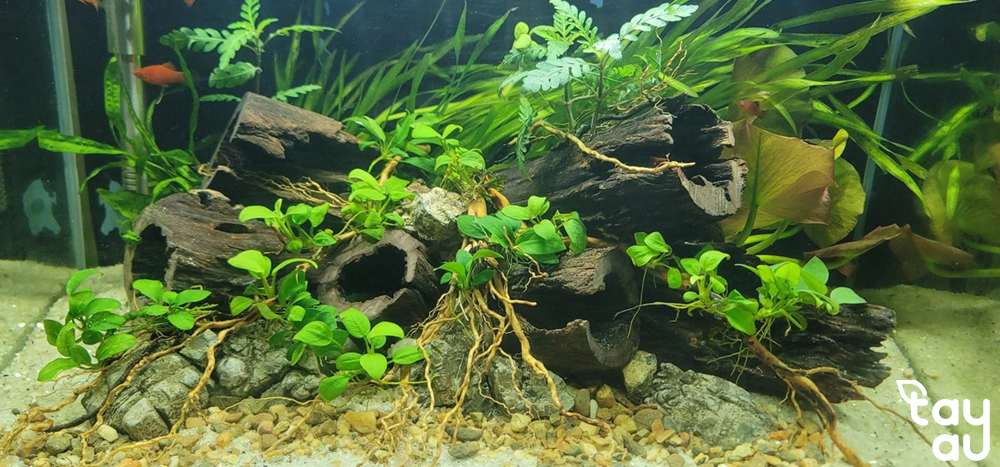
Anubias Nana
Anubias Nana is one of the well-known aquatic plants, mainly grown in large or small pots and sometimes in glass containers. This plant is very easy to grow and adapts well to water environments. They thrive when provided with sufficient water. Due to its rapid growth, it’s important to trim it regularly to maintain its best appearance.
Dwarf Hairgrass
Dwarf Hairgrass is a grass-like plant, loved by many and extremely easy to grow and care for, adapting well to both soil and water environments. However, it thrives better in water, making it suitable for small pots placed on desks. In areas with low light, the plant will grow taller, whereas in areas with strong light, it will grow more bushy. When purchasing, choose plants with long, smooth leaves and avoid planting new ones to prevent sudden death when submerged in water.
Japanese Water Fern
Japanese Water Fern is a aquatic plant belonging to the fern family, living in still water environments, growing rapidly and easily. In environments with plenty of light and high humidity, its leaves will develop well and float on the water surface, vibrant and cool. Moreover, the leaves also absorb toxins and excess substances in the water, creating a clean aquatic environment.
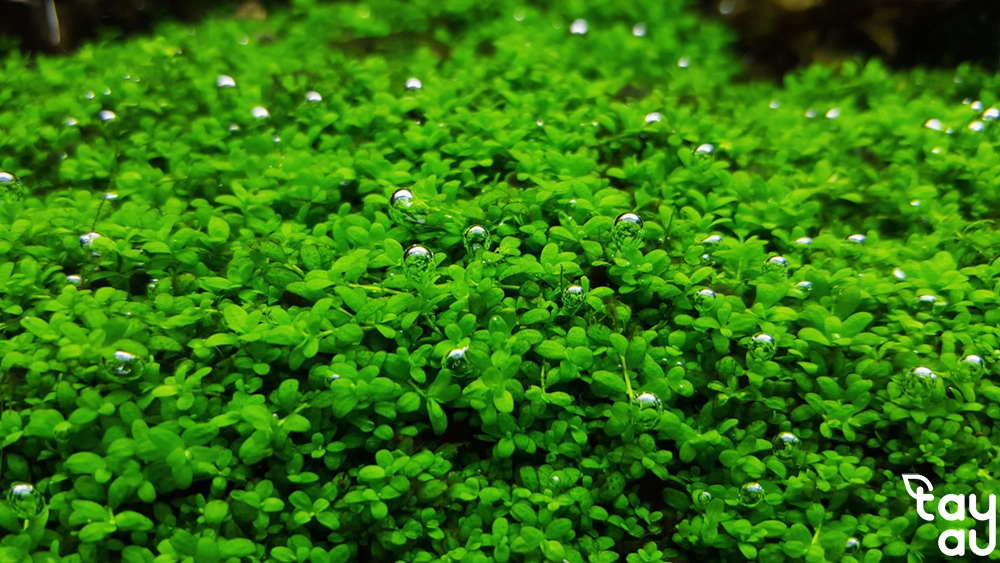
Pearlweed
Pearlweed is known for being easy to grow, easy to care for, requiring low nutrition, and growing very quickly. However, it tends to be small, so you need to plant a lot to create a beautiful space. It especially needs environments with plenty of CO2, light, and cool water to produce oxygen (O2) in the environment.
Water Lily
Water Lily is very easy to grow, requiring low nutrition, so it is widely planted in ponds or aquascapes. Under good light conditions, high nutrient environments, and supplemented with CO2, this plant will have beautiful, spread-out leaves. Planting Water Lilies will make the tank more beautiful and lively, suitable for placement on desks, living rooms, etc.
Duckweed
Duckweed is an aquatic plant with leaves resembling duckweed. The body shape of Duckweed is very soft, extremely beautiful, and can live without soil. Duckweed is easy to grow, lively, and grows vigorously. The plant does not require high nutrition, is easy to grow and care for, and due to its rapid growth, regular trimming is necessary.
Java Fern
Java Fern is a type of plant belonging to the fern family, with slightly rigid stems, adapting well to shallow water environments without touching the ground. The plant has a very beautiful appearance and is highly appreciated for its aesthetics. This plant can be grown indoors, has a slow growth rate, and prefers shaded environments, making it suitable for offices.
Other Easy-to-Grow Aquatic Plants
- Snake Plant (Sansevieria): Snake Plant has long, stiff, dark green leaves with horizontal stripes. This drought-resistant plant is easy to care for and thrives well in water.
- Duckweed (Lemna minor): Duckweed has small, bright green leaves that float on the water surface. This plant grows quickly and helps maintain clean water environments.
- Water Hyacinth (Eichhornia crassipes): Water Hyacinth has large, water-filled leaves and beautiful purple flowers. It floats on the water surface and is easy to grow.
- Water Spinach (Ipomoea aquatica): Water Spinach has long stems, floats on the water surface, and is easy to grow. This plant is not only decorative but also edible.
- Java Fern (Microsorum pteropus): Java Fern has bright green leaves, unique shape, and grows well in water. To care for this plant, place it in an indirectly lit area and change the water regularly.
- Golden Pothos (Epipremnum aureum): Golden Pothos has deep green leaves with white or yellow patterns, thrives well in water, and is very easy to care for.
- Water Lettuce (Pistia stratiotes): Water Lettuce has soft, light green leaves that float on the water surface. This plant helps filter water and provides a habitat for fish.
- Dwarf Sagittaria (Sagittaria subulata): Dwarf Sagittaria has long, narrow, bright green leaves, grows well in water, and is easy to care for.
How to Care for Aquatic Plants
Regular Water Changes: To ensure the optimal growth of aquatic plants, regular water changes are necessary to remove debris and maintain a clean living environment.
Provide Light: Each type of aquatic plant has different light requirements. Most aquatic plants prefer indirect light, so place them in areas with natural light but not too harsh.
Supplement Nutrition: If growing plants in a fish tank, supplement their nutrition with aquatic fertilizers. Ensure to use appropriate fertilizers in the correct dosage.
Control Algae: Algae can quickly grow in water environments and compete with aquatic plants for nutrients. Control algae by regular water changes and keeping the water environment clean.
Create Suitable Conditions: Ensure water temperature, pH, and other factors are suitable for each type of plant. Some aquatic plants require warm water temperatures, while others thrive in room temperature.
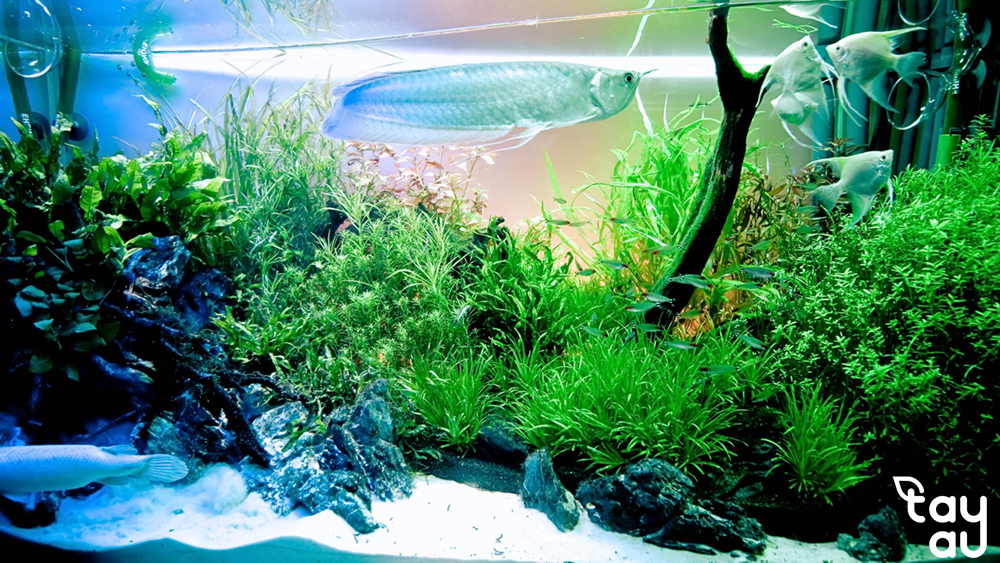
Creating the Perfect Aquascape
- Choose Suitable Plant Types: When creating an aquascape, choose plant types that are suitable for indoor water and light conditions. Combine multiple plant types to create diversity and attractiveness.
- Design Layout: Design the aquascape layout to be harmonious and natural. Place taller plants at the back and shorter plants at the front to create depth in the tank.
- Use Rocks and Decorative Wood: Use rocks and decorative wood to create focal points and provide hiding places for fish and other aquatic species. Ensure decorative materials do not alter water quality.
- Regular Maintenance: Regularly maintain the aquascape by changing water, supplementing nutrition, and checking plant health. Remove faded leaves and control algae to maintain a clean living environment.
Easy-to-grow aquatic plants not only enhance natural beauty but also improve air quality and create a comfortable living space. With proper care, you can create a cool, beautiful, and vibrant aquascape in your home. Start with the easy-to-grow aquatic plants introduced in this article and enjoy the benefits they bring.








