


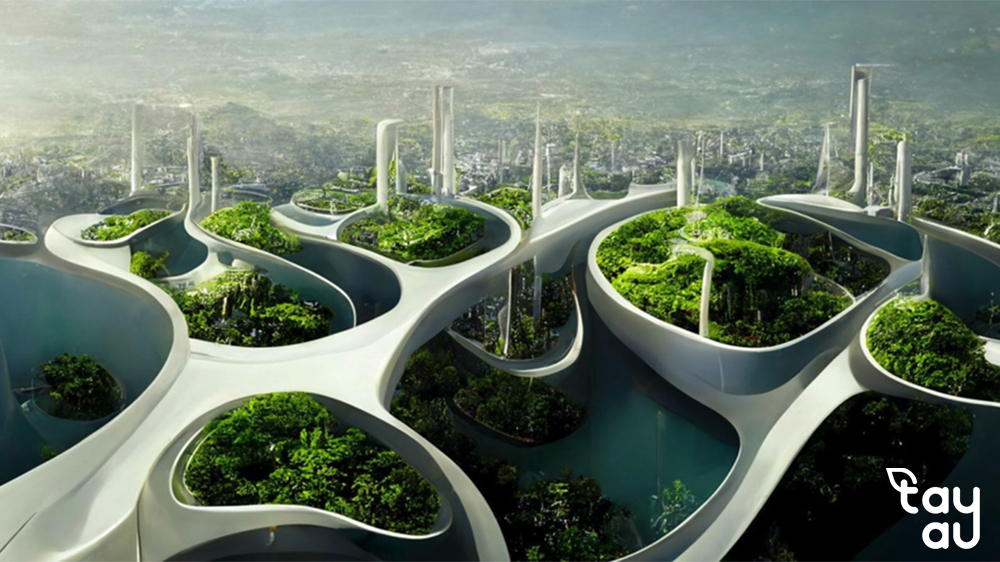
In this era of rapidly advancing digital technology, the architecture industry is also witnessing remarkable progress. Advanced technologies such as artificial intelligence, 3D printing, and virtual reality technology are creating groundbreaking innovations in future architectural design trends. From designing and constructing sustainable, smart buildings to integrating technology into living spaces, the architecture industry is gradually reshaping the appearance of modern cities and living spaces.

Pioneering Technologies in Future Architectural Design Trends
Artificial Intelligence and Architectural Design
Artificial intelligence (AI) is playing an increasingly important role in the field of architecture. AI tools can analyze data, optimize designs, and support decisions during the design process. Applying AI in architecture allows architects to create precise 3D models, simulate energy efficiency, and optimize other factors such as cost, structure, and aesthetics. This helps reduce time and costs in the design process while allowing architectural works to become more optimal.
Additionally, AI can be used to automate certain stages of the construction process, such as planning, site management, and quality control. This not only speeds up construction but also enhances accuracy and safety during the construction process.
3D Printing and its Applications in Architecture
3D printing technology is increasingly being applied in the architecture industry, from printing models and architectural details to printing entire structures. With the ability to create complex shapes with high precision, 3D printing allows architects to realize bold design ideas that were previously difficult to achieve. Moreover, 3D printing helps minimize waste, save materials, and time during the construction process.
Some notable applications of 3D printing in architecture include printing models, details, and components, as well as small structures like houses, bridges, sewers, and even large buildings. This is considered a major advancement, opening up many new creative possibilities for architects.

Virtual and Augmented Reality in Design
Virtual reality (VR) and augmented reality (AR) technologies are increasingly being applied in the field of architectural design. VR/AR tools allow architects and clients to interact with 3D models intuitively, enabling them to experience the design space before actual construction. This not only improves communication and decision-making processes but also helps minimize errors during construction.
Additionally, VR/AR supports other stages such as design presentations, model building, and even worker training on construction sites. These technologies are becoming more popular and are considered an important trend in modern architectural design.
Sustainable Architecture: Building a Green and Eco-Friendly Future
Green and Energy-Efficient Design
Amidst climate change and the increasing demand for sustainable development, green architecture is becoming a favored trend. Sustainable architectural works focus on optimizing energy efficiency, reducing carbon emissions, and using environmentally friendly materials. From sun-oriented design, using renewable energy to utilizing natural light and ventilation, architects are striving to create structures that have a positive impact on the environment.
Besides, the trend of using environmentally friendly materials such as wood, bamboo, clay, or recycled materials is also becoming popular. This not only helps reduce waste but also contributes to the conservation of natural resources.
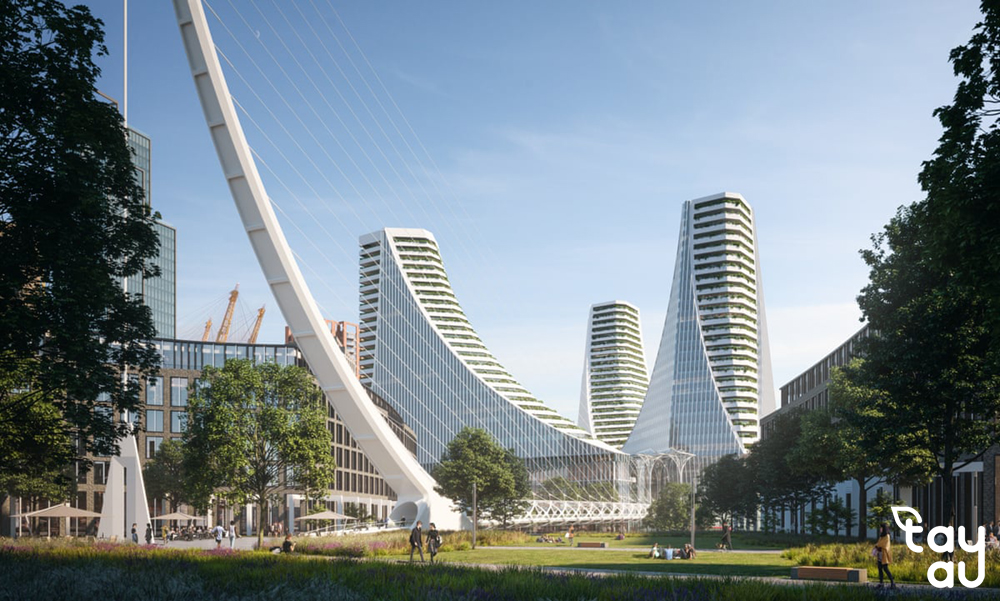
Integrating Nature into Architectural Spaces
Another trend in sustainable architecture is integrating nature into architectural spaces. Modern architectural works increasingly aim to connect with nature, such as using rooftop gardens, green corridors, or creating interior spaces with natural landscapes. This not only improves air quality and environmental hygiene but also provides users with living experiences close to nature.
Design ideas such as “forest buildings,” “sky parks,” or “forest cities” are gradually becoming a reality, contributing to creating green, sustainable living areas that harmonize with nature.
Reusing and Renovating Existing Structures
Instead of new constructions, the trend of reusing and renovating existing structures is also being emphasized. Retaining and renovating old buildings, rather than completely demolishing them, not only saves resources but also helps preserve architectural heritage. Architects are creatively renewing old structures, preserving historical and cultural values while meeting standards for energy efficiency and sustainability.
This trend not only helps reduce construction costs and time but also contributes to reducing construction waste, aligning with the sustainable development goals of cities.
Dynamic Living Spaces: Integrating Technology and Nature
Flexible and Multi-Functional Architecture
A prominent trend in future architectural design is the creation of flexible, multi-functional spaces. Instead of rigid spaces, modern architectural works are designed with the ability to transform, capable of meeting different usage needs.
For example, walls can move, spaces can expand or contract, and areas can be used for various purposes. This not only optimizes space utilization but also provides convenience and flexibility for users.
Integrating Nature into Living Spaces
The trend of integrating nature into living spaces is becoming increasingly popular. Modern architectural works not only connect with the outside nature but also create green spaces inside, such as rooftop gardens, planting areas, or walkways close to trees.
This not only improves air quality and creates comfortable living spaces but also provides users with experiences close to nature. This is a favored trend, contributing to the creation of sustainable living spaces that harmonize with nature.
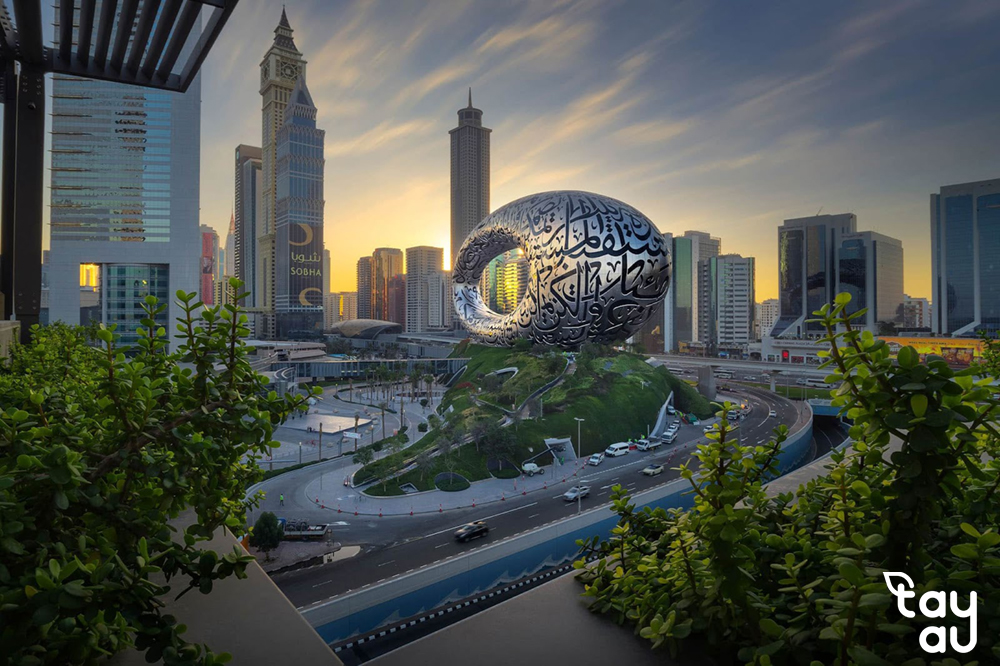
Integrating Technology into Living Spaces
In addition to integrating nature, incorporating technology into living spaces is also becoming an important trend in modern architectural design. Smart technologies such as voice-controlled systems, smart sensors, and the Internet of Things (IoT) are integrated into living spaces to create modern, convenient, and intelligent environments.
Using technology in living spaces helps optimize the management and operation of devices, from lighting, air conditioning to security systems. Users can adjust everything through mobile phones or other smart devices, providing convenience and flexibility for daily life.
Integrating technology into living spaces not only creates modern and convenient experiences but also enhances the connection and interaction between humans and technology. This opens up many new opportunities in developing smart and sustainable living models in the future.
Connected Architecture: Building Community and Social Interaction
Creating Connected Spaces
An important factor in future architectural design is creating connected spaces where people can meet, interact, and socialize with each other. Public areas, parks, terraces, or shared workspaces are designed to encourage communication and sharing among the community.
Creating connected spaces not only helps create a positive living environment and supports the community but also contributes to building a diverse and harmonious society. These spaces are not just meeting places but also promote creativity, collaboration, and sustainable development.
Promoting Social Interaction
Connected architecture also aims to promote social interaction among community members. Spaces are designed to create opportunities for people to meet, exchange ideas, and learn from each other.
Creating environments that promote social interaction not only helps expand personal relationships but also creates opportunities for integration and consensus within the community. This contributes to building a united, developing, and sustainable society in the future.
Supporting Multi-Cultural Communities
In a multicultural society today, designing connected architecture also needs to pay special attention to supporting culturally, linguistically, and traditionally diverse communities. Public spaces need to be designed to be suitable and meet the needs of all community members.
Respecting and encouraging cultural diversity not only helps create a sustainable and harmonious living environment but also promotes understanding and respect among society members. Connected architecture is not just a meeting place but also a place that reflects the unity and diversity of the community.
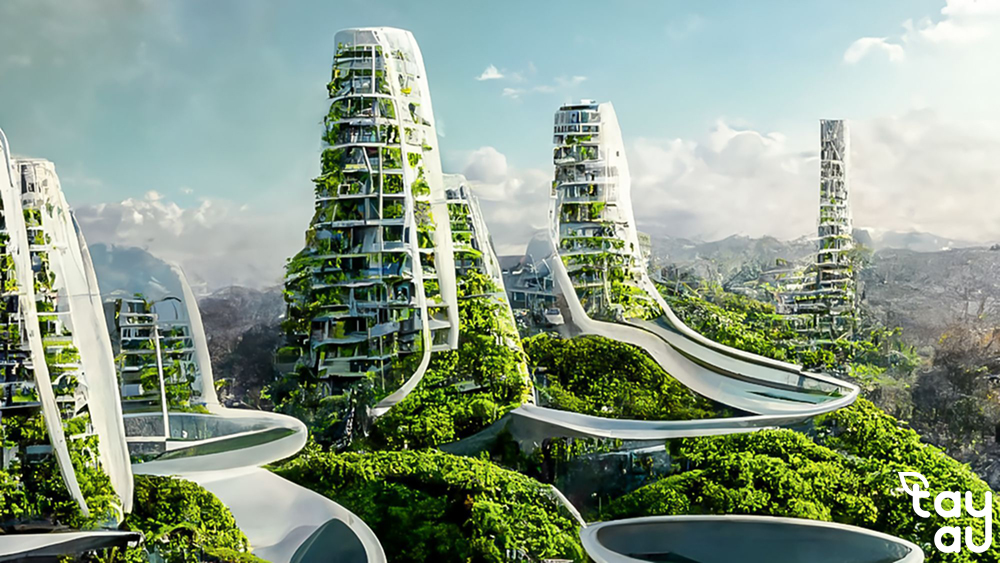
New Materials: Advances in Construction and Application
Innovations in Building Materials
Materials play a crucial role in constructing architectural works. In the era of Industry 4.0, innovations in building materials are opening up many new opportunities for the construction industry. Smart materials, recycled materials, and sustainable materials are being developed and widely applied in modern architectural design.
Using new materials not only helps improve the quality and performance of buildings but also helps minimize environmental impact. Smart materials with self-diagnosis, self-repair capabilities, and interaction with the surrounding environment provide convenience and sustainability for users.
Application of Recycled Materials
The use of recycled materials in architectural design is also becoming an important trend in the construction industry. Recycling materials such as wood, metal, and plastic helps reduce waste and the environmental impact from the production of new materials.
The application of recycled materials not only helps protect the environment but also creates unique and sustainable architectural works. Recycled materials can be used to create green, clean, and resource-saving living spaces, while encouraging creativity and innovation in architectural design.
Development of Sustainable Materials
This is an undeniable type of material in the trend of future architectural design. The development of materials that are renewable, environmentally friendly, and sustainable is becoming a top priority in the construction industry.
Sustainable materials such as recycled bricks, building sand from recycled materials, and natural insulation materials are being widely applied in modern architectural design. The use of sustainable materials not only helps reduce environmental impact but also creates sustainable architectural works that save resources for the future.

Challenges and Opportunities: Future Architecture and the Role of Humans
Challenges of Future Architecture
In the context of sustainable and smart development trends, the architecture industry is facing many significant challenges. One of the biggest challenges is the need to change traditional design perspectives and methods to meet the new requirements of society and the environment.
The application of advanced technology, creative thinking, and continuous innovation is inevitable for the architecture industry. At the same time, adapting to climate change, minimizing environmental and social impact are also challenges that architects need to face and find suitable solutions.

Opportunities for Innovation
Despite many challenges, the architecture industry is also opening up many opportunities for innovation and development. The combination of tradition and modernity, nature and technology will create unique and advanced architectural works.
The development of information technology, green materials, and an increasing focus on sustainability also creates opportunities for the architecture industry to promote innovation and creativity. Taking advantage of these opportunities will help the architecture industry develop sustainably and meet the growing demands of society.
The above are the future architectural design trends that are being shaped and developed in the current era. From the application of advanced technology, sustainable construction, smart design to creating dynamic living spaces and connecting communities, the architecture industry is making great strides to meet the diverse needs of society.
With innovation, creativity, and sustainability awareness, the architecture industry will continue to develop and contribute to building a green, clean, and modern living environment. Hopefully, the information shared by Tây Âu Landscape can help you understand more about the future of the architecture industry.








