


Greek Architecture is one of the greatest legacies of ancient civilization, renowned for its classical beauty and profound influence on modern architecture. The perfect combination of aesthetics, functionality, and life philosophy has created a unique and timeless architectural style that has endured for millennia. This article provides an overview of ancient Greek architecture, its key features, and the iconic structures that have become symbols of this civilization.

The Concept of Greek Architecture and Its Influence on the World
What is Greek Architecture?
Greek architecture is a style that flourished from the 8th century BC to the 4th century BC, primarily in the ancient Greek city-states. This style focused on the construction of public buildings such as temples, theaters, arenas, and other large public spaces. The perfect balance between form and function, along with the reverence for the divine, made ancient Greek architecture one of the most iconic symbols of the ancient world.
One of the key characteristics of ancient Greek architecture is the use of columns with three basic orders: Doric, Ionic, and Corinthian. Each order has its own distinctive features, but all express harmony, symmetry, and aesthetic appreciation.
The Influence of Greek Architecture on the World
Greek architecture not only had a significant impact in ancient times but also spread around the world and continues to influence modern architecture. Buildings in many countries, from ancient Rome to the Renaissance period, and even contemporary architecture, have been influenced by Greek design principles.
Government buildings, museums, theaters, and many other public structures in Europe and America clearly reflect the Greek architectural style, from Doric, Ionic, and Corinthian columns to the use of stone materials and symmetry.
- Decoration focused on history and the past: Many ancient paintings, such as sculptures of Greek gods, wooden ships, ancient buildings, etc., are used for decoration. Shelves, columns, and plaster can be used to create vibrant spaces. Buildings with strong Greek architecture often emphasize natural elements in decoration, typically potted plants, vases, etc.
- Interior: Greek architectural interiors often use bright colors such as blue, white, beige, olive, and sand. Additionally, flat surfaces are often used in a single color without combining multiple colors. Fireplaces are often present in living rooms with ancient Greek architecture. Floors are tiled with a single color or simple patterned tiles or stones. At the same time, ceilings are usually plain white without any additional details. Ancient Greek interior design often incorporates modern materials to ensure harmony and balance in the room, without creating overload or confusion.
- Color: Spaces in Greek buildings often feature white polyurethane columns with milk or ivory-colored shells at the top. The edges are lightly painted and marble and natural stone are added as accents.
- Gardens: Finally, Greek architectural buildings often have gardens with naturally cracked walls, painted in light colors, interspersed with randomly arranged plants and flowers.
Key Features of Greek Architecture
Greek Column Orders
One of the most recognizable and prominent features of Greek architecture is the column order. The type of column determines the style of the building and directly influences the shape and structure of the entire building. Greek architecture has three main column orders:
Doric: The simplest of the columns, Doric columns are sturdy and lack elaborate decoration. The capitals are usually simple and round, and the shafts are plain without fluting or intricate designs. This order is common in temples and symbolizes strength and masculinity.
Ionic: The Ionic column is more refined than the Doric, with distinctive volutes (spiral scrolls) on the capitals. The shafts are slender and often fluted. Ionic columns bring elegance and are commonly used in more graceful buildings.
Corinthian: The most elaborate of the three, Corinthian columns feature intricately carved capitals, often decorated with acanthus leaves. Corinthian columns exude luxury and are often used in larger, more ornate buildings.

Symmetry and Balance
Symmetry and balance are fundamental elements of Greek architecture. Buildings are often designed along a symmetrical axis, creating harmony and proportion. Every part of the structure, from the columns to the doors and decorative details, is carefully considered to achieve visual perfection. This is clearly exemplified by grand temples such as the Parthenon, where every architectural element is linked to the philosophy of balance and harmony in nature.
Using Marble
Marble was the primary material used in Greek architectural works, thanks to its durability and high aesthetic value. The bright white marble blocks not only created an elegant appearance but also reflected sunlight, highlighting the magnificence of the structures. Greek sculptors also utilized this material to craft intricate artworks on the surfaces of walls and columns.
Temples of the Gods
Ancient Greek architecture often revolved around temples dedicated to the gods, with the purpose of honoring the deities of Greek mythology. These temples were not only places of worship but also significant cultural and religious symbols. Famous temples such as the Parthenon (dedicated to the goddess Athena) and the Temple of Zeus are clear examples of the power and beauty of Greek architecture.
Theaters and Arenas
In addition to temples, Greek architecture was renowned for its theaters and arenas. The theaters were usually built outdoors in a semi-circular shape to optimize sound. The arenas hosted public sports and entertainment activities, such as wrestling and chariot races.
Famous Greek Architectural Works
Human civilization has gone through thousands of years, but what ancient Greek architecture has left behind remains intact. It is a glorious value, both intangible and tangible. Looking at the following masterpieces, you will witness a tremendously grand historical period.
The Acropolis of Athens
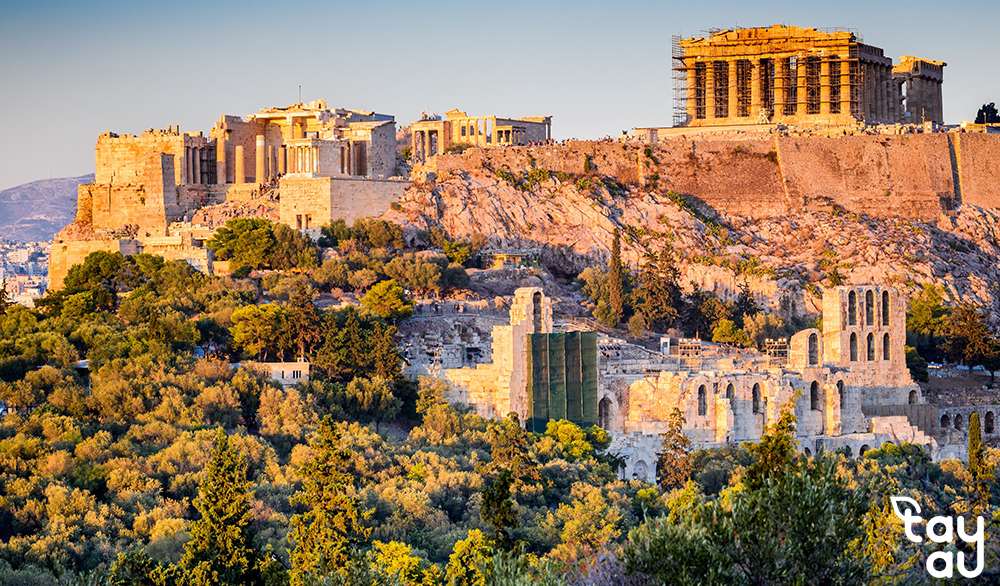
This is one of the most famous fortresses in the world. The Acropolis is located over 150 meters above sea level. The name Acropolis here means a city on high (in Greek). The Acropolis is preserved and maintained as a great masterpiece of Greek civilization in general and Greek architecture in particular.
Parthenon
The Parthenon is one of the most famous architectural works of ancient Greece, built in the 5th century BC on the summit of the Acropolis in Athens. It is a temple dedicated to the goddess Athena, the protector deity of the city of Athens. The Parthenon stands out with its Doric columns and perfect symmetry, symbolizing the elegance and strength of Greek architecture.
Temple of Zeus
The Temple of Zeus is a major religious structure in Olympia, where the ancient Olympic Games were held. Built in the Doric column style, the Temple of Zeus was not only a place to honor the god Zeus but also one of the important cultural centers of ancient Greece.

The Epidaurus Theater
The Epidaurus Theater is one of the most famous and well-preserved open-air theaters from ancient Greece. Distinguished by its semi-circular architecture and perfect sound transmission, this theater can hold up to 14,000 people and stands as a testament to the superior architectural talent of the Greeks.
Temple of Apollo Epicurius
This is an ancient temple located in Bassae, restored in the mid-5th century BC. Although the Temple of Apollo Epicurius is far from the major centers of ancient Greece, it is one of the most studied temples because of its unique architectural style. The curious thing about the architecture of this temple is the combination of three columns: Ionic, Doric, and Corinthian.
Temple of Athena at Delphi
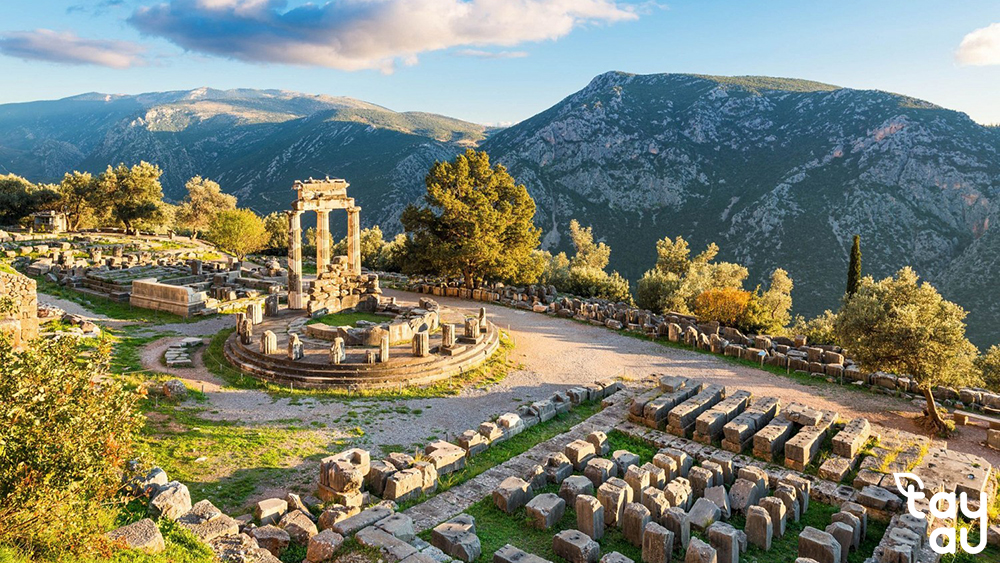
The Temple of Athena at Delphi is a “sacred land” of ancient Greece. The project was built around the 7th century BC. The Temple of Athena was built on a large scale, featuring Doric columns. The large size and aesthetic value of this temple always make it a subject of mention in any documents related to ancient Greece.
The Acropolis
The Acropolis is one of the main attractions for most modern tourists when visiting ancient Greece. The Acropolis was built in Athens, the center of ancient civilization. The mossy, ancient style of the Acropolis will overwhelm anyone who lays eyes on it.
Temple of Poseidon
The Temple of Poseidon is located on Arisa, a wonder in a vast valley. The building was mainly constructed of marble. Initially, the Temple of Poseidon was arranged with 42 marble columns. Now, only 16 columns remain standing after time due to the effects of natural disasters and war.

Today, Greek architecture still holds great appeal and is adopted by many architects in modern projects. Elements such as balance, symmetry, and high aesthetics are often integrated into public and private structures, bringing timeless beauty and sophistication to spaces.
Modern structures may not fully replicate the classical details, but the influence of Greek architecture is still present through columns, harmonious proportions, and the use of premium stone materials. Many university campuses, churches, and government buildings today continue to honor the architectural heritage of Greece through their designs.
Greek architecture is an eternal symbol of the perfect combination of art and function, of mythology and reality. With its great and lasting influence over thousands of years, classical Greek architecture is not only a crucial part of human civilization’s history but also an endless source of inspiration for modern architects.








