


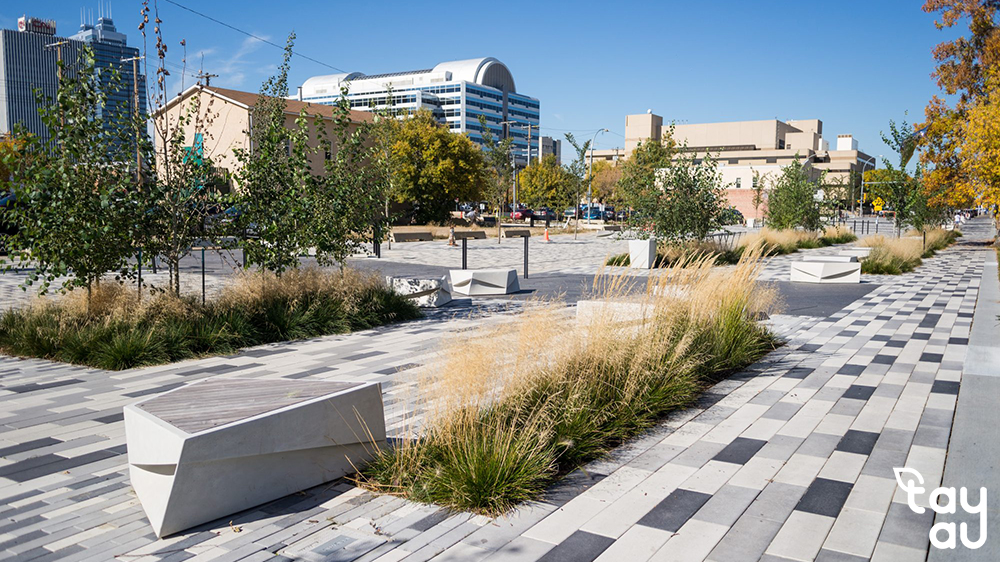
Landscape architecture is not just about arranging plants randomly; it is an art, a science of designing outdoor spaces to achieve harmony between nature and humanity. The power of landscape architecture lies not only in creating beautiful gardens but also in its ability to improve quality of life, create sustainable living spaces, and contribute to environmental protection.

Concept of Landscape Architecture
Architecture is an art and science field related to designing, constructing, and organizing living spaces and environments. It includes creating structures such as residential houses, public buildings, commercial and industrial areas, and other public spaces.
Applications of architecture:
- Residential Architecture: Designing houses, apartments, villas.
- Public Architecture: Designing public structures such as hospitals, schools, churches, libraries.
- Commercial Architecture: Designing shopping centers, stores, offices.
- Industrial Architecture: Designing factories, plants, warehouses.
- Landscape Architecture: Designing parks, gardens, playgrounds, green urban areas.
Landscape architecture combines art and science to create attractive and functional outdoor spaces. It involves design, planning, and management of areas like parks, gardens, playgrounds, urban areas, and other green spaces. Landscape architecture focuses not only on aesthetic beauty but also on environmental factors, climate, culture, and the interaction between humans and nature.
Benefits of Landscape Architecture
Improving Quality of Life: One of the greatest benefits of landscape architecture is enhancing the quality of human life. Green areas, parks, and flower gardens not only beautify the living environment but also provide numerous benefits for mental and physical health. Studies have shown that contact with nature helps reduce stress, improve mood, and enhance overall health.
Increasing Property Value: The presence of well-designed green spaces and gardens can increase the value of real estate. A beautifully landscaped garden creates an ideal living environment and enhances the aesthetic and property value of the home. This is particularly important in urban areas where green spaces are often limited.
Environmental Protection: Landscape architecture plays a crucial role in environmental protection. Designing and planning green spaces helps reduce urban heat effects, improve air and water quality, and support biodiversity. Gardens, parks, and green corridors can become habitats for many plant and animal species, contributing to the protection of endangered species.
Creating Public Spaces: Landscape spaces like parks, squares, playgrounds are places that create community connections. These are places where people can meet, socialize, and participate in social activities. These spaces not only provide comfort but also foster a sense of belonging, building a strong and cohesive community.
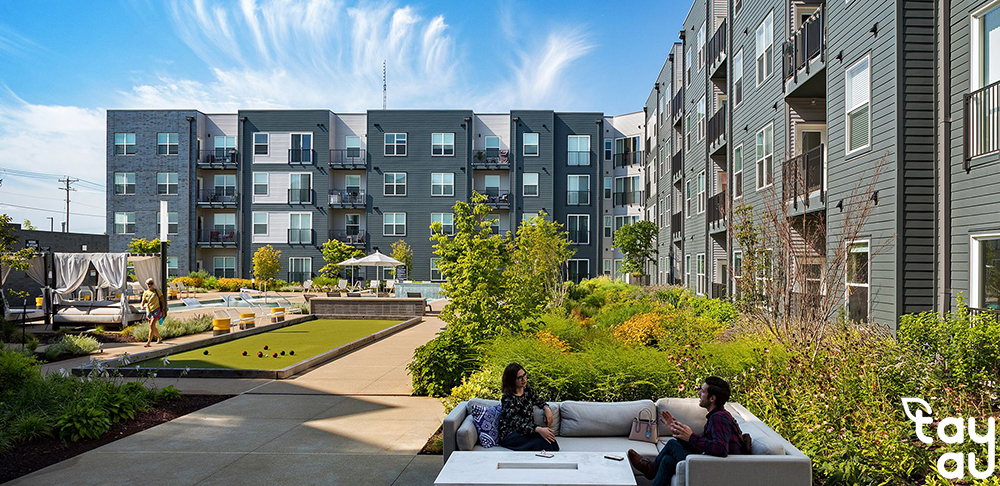
Key Elements of Landscape Architecture
Sustainable Design: A core element of landscape architecture. This includes using recycled materials, minimizing energy and water consumption, and preserving biodiversity. Techniques like rainwater harvesting, using native plants, and creating multi-functional green spaces contribute to environmental sustainability.
Cultural and Local Adaptation: Each region has its own cultural and climatic characteristics, and landscape architecture must reflect these features. Using local plants and materials not only helps create harmonious spaces with the surrounding environment but also preserves and develops distinctive cultural values.
Aesthetic and Functional: Landscape architecture should be both aesthetically pleasing and functional. Harmoniously combining aesthetic and functional aspects helps create outdoor spaces that are not only visually appealing but also practical. Elements such as pathways, play areas, rest areas, and other amenities need to be thoughtfully arranged to meet the users’ needs.
Human-Nature Interaction: One of the main goals of landscape architecture is to create interaction between humans and nature. This includes designing spaces where people can enjoy the beauty of nature, engage in outdoor activities, and experience relaxation from the surrounding environment.

Exemplary Landscape Architecture Projects
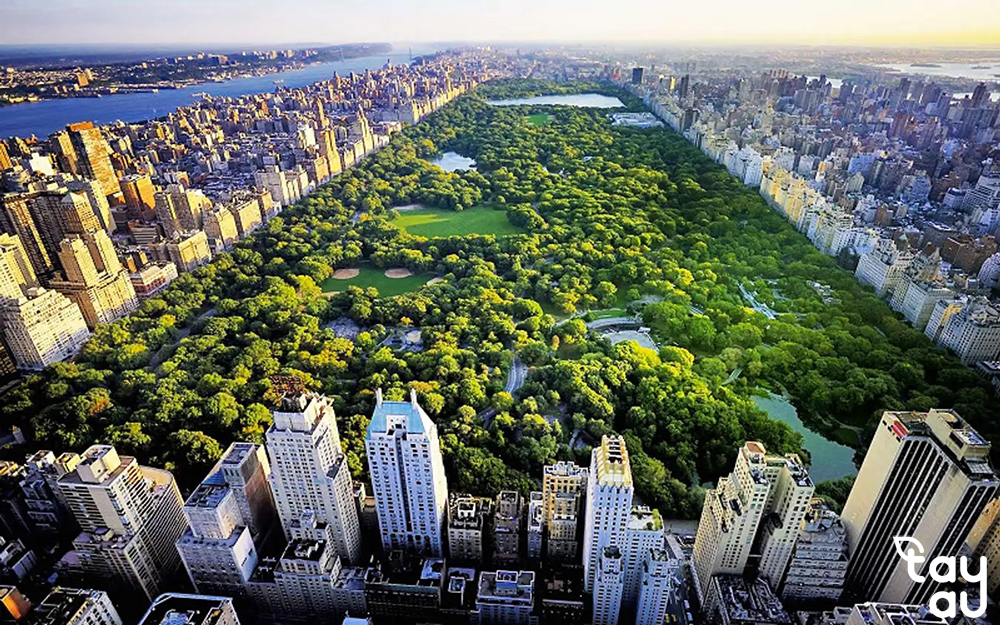
Central Park, New York, USA
Central Park is one of the world’s most famous parks and a symbol of urban landscape architecture. With its vast area and diverse areas, Central Park is not only a place for relaxation but also an essential part of daily life for New Yorkers.
Japanese Garden, Portland, USA
The Japanese Garden in Portland is an excellent example of the combination of landscape architecture and Japanese Zen philosophy. With meticulous attention to detail, from plant selection to the arrangement of water and stone elements, this garden creates a peaceful and serene space.

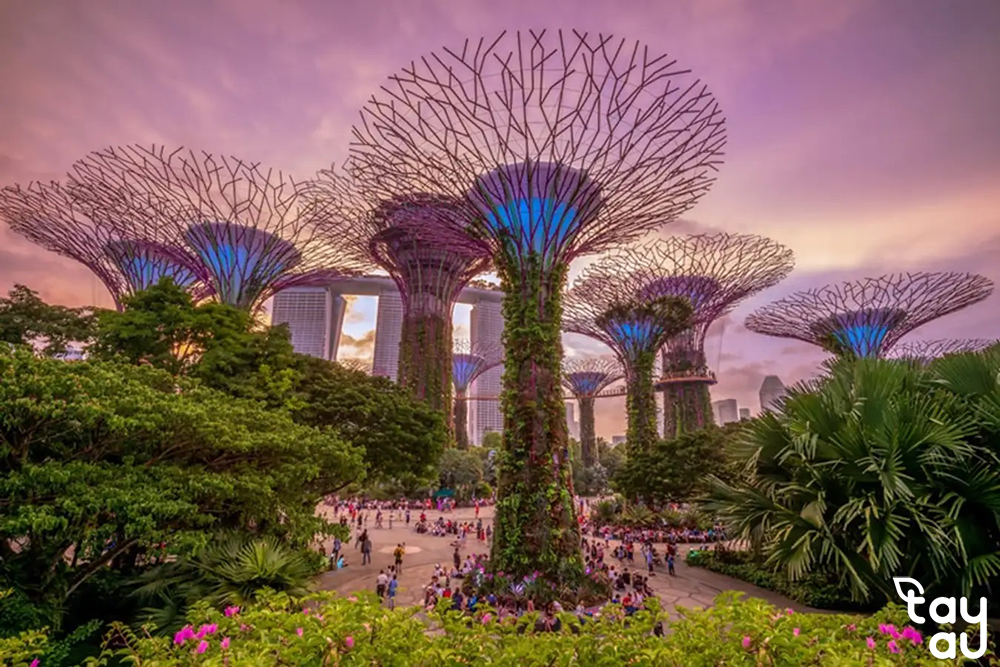
Gardens by the Bay, Singapore
Gardens by the Bay is a groundbreaking landscape architecture in Singapore. With its Supertree Grove, giant conservatories, and themed gardens, Gardens by the Bay is not only a famous tourist destination but also an example of pioneering sustainable and creative design.
Future Trends in Landscape Architecture
Sustainable Design and Environmental Friendliness
In the context of climate change and increasingly harsh environments, sustainable design will continue to be the dominant trend in landscape architecture. Using native plants, minimizing water consumption, and creating multifunctional green spaces are crucial factors in building sustainable living environments.

Technology and Creativity
The advancement of technology is opening up many new opportunities in landscape architecture. From using 3D design software to integrating IoT (Internet of Things) technology for water irrigation and lighting management, technology is helping to create smarter and more efficient green spaces.
Creating Green Spaces in Urban Areas
With increasing population and rapid urbanization, creating green spaces in urban areas is more important than ever. Rooftop gardens, vertical gardens, and green corridors are solutions to bring nature into densely populated urban areas.
Connectivity and Community
Modern landscape architecture trends focus on creating connected spaces and enhancing community engagement. Public green spaces, recreational areas, and shared amenities are designed to encourage interaction, engagement, and building strong communities.
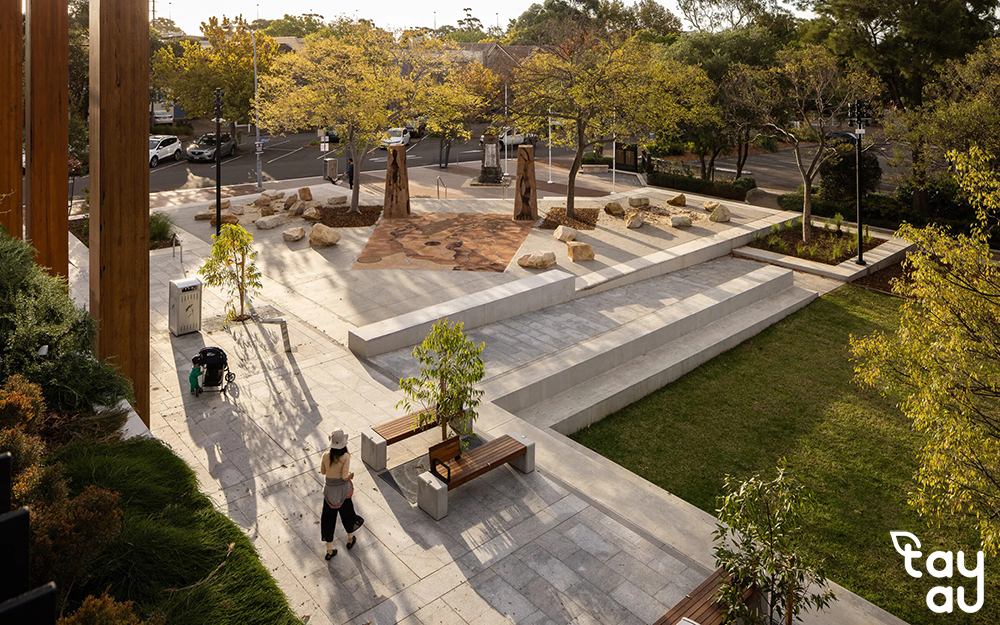
Landscape architecture is not simply about arranging plants and flowers randomly but about the delicate integration of art and science to create harmonious and sustainable living spaces. The power of landscape architecture lies in its ability to improve quality of life, protect the environment, and create community-connecting spaces. With the trend towards sustainable design and technological advancements, the future of landscape architecture promises to bring many new and exciting developments, contributing to building ideal living environments for people.








