


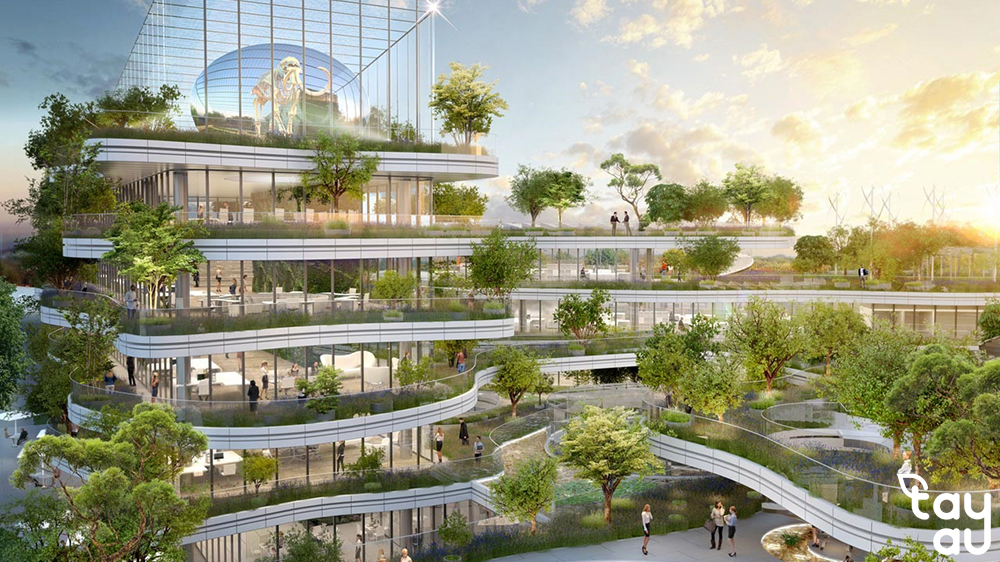
Architectural space is an important factor in design and construction, playing a decisive role in creating harmony, functionality, and aesthetics for a building. Whether it’s a small house, a modern office, or a skyscraper, the layout of architectural space is always present to ensure balance and comfort in use. In this article, we will take a closer look at the concept, its importance in modern design, as well as its common applications and current development trends.
What is the concept of architectural space?
Architectural space refers to the arrangement, organization, and division of components in a building, helping users feel comfortable and functional. It includes elements such as shape, size, color, light, materials, and the relationships between components within the space.
The layout of architectural space not only includes physical elements like walls, floors, and ceilings but also open spaces and the interaction between natural and man-made elements, creating a harmonious connection between people and their surrounding environment.
Interior space
Interior space is the part of the building’s space where people live, work, and use daily. This architectural layout includes functional areas such as the living room, bedroom, kitchen, bathroom, and other common spaces.
The organization of interior space needs to ensure factors such as comfort, ventilation, sufficient light, and harmony between the furniture. The combination of space and decorative elements creates comfort and aesthetics for the user.
Exterior space
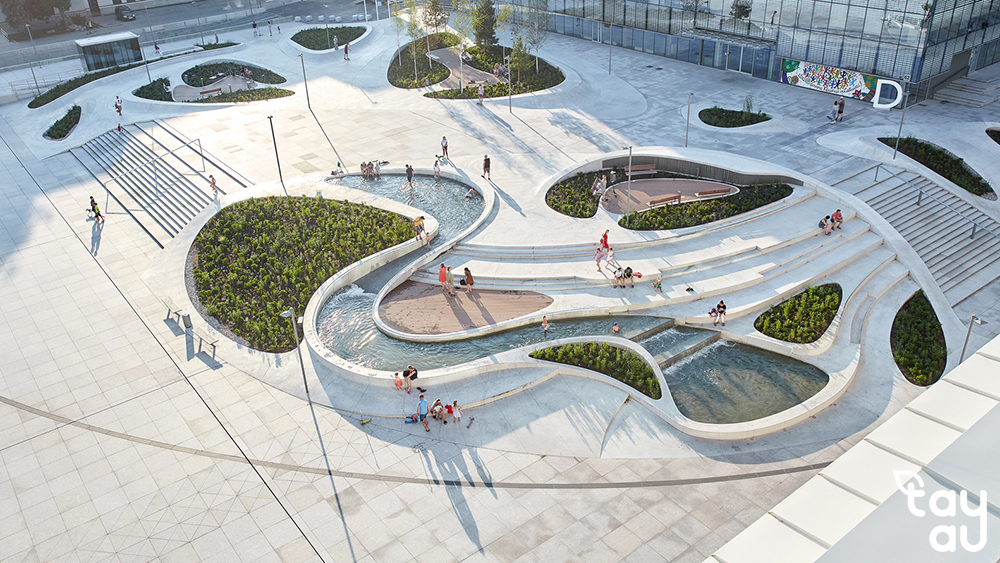
Exterior space is the outdoor space of the building, including elements such as gardens, parking areas, corridors, and green spaces. Designing exterior space requires creativity and the ability to interact with the natural environment.
Exterior space not only creates the appearance of the building but also affects the quality of life of the residents. The harmony between the architecture of the building and the outside nature helps improve air quality, enhances health, and brings a sense of relaxation to people.
The importance of architectural space
Architectural space plays a very important role in the design and construction process. A well-organized space not only brings comfort but also affects the aesthetics and utility value of the building.
Creating comfort and convenience
A good architectural space layout is one that provides comfort for users. Factors such as light, air, temperature, sound, and color must be carefully considered during the design process. Particularly, dividing space rationally between functional areas helps users move easily and maximize the functionality of the building.
Enhancing functional efficiency
Architectural space should not only be beautiful but also highly functional. This means the space must be arranged to suit the purpose of each area. For example, in a house, the living room needs to be spacious and airy for receiving guests, while the bedroom needs to be quiet and cozy for rest.
Increasing aesthetic value
To create the overall beauty of the building, architectural space plays an extremely important role. Elements such as shape, proportion, color, light, and materials must all be harmoniously combined to create balance and aesthetics for the space. A beautiful space not only attracts attention but also brings comfort and relaxation to the user.
Creating a Connection with the Natural Environment
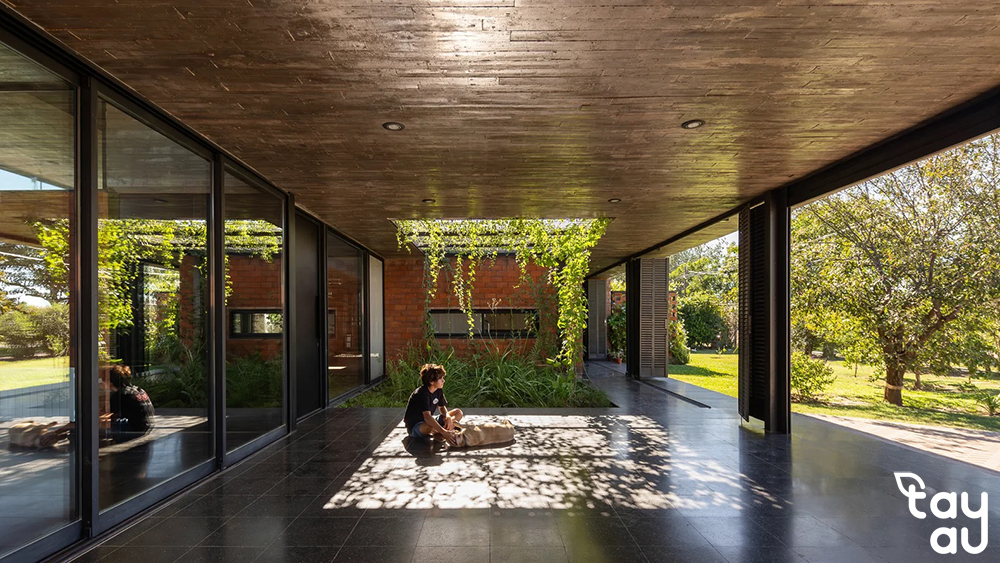
Architectural space can create a connection between people and nature through the use of elements such as greenery, natural light, and natural ventilation. This not only helps improve the quality of life but also brings a sense of peace and relaxation to individuals.
Common Applications of Architectural Space
In modern architectural design, space is organized in various ways depending on the purpose of use and the requirements of the users. Here are some common applications of architectural space in modern constructions:
Open Space Design
Open architectural space layout is a popular design trend in modern architecture. Instead of dividing space with solid walls, architects create connections between functional areas such as the living room, dining room, and kitchen by using open spaces.
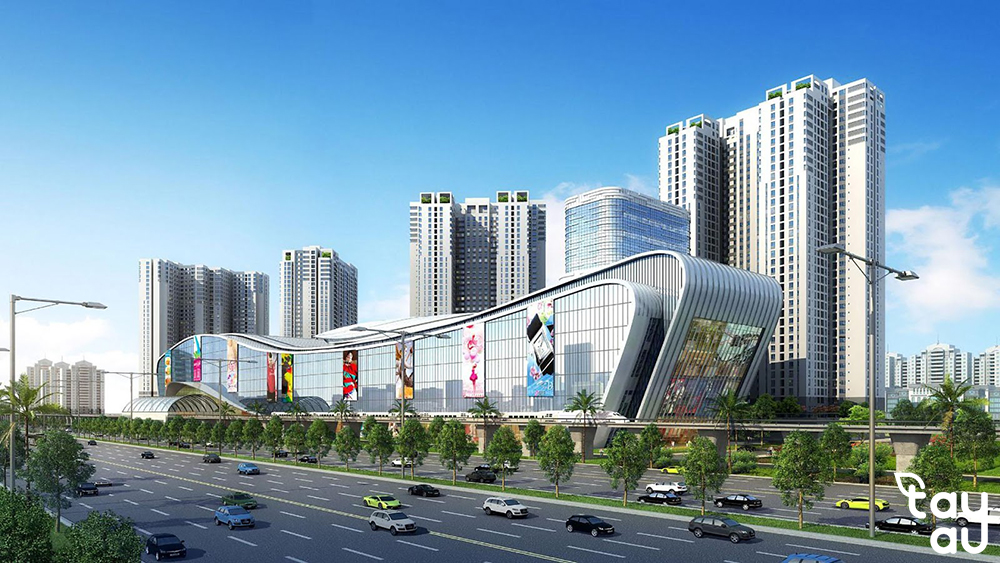
Open space design optimizes area, creating a more spacious and airy feeling for the building. At the same time, it enhances interaction among family members, creating a warm and friendly common living space.
Green Space Design
This is a favored design trend today, especially as living environments become increasingly polluted and lacking in greenery. Integrating natural elements such as plants, water, and light into architectural spaces not only beautifies the structure but also provides health benefits for individuals.
Green spaces can be applied in various areas, from gardens and balconies to indoor spaces. These green areas help regulate air quality, reduce temperature, and create a fresh living environment.
Using Natural Light
Natural light plays a crucial role in the layout of modern architectural space. Utilizing natural light not only saves energy but also provides comfort and ease for users.
In modern designs, using large windows, skylights, or glass walls is a common way to take advantage of natural light. This makes spaces brighter and more spacious while enhancing the connection with the external environment.
Multi-Functional Space Design
As land for construction becomes increasingly limited, the design of multi-functional spaces has become more important than ever. Multi-functional spaces are areas that can be used for various purposes, helping to save space and optimize functionality.
For example, a living room can be designed to serve as both a reception area and a workspace or entertainment area. Similarly, bedrooms can combine storage or study spaces to utilize area effectively.
Trends in Architectural Space Development in the Future
With the advancement of technology and the rising living standards, architectural spaces are gradually changing to meet new requirements. Here are some development trends for the future:
Smart Spaces
Smart technology is gradually being integrated into architectural projects, creating modern and more convenient living spaces. Systems for controlling lighting, temperature, sound, and security can be automated through smart devices, optimizing comfort for users.
Sustainable Architectural Spaces
This is an important trend in the context of climate change and environmental pollution. Green buildings that utilize renewable energy and environmentally friendly materials will become a dominant trend in the future.
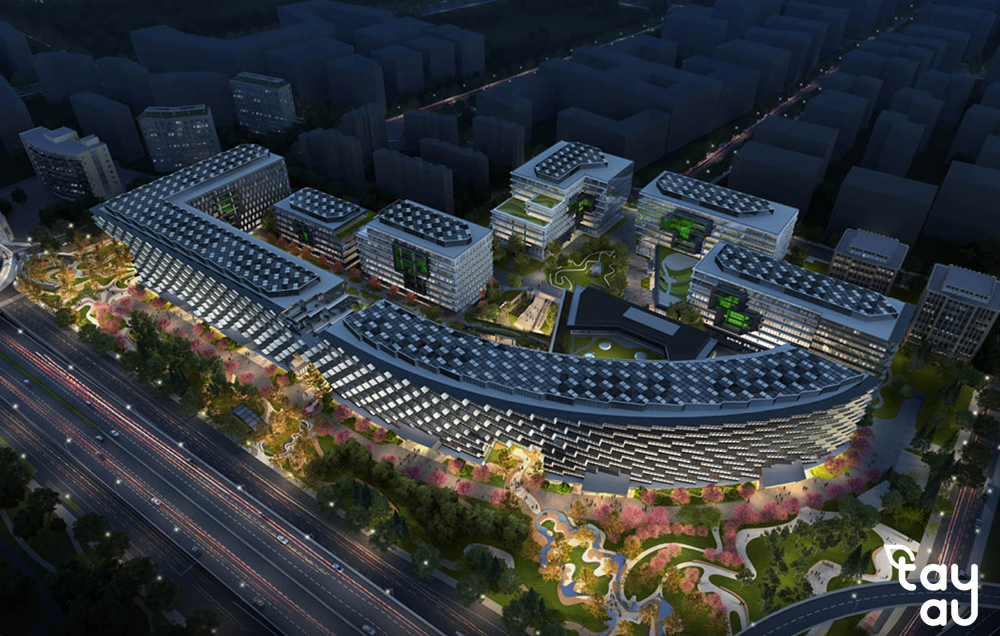
Flexible Spaces
These are areas that can easily change their functions and structures according to the needs of users. This trend is particularly suitable for small houses or offices, helping to maximize usability and save space.
Architectural space is a core element in any construction, directly affecting the convenience, aesthetics, and usability of that structure. Organizing space logically not only benefits users but also helps make the building sustainable and aligned with modern architectural development trends.








