


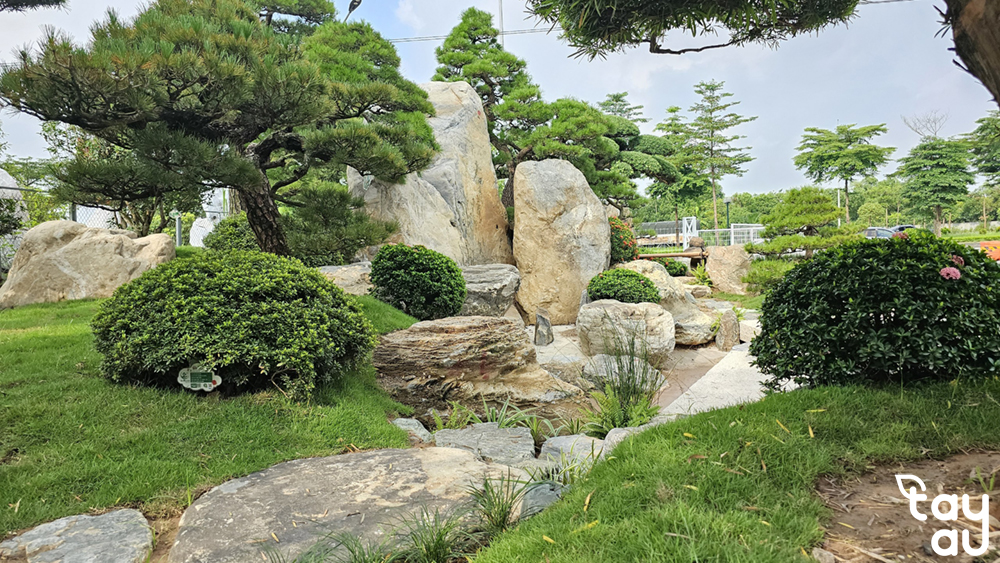
Indoor plants not only serve decorative purposes but can also bring other values such as health benefits, luck, prosperity, and more to your home. So, what plants should you grow indoors? Which ones are easy to care for and bring good fortune to the household? What should you consider when growing plants?
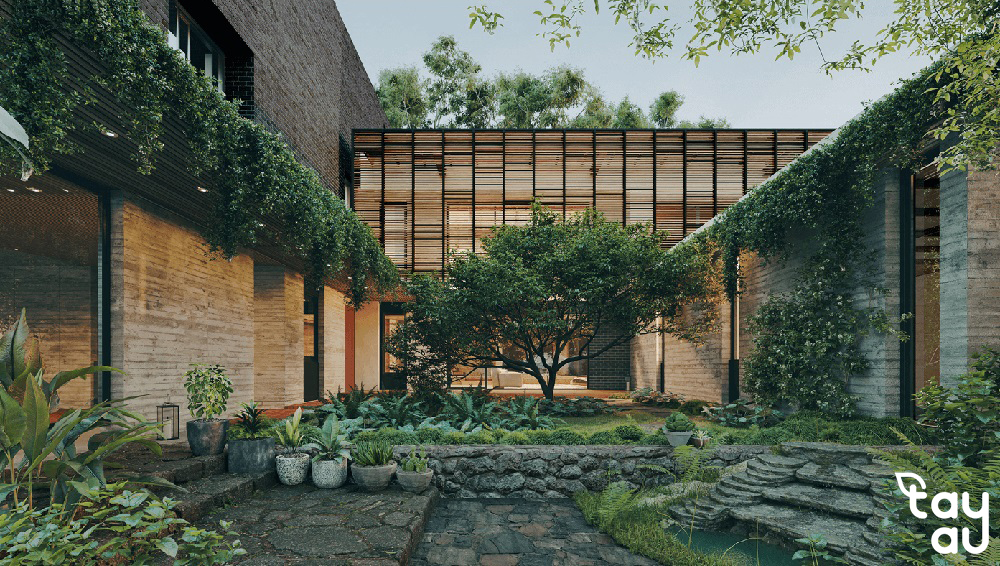
Why decorate with indoor plants?
Today, life is constantly evolving, technologies continue to advance, and human living standards are rising, but the living environment is heavily affected as a result. Smoke, dust, and pollution have significantly reduced the quality of human life.
One of the solutions to improve the living environment is to plant indoor plants. Not only do they serve decorative purposes, but indoor plants can also improve pollution issues, help ensure the health of homeowners by reducing insects and pollution. Furthermore, decorating with indoor plants helps homeowners reduce stress and pressure in work, study, and daily life.
Improving air quality
One of the most notable benefits of indoor plants is their ability to improve air quality. Many types of indoor plants can absorb harmful substances like formaldehyde, benzene, and trichloroethylene from the air. These substances are often found in household products such as paint, cleaning agents, and wood furniture. By absorbing these substances, indoor plants help clean the air, creating a healthier living environment.
Enhancing mental health
Studies have shown that exposure to greenery and nature can help reduce stress, anxiety, and enhance mood. The green color of plants relaxes the eyes, making us feel calmer and more comfortable. Moreover, caring for indoor plants is a fun and relaxing activity, helping us connect with nature and reduce stress after long hours of work.
Creating aesthetic space
Indoor plants not only provide health benefits but also create aesthetic spaces that beautify the home. With various shapes, colors, and sizes, indoor plants can be used to decorate interiors, create focal points in rooms, and create a sense of closeness to nature. Whether you prefer modern, classic, or minimalist interior styles, there are suitable plant varieties for you to choose from.
Improving air humidity
Green plants have the ability to regulate air humidity, especially in dry environments due to air conditioning or heating systems. Through the process of water vapor release, indoor plants help increase humidity, making the air more comfortable. This is particularly important for maintaining healthy skin and respiratory systems, reducing dry skin and throat inflammation issues.
Enhancing Work Productivity
Indoor plants not only bring benefits to family life but also have a positive impact on the work environment. Studies have shown that having greenery in the office can enhance concentration, creativity, and productivity. A cool and airy workspace helps employees feel comfortable, reduce stress, and boost work morale.
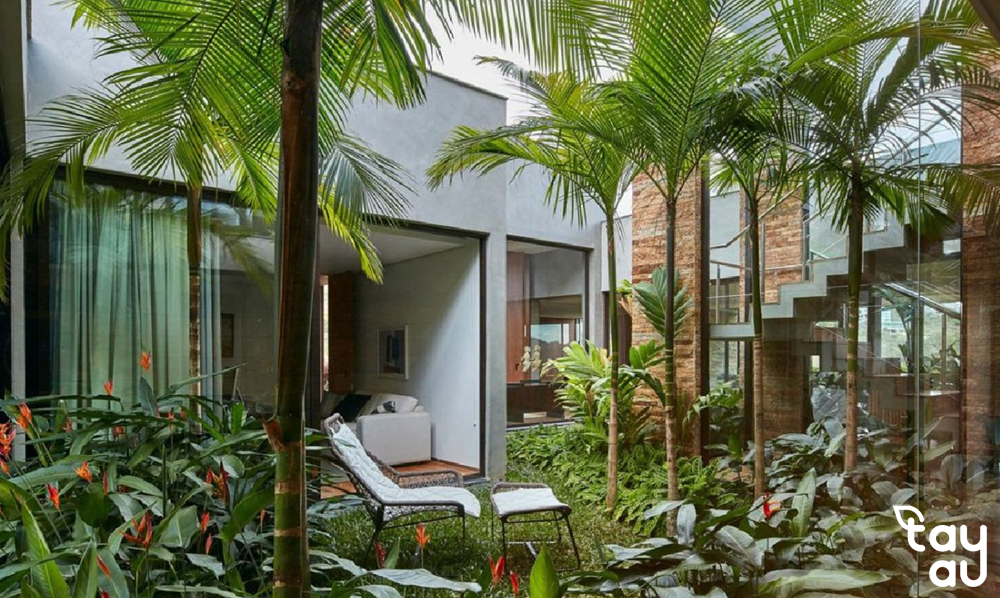
Indoor Plants That Don’t Need Sunlight
Lucky Bamboo
Lucky Bamboo originates from tropical forests in China and Southeast Asia, belonging to the Dracaena family. When grown indoors, it typically reaches heights of 1m – 1.6m. Lucky Bamboo is easy to grow and prefers a cool environment, with glossy leaves that create a lush appearance. Its compact size and low maintenance make it suitable as a decorative plant for living rooms.
Singapore Bonsai
Singapore Bonsai belongs to the ficus family, with large leaves and prominent leaf veins on the underside. Singapore Bonsai comes in various sizes, ranging from a few centimeters to several meters, allowing you to choose the right size for your home.
It thrives in temperatures between 16 – 27°C, is easy to care for, requiring watering 3 – 4 times a week for optimal health. The visual appeal of Singapore Bonsai complements vintage living room designs.
Pilea Peperomioides
Pilea Peperomioides, also known as the Chinese money plant or pancake plant, is native to Southern China. It typically grows to a height of 20cm – 50cm and thrives in cool conditions, making it ideal for indoor decoration.
With its round, coin-shaped leaves and easy care requirements (watering 2 – 3 times a week), Pilea Peperomioides is perfect for low-light environments like bedrooms. Its aesthetic appeal adds a romantic touch to rooms with large, well-lit windows.
Thyme Plant
Thyme plants, also known as creeping thyme or mother of thyme, belong to the mint family. They prefer cool environments, not too hot or too cold, with heights ranging from 1m – 3m.
Thyme plants grow relatively well and are easy to care for, requiring minimal time from homeowners to maintain freshness. They are particularly favored for bedroom decor.
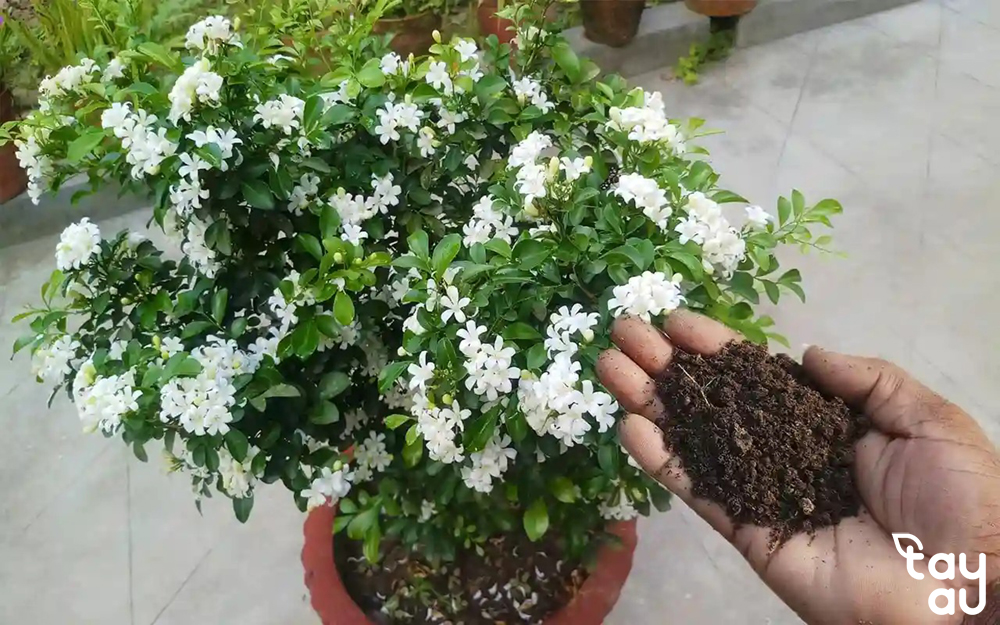
Rose Myrtle Plant
The rose myrtle plant is one of the valuable ornamental plants, with a sturdy woody stem. It usually comes in 3 varieties: red-flowered rose myrtle, white-flowered rose myrtle, and the herbaceous sesame plant.
The plant comes in various sizes from a few centimeters to several meters, allowing homeowners to choose a height that suits their house.
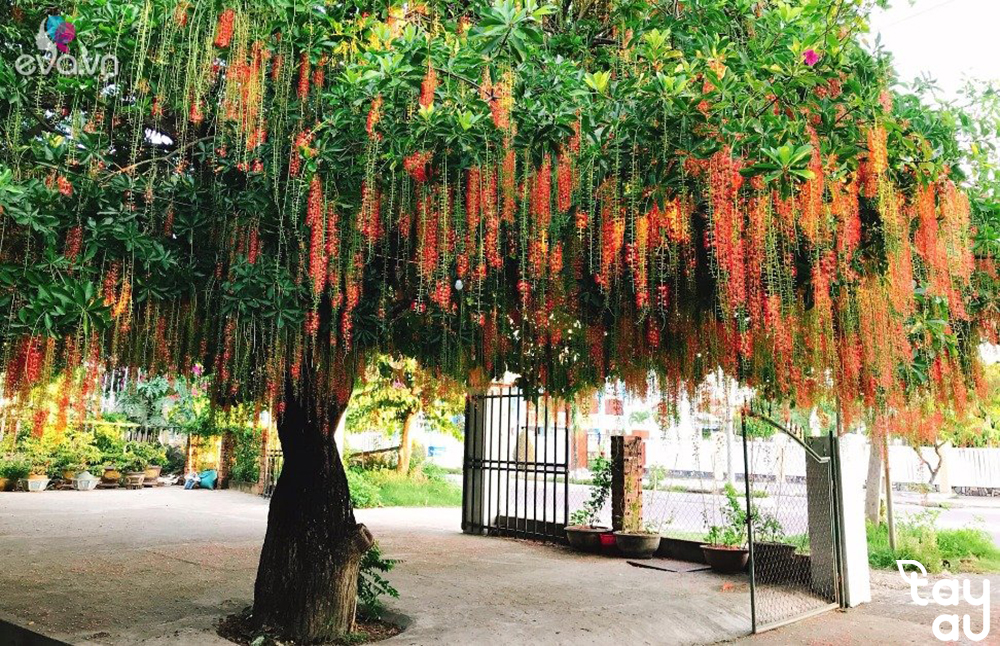
Bay Laurel Plant
The bay laurel plant belongs to the laurel family, originating from the Mediterranean region in Eastern Europe. Currently, there are 3 types in Vietnam: large-leaved bay laurel, small-leaved bay laurel, and twisted-stem bay laurel.
Bay laurel plants prefer humidity and dislike intense sunlight, making them ideal for indoor planting.
Pine Tree
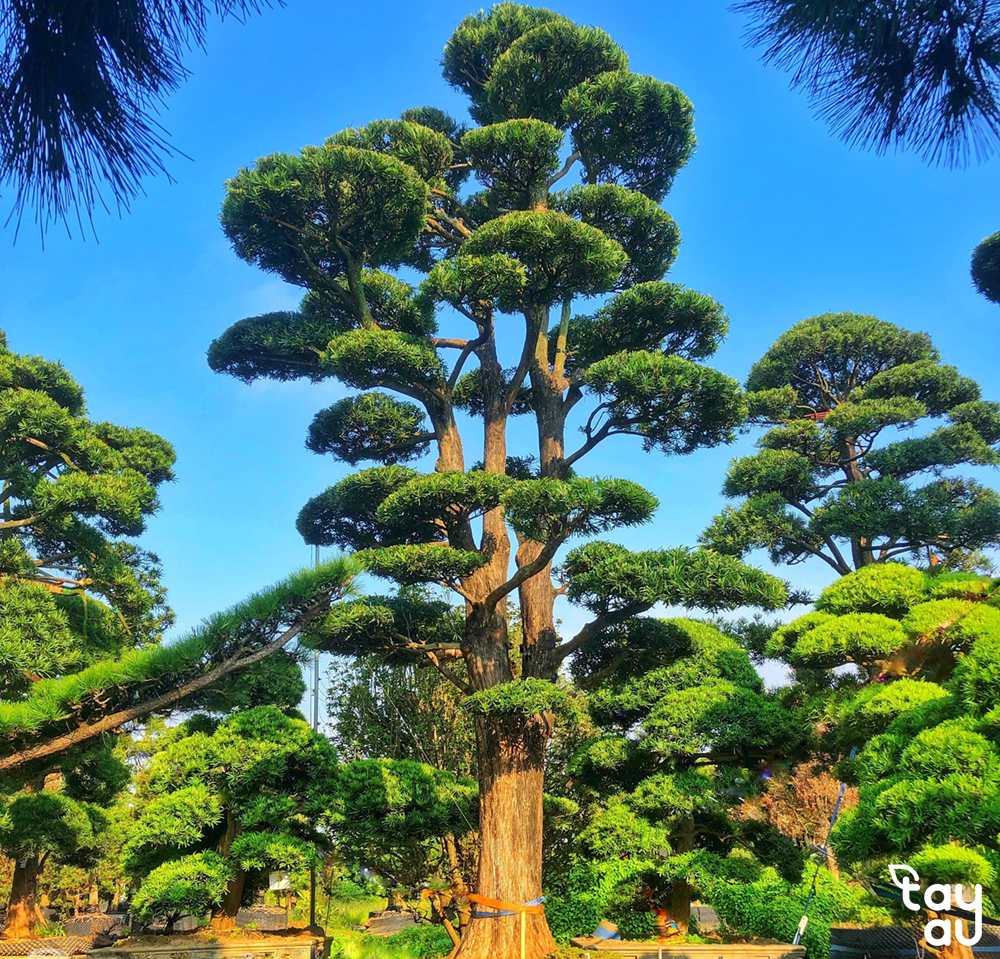
Pine trees are long-lived plants belonging to the pine family and originating from tropical regions. They have a tall trunk with small leaves growing around the stem from the base to the top. Pine trees come in two forms:
Ornamental Pine: Reaching heights from 1m – 3m, they are beautifully shaped and easily displayed indoors.
Natural Pine: Reaching heights from 10m – 30m, with woody stems, they are classified as architectural trees.
Pine trees are easy to care for, thriving in natural conditions and indoors, making them easy to maintain with relatively high vitality.
Types of Lucky Plants Suitable for Indoor Planting
Money Tree
Money trees originate from South America, primarily inhabiting swamps, with long, slender leaves that are glossy on one side. Upon introduction to Vietnam, they prefer cool environments with plenty of shade and stable temperatures. They can be grown in soil or aquatic environments, with intertwining stems and sparse foliage, typically with 5-7 leaves per branch.
Banyan Tree
The banyan tree originates from Indonesia and is very popular in Vietnam due to its ease of cultivation and robustness. Belonging to the vine family, its leaf shape resembles a fan and thrives both in soil and aquatic environments. Typically, banyan trees thrive in aquatic environments, serving both decorative and air-purifying purposes.
Golden Pothos
Golden pothos symbolizes wealth and prosperity, making it highly favored as an indoor ornamental plant. It ranges in height from 1m – 3m, with slender stems and glossy leaves. Easy to care for, it prefers shade and stable temperatures, making it suitable for indoor cultivation.
Tiger Tongue Plant
The tiger tongue plant, also known as tiger’s tail or snake plant, belongs to the mangrove family, reaching heights of 50cm – 60cm. It has a flat, juicy appearance that may appear sharp but is entirely safe due to its soft, thorn-free leaves. Tiger tongue plants are easy to care for, preferring shaded environments and requiring limited watering, as they can self-supply water for growth.
Lucky Bamboo
The money tree, also known as the tree of fortune, originates from Indonesia and Thailand. It belongs to the herbaceous type, with red leaves and distinctive green edges. The money tree is resilient and easy to care for. It prefers environments with stable temperatures and shaded areas, making it suitable for indoor planting.
Lucky Leaf Plant
The lucky leaf plant, also known as the velvet leaf plant, originates from tropical forests in South America. It has a petite size with green and red colors and various patterns on its leaves. It is easy to care for due to its small size, making it suitable for indoor decoration.
Italian Orchid Plant
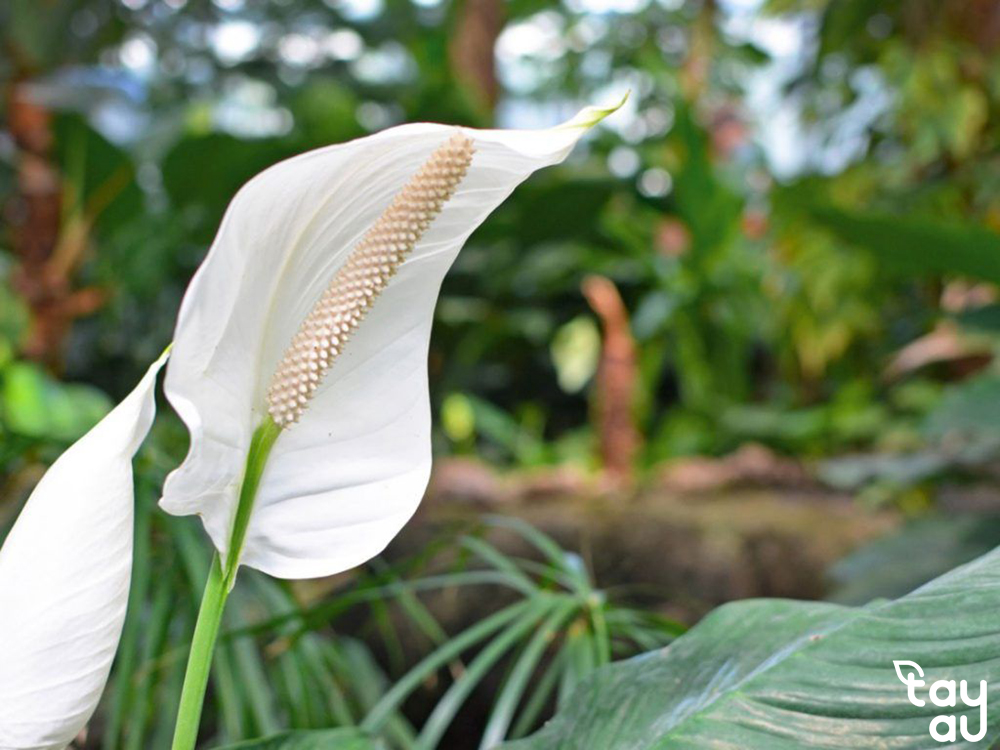
The Italian orchid plant, known by various names such as white crane flower or peace lily, originates from tropical regions in South America and some Southeast Asian countries. It has a tall stem ranging from 40cm to 100cm, large shiny leaves on one side. Its flowers are white with a single petal enveloping the stigma. The Italian orchid plant prefers moist environments and is easy to care for, requiring watering every 10 days to ensure its well-being.
Longevity Plant
The longevity plant belongs to the spiderwort family, resembling the banyan tree. It is herbaceous with large leaves, green with white edges. The plant stands approximately 15cm to 100cm tall and can be grown in both soil and aquatic environments. It prefers cool environments and requires watering 1-2 times per week to thrive.
Jade Plant
The jade plant, also known as the Valentine plant, belongs to the spiderwort family. It is herbaceous and originates from tropical regions in South America, Central America, and Brazil. The plant ranges from 20cm to 60cm in height, with large green leaves and white veins, creating a striking contrast. The jade plant can thrive in both soil and aquatic environments, is easy to care for, and has strong vitality.
Indoor Plants Beneficial for Health
Tradescantia Plant
The Tradescantia plant, also known as wandering Jew, inch plant, or spiderwort, belongs to the Tradescantia genus and originates from Western Asia and Europe.
The Tradescantia plant is herbaceous, with good vitality and a length ranging from 20cm to 30cm. Its green leaves resemble maple leaves. The plant has small flowers, clustered and fragrant.
The Tradescantia plant is easy to care for and requires minimal watering, about 1-2 times a week for optimal growth.
The Tradescantia plant is easy to care for and has good vitality, making it a promising candidate for indoor ornamental plants.
Aloe Vera Plant
The aloe vera plant, also known as aloe, belongs to the succulent family and originates from North Africa. It has small stems, with leaf shapes like blades, growing straight from the ground, and soft spines surrounding the leaves. Aloe vera plants are easy to care for, capable of self-watering, so homeowners don’t need to spend much effort caring for them.
Daisy Plant
The daisy plant originates from a wildflower, previously cultivated extensively in China and Japan. It is robust and easy to care for, hence it is grown year-round in Vietnam.
It is a small herbaceous plant with tall, fragile stems, saw-toothed leaves, and a thin layer of fuzzy hairs on the leaf surface. Due to its strong vitality, it is highly favored as an indoor ornamental plant. Moreover, the daisy plant brings health benefits such as reducing coughs, clearing nasal congestion, anti-inflammatory, and antibacterial properties…
Spiderwort Plant
The Spiderwort plant is a wild-growing plant, so it has strong vitality and requires minimal effort to care for. It has a small size, with leaves shaped like combs, and as a climbing plant, it provides a soft feeling, often chosen to hang on balconies indoors.
In addition to decorating your balcony, the Spiderwort plant also serves as an excellent smoke and dust filter.
Rhododendron Plant
The Rhododendron plant originates from temperate regions, and it is the national flower of Nepal. The Rhododendron plant ranges from 50cm to 200cm in height, with a rough bark. Its leaves are dark green, slender, and its beautiful light pink flowers bloom in clusters.
The Rhododendron plant is easy to care for and highly valued for its aesthetic appeal in Vietnam.
Caring for Indoor Plants
Placement of Plants Indoors
Depending on the characteristics of the plant, homeowners can choose suitable positions. For aquatic plants, they do not require excessive light and can be placed on tables or in areas with stable lighting. For plants that prefer sunlight, they can be placed near windows to ensure optimal growth.
Providing Adequate Water
Each plant has different water requirements, but indoor ornamental plants do not require much care. Most plants only need watering 2-3 times a week to ensure they grow well.
Ensuring Sufficient Light
Light is an essential factor for plants to thrive, and each plant requires different light intensity. Therefore, homeowners should understand the characteristics of each plant to place them in suitable locations, avoiding situations with insufficient or excessive light.
Nutrient-Rich Soil
For plants that cannot be grown in aquatic environments, the quality of the soil plays a crucial role. Homeowners must ensure that the soil nutrients are always sufficient for the plants to grow well.
Indoor plants contribute to improving your living environment. Tay Au Landscape introduces you to high-vitality, easy-care plants that not only decorate but also bring Feng Shui and health benefits to homeowners. Visit Tay Au Landscape to find suitable ornamental plants for your home!








