


Urban landscape plays a crucial role in everyone’s lives, influencing quality of life, shaping identity, and creating allure for cities. However, rapid economic development, population growth, and urbanization pose significant challenges to urban landscape conservation. The risk of losing cultural heritage values, environmental degradation, and the disappearance of green spaces are becoming increasingly prevalent. So what are the solutions to these challenges in urban landscape conservation? Let’s explore them with Tây Âu Landscape in this article.
Why Preserve Urban Landscapes?
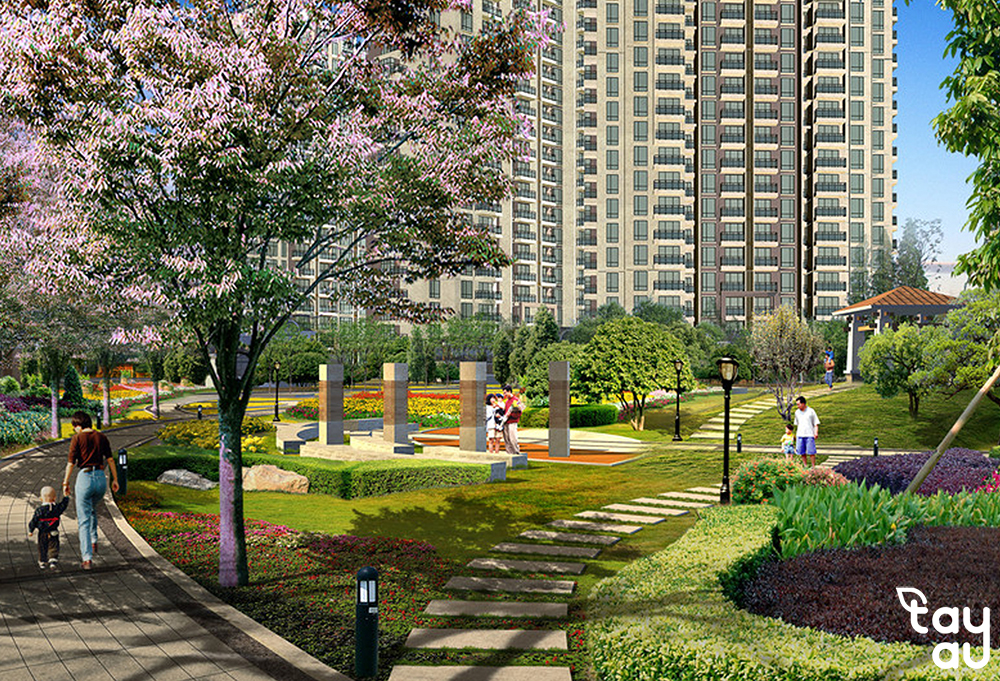
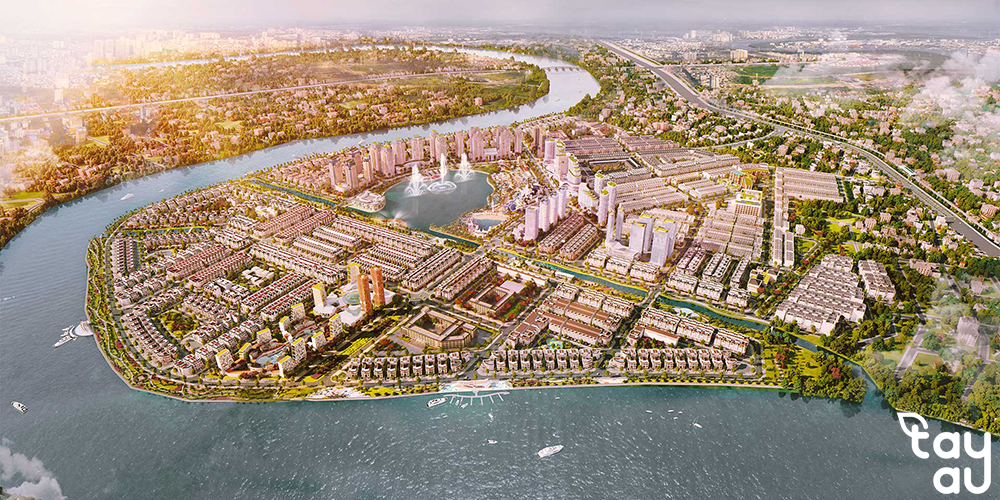
Urban landscape is a comprehensive picture composed of distinct elements, including architecture, green spaces, lakes, rivers, and streets… Each element contributes to embellishing the urban fabric, creating identity, and cultural and environmental values for the city.
Preserving urban landscapes plays a crucial role in maintaining cultural traditions, history, customs, and developing living spaces for communities in modern urban environments. Conservation brings many practical benefits, including:
Preserving Cultural and Natural Heritage
Urban landscapes preserve precious cultural, historical, and natural values. Therefore, conserving urban landscapes helps protect ancient architecture, historical sites, culture… These are evidence of human civilization development through different eras and invaluable assets that need to be preserved for future generations.
Creating a Good Business Environment and Promoting Cultural Tourism
A beautiful urban landscape with tight security and good civility creates a positive image for the city. Consequently, it attracts investment, boosts economic development, enhances people’s lives, and lays the foundation for sustainable city development.
Furthermore, preserving cultural and natural heritage makes urban landscapes attractive tourist destinations. Conserving urban landscapes contributes to promoting tourism development, creating jobs, and improving the lives of local residents.
Creating a Good Living Environment
Urban landscapes directly impact residents’ quality of life. Conservation helps maintain and develop green spaces such as parks, trees, lakes… providing fresh air, reducing stress, improving mental health, and creating a healthy living environment for residents.
Social Connection and Community Building
Urban landscapes with public spaces, squares, parks… are places for people to meet, interact, entertain, and build communities. Conserving urban landscapes helps create a cohesive environment, promotes social interaction, and builds a civilized, cohesive community.

Challenges in Urban Landscape Conservation
Urban landscape conservation faces many challenges amidst current urban development. Below are some key challenges:
Rapid Urban Expansion
Urbanization is occurring rapidly in many countries, especially in developing ones. Population growth and urban sprawl exert pressure on urban landscapes. Many areas of historical, cultural, and environmental value are being destroyed to make way for new constructions and infrastructure.
Economic Growth and Real Estate Development
Alongside urbanization, economic growth and real estate market development negatively impact urban landscapes. Large-scale construction projects and high-rise buildings often alter the cityscape and disrupt traditional landscape values.
Lack of Effective Planning and Management
Many cities lack comprehensive and long-term urban landscape planning. Management, conservation, and development of landscapes are often fragmented and inconsistent. This leads to arbitrary destruction and unsustainable changes to landscapes.
Community Awareness of Conservation Is Not High
Another major challenge is that community awareness of urban landscape conservation is not yet sufficiently high. Many people do not fully appreciate the value of urban landscapes and their role in protecting these values.
Lack of Financial Resources
Urban landscape conservation requires significant financial resources, from maintenance and restoration of heritage to investment in new landscape development. However, public budget resources and private sector involvement in conservation projects are often limited.
These challenges have posed difficulties in urban landscape conservation. To address these challenges, cities need effective solutions and policies.

Legal Challenges
One of the major challenges in urban landscape conservation is legal issues. Implementing landscape conservation projects often faces legal complications, including unclear legal regulations, conflicts between regulations, complex legal procedures, lack of legal support, and difficulties in law enforcement.
To overcome legal challenges in urban landscape conservation, close cooperation among government agencies, communities, and businesses is essential. Additionally, there needs to be changes and improvements in the legal system to effectively meet the needs of landscape conservation.
Modern Approaches in Urban Landscape Conservation
To address the challenges in urban landscape conservation, cities worldwide are implementing various modern and creative approaches. Below are some examples:
Urban Landscape Planning
Comprehensive and long-term urban landscape planning is a crucial measure. Planning needs to clearly define areas for conservation, spaces for new developments, and sustainable landscape management and development solutions.
Use of Modern Technology
Technologies such as GIS, spatial data, 3D modeling are widely used in managing, monitoring, and conserving urban landscapes. These tools provide cities with a comprehensive and detailed view of landscapes, enabling more effective management decisions.
Community Engagement
Urban landscape conservation cannot succeed without active community participation. Programs for awareness, education, and community consultation are being implemented to enhance the awareness and roles of citizens in landscape protection.
Sustainable Tourism Development
Many cities are developing tourism as an effective tool for landscape conservation. Responsible exploitation of landscape values through tourism activities contributes financial resources and enhances community awareness of conservation.
Public-Private Partnership
Collaboration between public and private sectors in urban landscape conservation projects is increasingly widespread. This model mobilizes additional financial and technical resources from the private sector, thereby improving the efficiency of conservation projects.
Reuse and Redevelopment of Landscapes
Instead of completely demolishing old areas, many cities are adopting solutions for reusing and redeveloping landscapes. This not only helps preserve historical and cultural values but also promotes sustainable urban development.

Potential Development of Urban Landscapes
Urban landscapes are not just a part of the urban picture but also a valuable resource for sustainable city development with potential development such as:
Creating Green Living Spaces
Conserving and developing urban landscapes will create green living spaces, improving environmental quality and health for local residents.
Enhancing Cultural and Touristic Values
Beautiful and sustainable urban landscapes will create cultural and touristic highlights for the city, attracting tourists and generating income for the local area.
Promoting Economic Development
A beautiful urban landscape will create favorable conditions for economic development, attracting investment and businesses to the city.
Creating Public Spaces
Properly conserving and developing urban landscapes will create spacious public spaces for socializing, entertainment, and relaxation for residents.
Creative Landscape Resources
The diverse and beautiful urban landscapes also serve as creative resources for artists and designers, helping to create unique works of art.
The development potential of urban landscapes is limitless if managed and conserved intelligently and sustainably. Investing in urban landscapes not only brings short-term benefits but also invests in the future of the city.
Vision and Strategy for Urban Landscape Conservation
To effectively carry out urban landscape conservation, clear vision and strategy are needed, including:
Defining the Vision
The vision for urban landscape conservation must be clear and unified, reflecting the desires and needs of the local community.
Strategic Planning
Long-term strategic planning is necessary for urban landscape conservation, defining goals, methods, and necessary resources for implementation.
Proposing Solutions
Based on the vision and strategic plan, specific solutions need to be proposed for urban landscape conservation, from planning to implementation of specific projects.
Promoting Collaboration
Promoting collaboration among stakeholders such as local government, community, businesses, and social organizations is crucial for effectively implementing urban landscape conservation strategies.
Evaluation and Adjustment
Regular evaluation of the outcomes of urban landscape conservation activities is essential for adjusting strategies and plans to ensure effectiveness and sustainability.
Urban landscape conservation is not just about short-term benefits but also about investing in the future of the city. It is not only the responsibility of local governments but also the commitment of the entire community. Thus, creating a better living environment for the community, attracting investment and economic development, protecting the environment and cultural heritage, and creating ideal and happy living spaces for everyone. Let’s unite in conserving urban landscapes to build increasingly prosperous and sustainable cities.








