


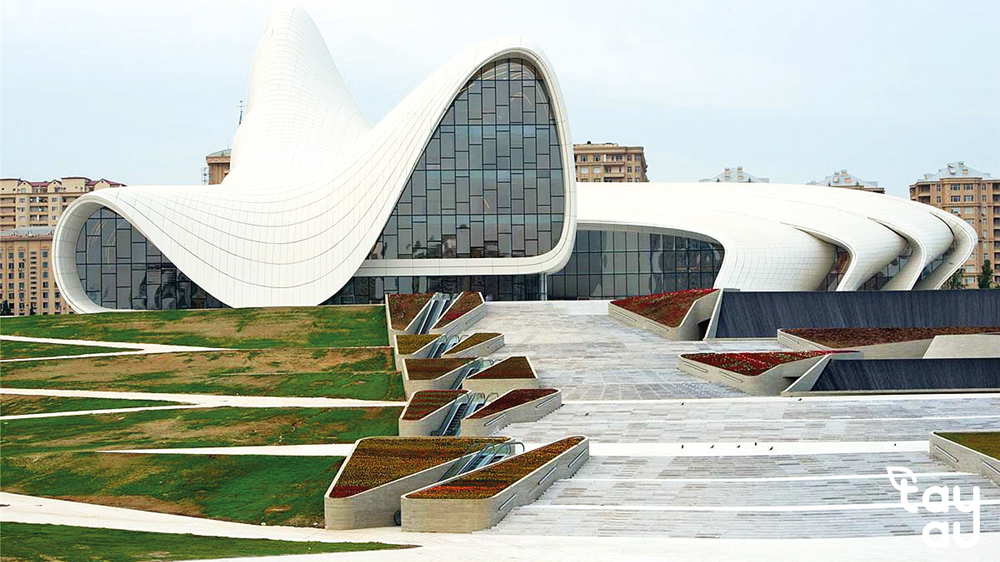
In today’s industrialized and urbanized age, designing construction projects demands a balance between robustness, safety, aesthetics, and a touch of breakthrough creativity. Therefore, architectural structural liberation is becoming a trend, bringing a breath of fresh air to the architectural industry, inspiring creativity and innovation. However, many people misunderstand it. In this article, let’s explore the concept, difficulties, challenges, and supporting technologies of architectural structural liberation!
What is Architectural Structural Liberation?
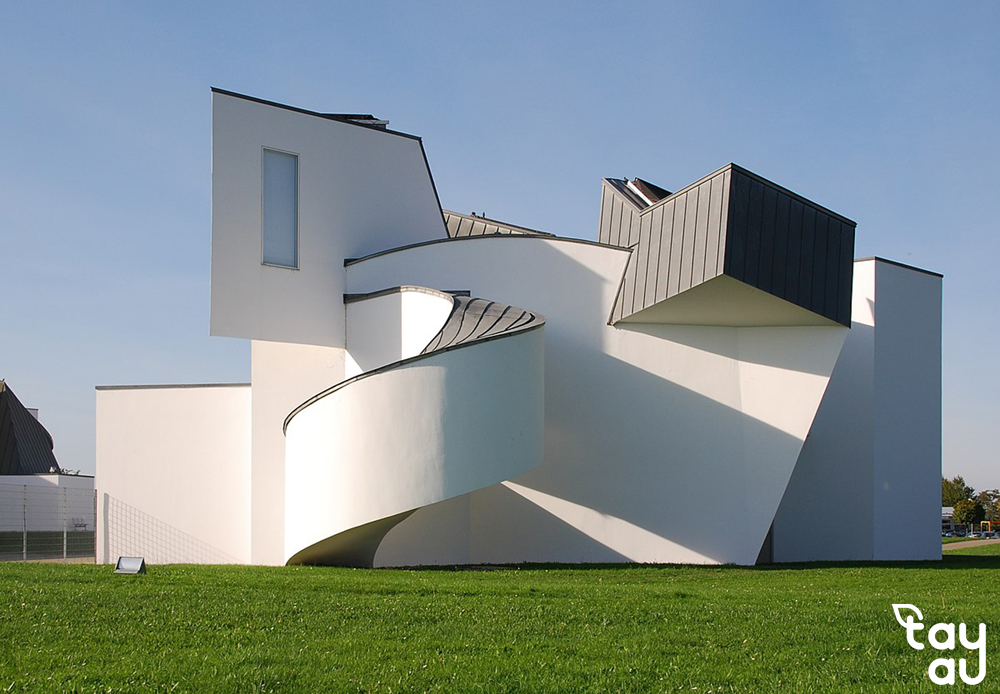
Architectural Structural Liberation (Deconstructivism) is a unique architectural movement that emerged in the late 20th century, marking a breakthrough in design thinking and techniques. This style is renowned for breaking all rules and traditional principles of structure, resulting in bold and impressive architectural works.
Key features of Architectural Structural Liberation:
- Asymmetry and non-linearity: Buildings in this style often have angular, twisted shapes, creating a sense of instability and disorder. This reflects a strong resistance to rigid architectural rules, emphasizing freedom and creativity in design.
- Breaking the structure: Unlike traditional architecture that focuses on balance and harmony, Architectural Structural Liberation often adjusts and changes the structural form into unpredictable geometric shapes. This creates “strange” yet captivating structures that attract viewers’ attention.
- Diverse materials: This style utilizes various modern materials such as metal, reinforced glass, and concrete, combined with advanced construction techniques, creating unique architectural forms and structures.
- Open space and connectivity: Instead of rigid separating walls, Architectural Structural Liberation often creates open spaces and connections between different functional areas of a building, promoting interaction and connectivity.
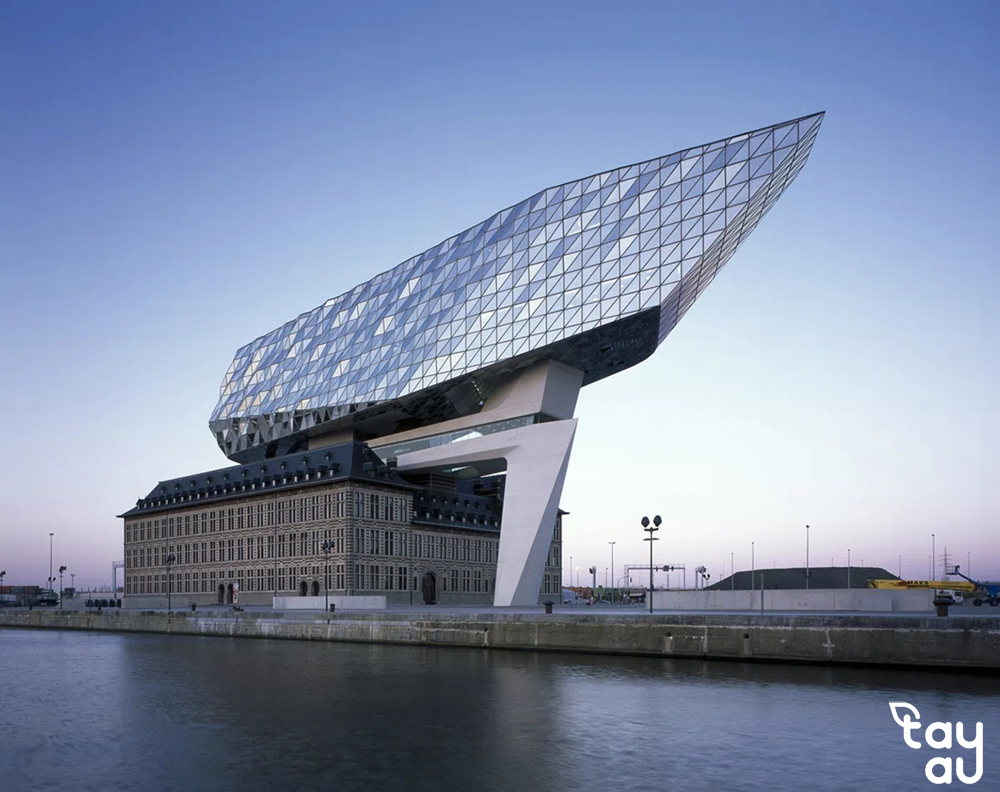
Some notable examples of Architectural Structural Liberation
Below are some iconic examples representing the creative spirit and innovation of this style:
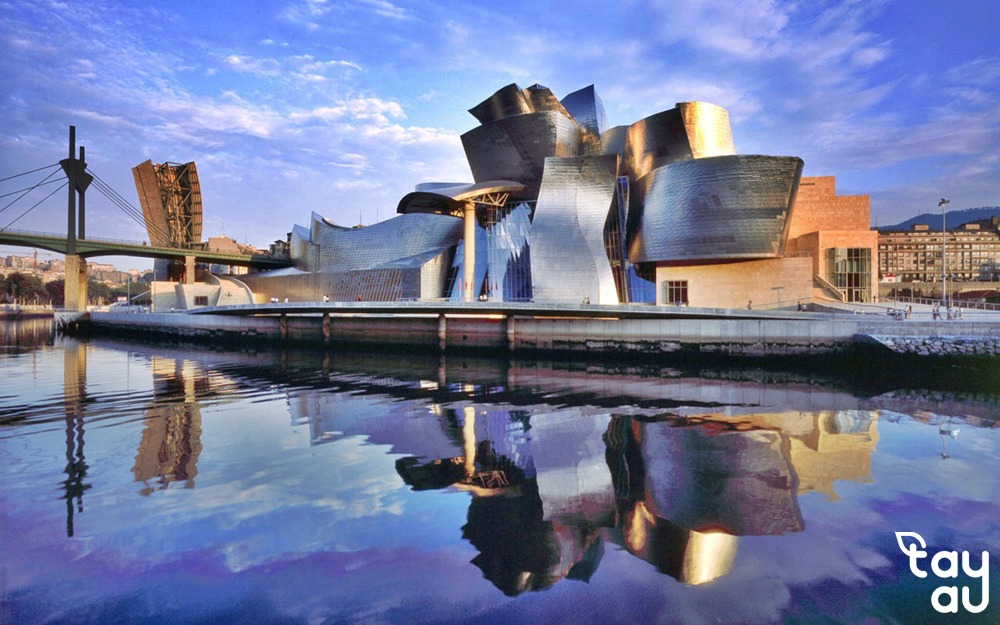
Guggenheim Museum Bilbao (Spain):
- Architect: Frank Gehry
- Completion year: 1997
- Highlight: Curving surfaces, unique use of steel and glass.
The Guggenheim Museum Bilbao is one of the most iconic examples of Architectural Structural Liberation. Frank Gehry’s work impresses with its undulating forms, breaking all traditional design rules. The shiny metal surfaces combined with large glass panels create a unique visual effect, making the museum a prominent architectural landmark along the Nervión River.
BMW Welt (Germany):
- Architect: Coop Himmelb(l)au
- Completion year: 2007
- Highlight: Asymmetrical shapes, complex curves.
BMW Welt is a testament to the limitless creativity of Architectural Structural Liberation. Coop Himmelb(l)au’s design uses intertwining, curving volumes, combining metal and glass materials to create a unique and impressive automotive exhibition space.

Mainz Synagogue (Germany):
- Architect: Zaha Hadid
- Completion year: 2010
- Highlight: Unpredictable curves and angles.
The Mainz Synagogue is a religious structure that strongly embodies Deconstructivist architecture. Designed by Zaha Hadid, it breaks all traditional rules of synagogue architecture, using asymmetrical curves and angles to create a space that is both sacred and innovative.
Walt Disney Concert Hall (Los Angeles, USA):
- Architect: Frank Gehry
- Year completed: 2003
- Highlight: Curved metal surface, unique shape.
The Walt Disney Concert Hall is a cultural icon of Los Angeles and a masterpiece of Deconstructivist architecture. Frank Gehry’s work impresses with its gigantic wavy form, covered in stainless steel panels, creating an imposing and magnificent presence.
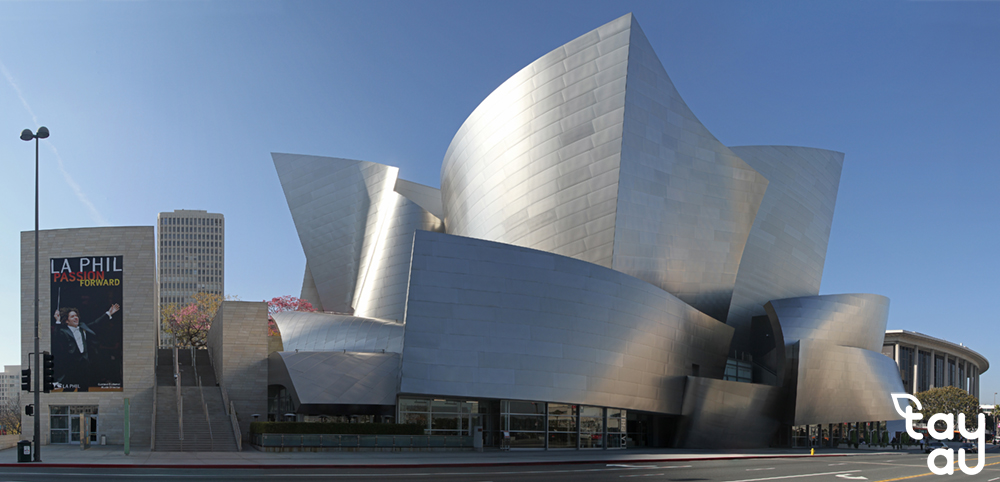
Deconstructivist architecture is not just a style but also a statement of creative freedom, daring to break all rules. These architectural masterpieces are evidence of the power of breakthrough thinking and the ability to turn bold ideas into reality, inspiring future generations of architects.
Challenges and Difficulties in Deconstructivist Architecture
Difficulty in understanding and analysis: Deconstructivist architecture often uses complex, nonlinear geometric shapes, breaking all traditional design rules. This makes understanding and analyzing the structure and intentions of architects more challenging for both professionals and ordinary viewers. Accessing and evaluating these structures requires open-mindedness, rich imagination, and deep architectural knowledge.
Limited execution capabilities: Turning bold ideas in Deconstructivist architecture into reality requires high technical proficiency and absolute precision in the design and construction process. Complex shapes, fractured structures, and new materials demand experienced teams of engineers and contractors capable of addressing hidden technical challenges.
Interaction with the environment: The uniqueness and avant-garde nature of Deconstructivist architecture can sometimes lead to debates about its compatibility with the surrounding environment. Whether these structures blend harmoniously or create urban landmarks depends on factors such as location, local culture, and community aesthetic perspectives.
High costs and maintenance challenges: Due to the complexity in design and construction, Deconstructivist architecture often requires larger financial resources compared to traditional buildings. Maintenance and repairs can also be challenging due to intricate structures and special materials, leading to higher costs.

Technology and Software Support for Deconstructivist Architecture
The remarkable advancement of technology and software has revolutionized Deconstructivist architecture, greatly supporting architects and structural engineers in optimizing the design and structural calculations. Below are some advanced tools that play a crucial role in this field:
SketchUp
- Platform: 3D design specifically for architecture
- Advantages: Easy to use, intuitive 3D graphics modeling, can install suitable extensions based on needs.
AutoCAD
- History: Established in 1982, a “monument” in design software
- Applications: Supports various activities related to architectural and commercial construction
- Key features: Roombook (material calculation), Renovation Mode (finishing information), Rendering (creating realistic images).
Revit
- Functionality: Professional 3D graphic design software for architects
- Strengths: Supports teamwork, tracks the project lifecycle from design to demolition
- Benefits: Risk control, ensuring safety for actual construction.
Midas Civil
- Type: Integrated software supporting structural design
- Features: Structural analysis, combining nonlinear time history analysis, construction time, and static earthquake analysis.
Lumion
- Power: World’s fastest 3D rendering software for architects
- Capabilities: Visualizes CAD models in video or images with realistic and artistic environments.
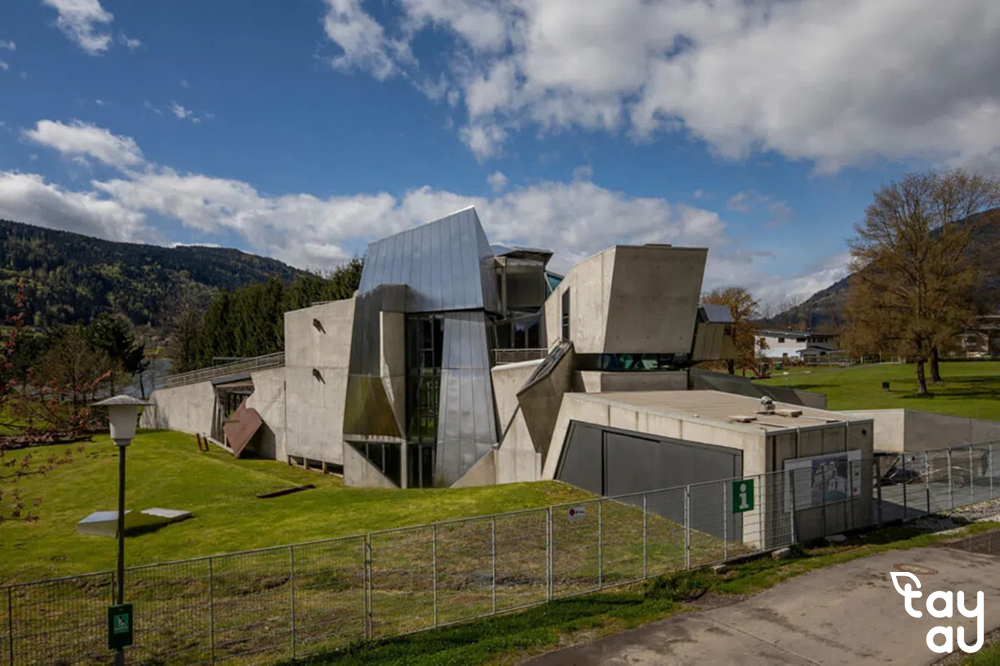
Above are some insights into Deconstructivist architecture. Applying Deconstructivist architecture not only creates beautiful structures but also meets usage needs and environmental protection requirements. However, to further advance this field, enhancing technical capabilities and compliance with regulations and standards are crucial. Hopefully, in the future, Deconstructivist architecture will continue to develop vigorously and spread worldwide.








