


Architectural culture is an integral part of the overall culture of a nation or a people. It reflects the values, traditions, history, and social context of the people. Architectural culture is not only about the built structures but also the expression of creativity, intellect, and skills of architects, artisans, and local people.

Some notable characteristics of architectural culture
Reflection of geographical, climatic, and natural contexts
The architecture of a region is often built based on the local geographical, climatic, and natural resource conditions. For example, architecture in tropical climates tends to have designs that promote ventilation, optimize natural light usage, and facilitate airflow. On the other hand, structures in cold climates are designed to be sturdy with good insulation to protect people from harsh weather conditions.
Expression of identity and cultural values
Architecture serves not only as a tool to meet basic housing needs but also as a means to express the identity, traditions, and cultural values of a people. Architectural structures often bear the symbols, motifs, and distinctive styles of the local culture.
Integration of tradition and modernity
Architectural culture involves not only the inheritance and preservation of traditional values but also the harmonization of ancient and modern elements. Architects often seek to blend traditional construction techniques with modern technologies to create unique structures that preserve cultural identity while meeting the demands of modern life.
Diversity and richness
Architectural culture is highly diverse and rich, reflecting differences in geography, history, religion, tradition, and influences from other cultures. From traditional garden houses to modern skyscrapers, from ancient venerable temples to contemporary cultural complexes – all are unique expressions of architectural culture.
Combination of function and aesthetics
Architectural culture not only fulfills the functional requirements of a structure but also emphasizes aesthetic value. Architects strive to create structures that are not only functional but also beautiful, harmonious, and unique, reflecting the cultural essence of a people.
In summary, architectural culture is one of the most representative and prominent expressions of culture, reflecting the creativity, intellect, and identity of a nation or people. Understanding the characteristics of architectural culture helps us gain a deeper insight into the culture and identity of each region, each people.
The development of architectural culture over time
Architectural culture is not a static phenomenon but is constantly evolving and changing over time. The development of architectural culture reflects the changes in society, technology, and the influences of other cultures.
Ancient Period
During ancient times, architectural structures were primarily built using simple materials such as stone, wood, clay, etc. Architecture during this period reflected the basic needs of humans such as housing, religious temples, and defensive structures. These architectural works often exhibited distinct cultural characteristics, such as religious symbols, motifs, or local architectural features.
Medieval Period
In the medieval period, architectural culture experienced significant development, especially in religious, political, and economic centers. Architectural works during this period reflected the increasing power and influence of religious and political organizations. Architectural styles such as Gothic, Romanesque, Byzantine emerged and became widespread.
Modern Period
From the 19th century to the present, architectural culture has undergone strong development, influenced by the advancement of science, technology, and global cultural exchange. Modern architectural styles such as Bauhaus, Modernism, Postmodernism emerged and had a significant impact on world architecture. Additionally, efforts to preserve and promote traditional values in architecture have also been widespread.
Modern Period in Vietnam
In Vietnam, architectural culture has also undergone diverse development through different historical periods. From traditional garden houses to architectural structures influenced by French, Chinese, Japanese styles, and modern architectural styles – all reflect the cultural identity of Vietnam. In the modern period, Vietnamese architecture has been strongly influenced by global architectural trends while still maintaining traditional beauty.
Throughout history, architectural culture has always undergone development and change, reflecting the progress of society and cultural exchange. Understanding this development process helps us have a comprehensive and profound understanding of the architectural cultural identity of a nation.
Influence of Local Culture on Architecture
Local culture plays a crucial role in shaping and developing the architectural culture of a region or a country. The influence of local culture on architecture is evident in many aspects:
Influence of Geographic Conditions and Climate
The geographic conditions and climate of a region greatly influence local architecture. For example, in humid tropical climates, architectural structures are often designed to be airy, using local materials such as wood, bamboo, coconut leaves to optimize heat dissipation and increase ventilation. In contrast, in cold climates, architecture is built sturdy, using materials with good insulation such as stone, bricks, to protect people from harsh weather conditions.
Influence of Beliefs, Religion, and Philosophy
Beliefs, religion, and philosophy of a region are also important factors influencing architecture. Religious structures such as temples, shrines, churches often exhibit symbols, motifs, and architectural styles reflecting the religious values of the local people. Philosophies of life, customs, and traditions are also reflected in residential architecture and villages.
Influence of History and Tradition
The history and cultural traditions of a region deeply influence local architecture. Many traditional architectural works are built and passed down through centuries, becoming cultural icons of that region. Traditional architectural styles are often inherited and developed in modern constructions.
Influence of Arts and Crafts
Local arts and crafts are also significant sources of inspiration for architecture. Patterns, decorations, and motifs on architectural structures often reflect the traditional artistic values of the region.
Influence of Lifestyle and Livelihood
The lifestyle and livelihood of local people also influence architecture. For example, in rural areas, architectural structures are often closely associated with agricultural cultivation, livestock farming, and storage of agricultural products. In contrast, in urban centers, architecture reflects the needs of modern life.
Thus, local culture plays an important role in shaping and developing the unique architectural culture of each region, each country. The influence of local culture is evident in various aspects, creating distinctive features for the architecture of that land.
Role of Architectural Culture in Modern Society
In modern society, architectural culture plays an extremely important role, manifested in the following aspects:
Preservation and Promotion of Cultural Identity
Architectural culture is one of the important means to preserve and promote the cultural identity of a nation or ethnic group. Through traditional architectural works, the values, traditions, and philosophies of local culture are preserved and transmitted to future generations.
Promotion of Socio-Economic Development
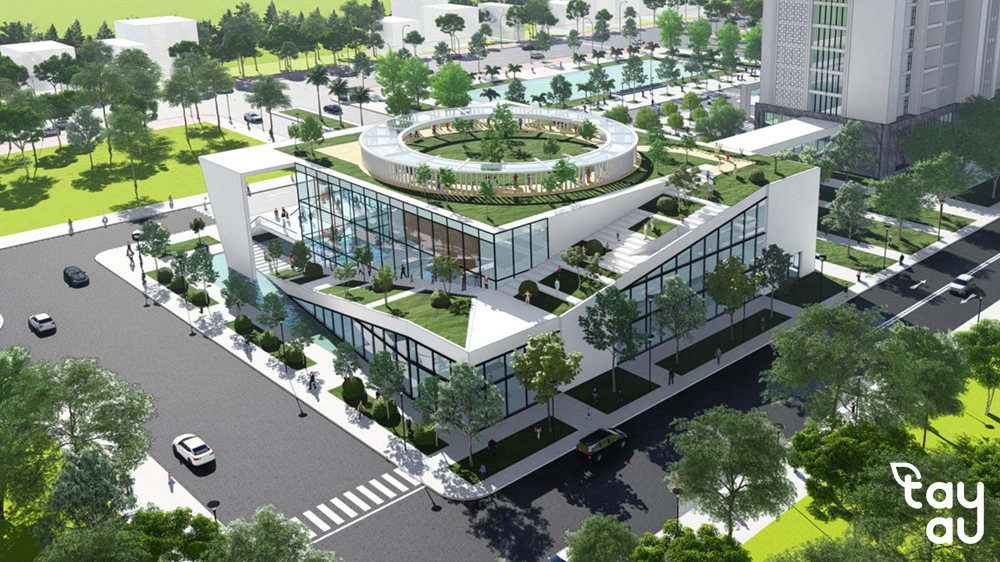
Architectural culture is not only a cultural symbol but also plays a crucial role in promoting socio-economic development. Building beautiful, impressive architectural works not only creates focal points for urban landscapes but also attracts tourists, boosts the tourism industry, and contributes to local economic development.
Creating Ideal Living and Working Environments
Architecture not only involves constructing buildings but also creates ideal living and working environments for people. Smartly designed architectural structures not only optimize space utilization but also provide comfort and creativity for users.
Expression of Style and Cultural Identity
Architectural culture is also a way for individuals and organizations to express their style and cultural identity. Choosing architectural styles, decorations, living spaces is not only a design task but also a way to express oneself, honor cultural values.
Community Cohesion
Beautiful and impressive architectural works often become meeting points for the community. Building unique architectural works with strong cultural characteristics not only creates collective pride but also brings communities closer together.
With such important roles, architectural culture increasingly asserts its position and importance in modern society. Understanding and correctly assessing this role helps us have a more comprehensive view of the significance and value of architectural culture in everyday life.
Popular Architectural Styles in Culture
There are many popular architectural styles applied and developed in the culture of each country around the world. Each architectural style brings its own characteristics, reflecting the cultural identity and spirit of the times. Below are some popular architectural styles:
French – Baroque and Rococo
French architectural style is often known through two main forms: Baroque and Rococo. Baroque is often considered as a lavish, grand style with soft curves and intricate details. In contrast, Rococo brings about gentleness and femininity with elaborate ornamentation and decorations.

Italian – Gothic and Renaissance
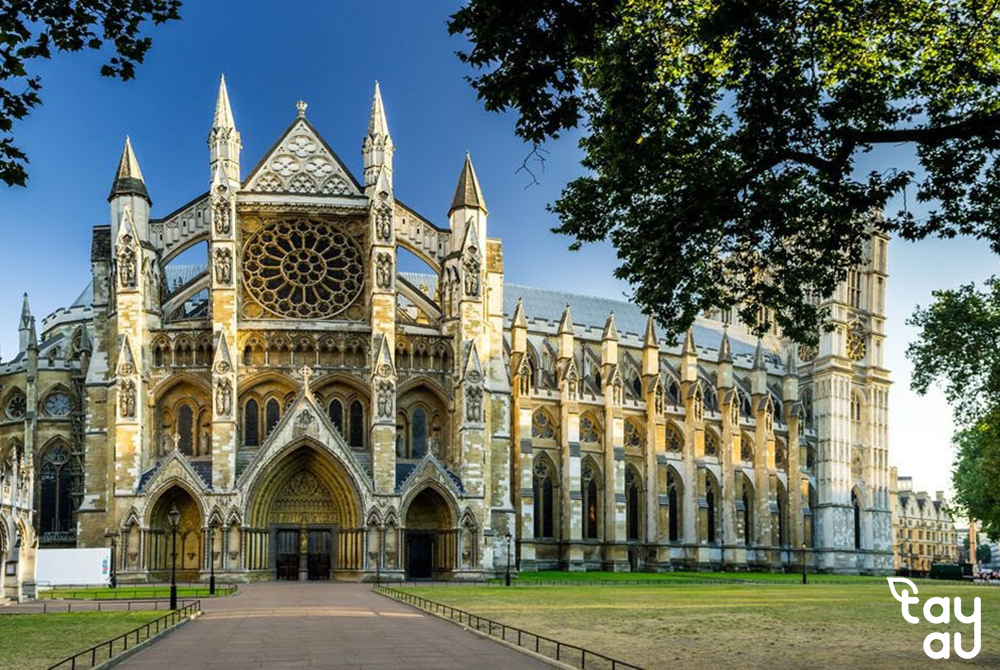
Italian architectural style is often divided into two main periods: Gothic and Renaissance. Gothic is known for its towering cathedrals, stone columns, and pointed arch windows. Meanwhile, Renaissance brings about classicism and refinement with a harmonious combination of architectural elements and art.
Japan – Traditional and Modern Architecture
Japanese architecture is often known through two main styles: traditional and modern architecture. Traditional architecture brings about simplicity, closeness to nature, using a lot of wood and Washi paper. Meanwhile, modern architecture brings about modernity, convenience with a combination of technology and traditional culture.

China – Ancient and Modern Architecture
Chinese architecture also has two main styles: traditional and modern architecture. Traditional architecture often brings about solemnity, grandeur with curved tiled roofs, stone columns, traditional patterns. Meanwhile, modern architecture often brings about modernity, creativity with a combination of tradition and modernity.

Modern – Contemporary Architectural Style
In addition to traditional architectural styles, modernism is also a trend adopted by many countries. Contemporary architectural style often brings about simplicity, minimalism, using a lot of glass and steel, creating impressive, modern structures.

The above popular architectural styles not only demonstrate the diversity of cultural consciousness but also reflect the progress and creativity in the architecture industry of each country. The combination of tradition and modernity in architecture has created unique, diverse, and vibrant artistic works.
These are highlights of architectural culture, from its development through periods, the influence of local culture, its role in modern society to popular architectural styles. Architectural culture is not only physical structures but also a symbol of the spirit, progressive will of people in modern society. From there, unique, beautiful architectural works are created, reflecting the distinctive cultural identity of each country, each nation.








